
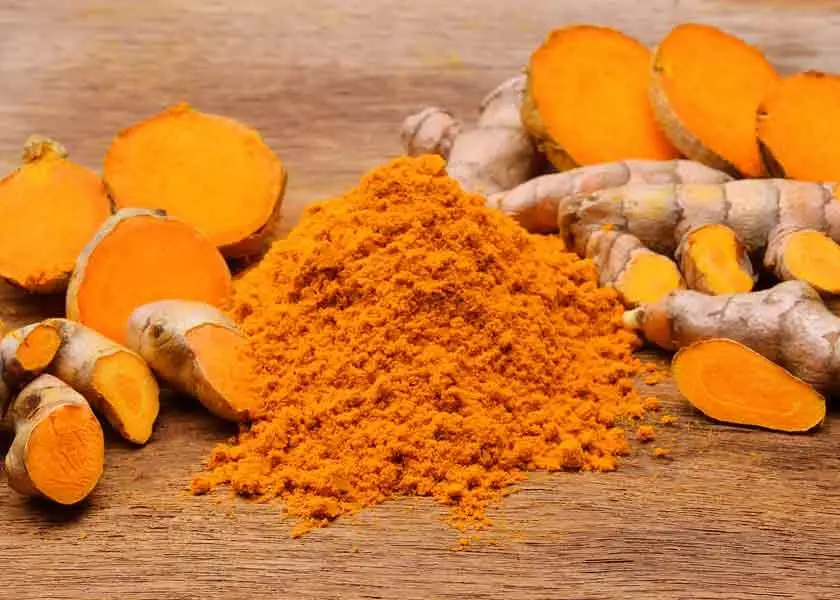
Herbs and Spice are not always nice. Don’t overdo it!
Here we are using cinnamon, turmeric, and ginger as popular examples.
Cinnamon, turmeric, and ginger are well-known for their health perks, but they’re also packed with powerful bioactive compounds that, in high doses, can act like medicines. When combined with prescription drugs, these compounds can in some cases either dangerously boost the medication’s effects or weaken them.
Here’s a breakdown of how these spices interact with common treatments.
1. Cinnamon: The Coumarin Factor
-
Cinnamon comes in two main types: Ceylon, known as “true” cinnamon, and Cassia, the more common variety you’ll find in most grocery stores. The main issue with Cassia is its high level of coumarin.
-
Liver Toxicity: For people who are sensitive, consuming too much coumarin can cause liver inflammation and damage.
-
Blood Thinning: Coumarin is a compound used to make certain anticoagulant drugs, and having too much of it while taking blood thinners like Warfarin can greatly raise the risk of dangerous bleeding.
-
Diabetes Interaction: Cinnamon can boost insulin sensitivity, which is usually a good thing. However, taking it in supplement form along with medications like Metformin or insulin might cause hypoglycemia, or dangerously low blood sugar.
2. Turmeric (Curcumin): The Bioavailability Challenge
Curcumin is the main active compound in turmeric, but it’s not easily absorbed by the body. That’s why people often take high-dose supplements or pair it with black pepper, which contains piperine, to increase absorption by as much as 2,000%.
-
Anticoagulant Effects: Curcumin naturally helps prevent platelets from clumping together. When combined with medications like Aspirin, Clopidogrel (Plavix), or Enoxaparin, it can significantly slow down blood clotting.
-
Cancer Treatment Interference: Research shows that curcumin might reduce the effectiveness of certain chemotherapy drugs, like cyclophosphamide or doxorubicin, in some types of breast cancer. On the flip side, it can sometimes boost the effects of others, which is why having an oncologist’s guidance is so important.
-
Gallbladder & Kidneys: Taking high doses can trigger gallbladder contractions, which can be an issue for people with gallstones, and can also raise urinary oxalate levels, potentially leading to kidney stones.
3. Ginger: The Metabolic Accelerator
Ginger has gingerols and shogaols that influence various metabolic processes.
-
Blood Pressure: Ginger can work as a natural calcium channel blocker, and when combined with blood pressure medications like Nifedipine or Amlodipine, it might lower blood pressure too much, potentially causing dizziness or fainting.
-
NSAID Interaction: Ginger can block COX-1 and COX-2 enzymes, similar to how Ibuprofen or Naproxen work. Taking large amounts of ginger along with these painkillers may raise the risk of stomach irritation and gastrointestinal bleeding.
Summary of Key Medication Interactions
| Spice | Medication Group | Potential Risk |
| Cinnamon | Diabetes (Insulin) | Hypoglycemia (Low blood sugar) |
| Cinnamon | Liver Medications | Increased risk of hepatotoxicity |
| Turmeric | Blood Thinners | Increased bruising/bleeding risk |
| Turmeric | Chemotherapy | Potential reduction in drug efficacy |
| Ginger | Antihypertensives | Hypotension (Low blood pressure) |
| Ginger | NSAIDs (Painkillers) | Gastrointestinal distress/bleeding |
Culinary vs. Supplemental Doses
It’s important to tell the difference between using something in cooking and taking it as a supplement.
-
Culinary Use: Using these spices to add flavor to food is generally safe for most people. A teaspoon’s worth usually contains too little of the active compound to cause any noticeable interaction.
-
Supplemental Use: Capsules, tinctures, and concentrated powders deliver “pharmacological doses,” which is when the risk of interference can really start to matter.
-
The “Third Party” Factor: Many supplements aren’t strictly regulated for purity, and some turmeric powders have been found to contain lead or artificial colorants, adding extra risk for people with existing health issues.
General Rule: If you’re scheduled for surgery, many surgeons suggest stopping high doses of ginger, turmeric, and cinnamon supplements about two weeks beforehand to help avoid excessive bleeding.
Figuring out a “safe” amount of spices can be tricky since health agencies differentiate between everyday culinary use, like sprinkling them on oatmeal, and taking them as concentrated supplements in capsules. In the U.S., the FDA generally considers these spices GRAS (Generally Recognized as Safe), while in Europe, the EFSA sets more precise toxicological limits for their active compounds.
Tip for Identifying the type of Cinnamon
Since grocery store labels don’t always specify the type, you can tell the difference by looking at the sticks (quills):
-
Cassia: Thick, hard, dark-brown bark in a single scroll. (Higher Coumarin).
-
Ceylon: Thin, brittle, tan-colored layers like a cigar. (Safe for high-volume use).
Would you like me to find out which specific medications are most sensitive to these limits, or perhaps some low-coumarin cinnamon brands?
While many common spices are harmless in culinary amounts, certain medications are “highly sensitive” because these spices can either mimic the drug’s effect (leading to an overdose-like state) or interfere with the liver enzymes needed to process the drug.
Medications Most Sensitive to Spice Limits
The highest risks occur when a spice’s active compound—like coumarin in cinnamon or curcumin in turmeric—directly targets the same physiological pathway as a prescription drug.
-
Blood Thinners (Anticoagulants/Antiplatelets): This is the most critical category. Spices like cinnamon, turmeric, and ginger all have mild “thinning” properties. When combined with medications like Warfarin (Coumadin), Eliquis, Xarelto, Plavix, or even daily Aspirin, they can significantly increase the risk of internal bleeding or bruising.
-
Tamoxifen (Breast Cancer Therapy): Recent clinical evidence (2025-2026) suggests that high-dose turmeric/curcumin can interfere with how the liver converts Tamoxifen into its active form (endoxifen), potentially making the cancer treatment less effective.
-
Diabetes Medications: Cinnamon and ginger are known to lower blood sugar. If you are taking Insulin, Metformin, or Glipizide, adding therapeutic amounts of these spices can cause “stacking,” leading to a dangerous drop in blood sugar (hypoglycemia).
-
Blood Pressure Meds (Calcium Channel Blockers): Drugs like Amlodipine and Nifedipine are processed by the same liver enzymes (CYP3A4) that high doses of ginger and cassia cinnamon can inhibit. This can cause drug levels to rise unexpectedly in your bloodstream.
-
Liver-Taxing Drugs: Because the coumarin in common cinnamon can stress the liver, it is best to limit it if you are on Statins (for cholesterol) or take frequent Acetaminophen (Tylenol).
Recommended Low-Coumarin Cinnamon Brands
To reduce coumarin intake, choose Ceylon cinnamon (often labeled as “True Cinnamon” or Cinnamomum verum). Common varieties like “Cassia” or “Saigon” cinnamon can have up to 250 times more coumarin than Ceylon. According to 2025-2026 consumer safety reports and purity tests, these brands rank highly for low coumarin content and freedom from heavy metal contamination:
🧄 The Garlic Safety & Sourcing Sheet
1. The Active Powerhouse: Allicin
Garlic’s benefits come primarily from allicin, which is created only when the garlic is crushed or chopped.
-
The “Wait” Rule says that for the best health benefits, crush garlic and let it rest for 10 minutes before cooking. This gives the enzymes time to fully activate the allicin before heat can destroy it.
2. Critical Drug Interactions
BBecause garlic acts as a natural vasodilator (opening blood vessels) and a mild anticoagulant, it can be particularly sensitive when combined with:
-
Blood Thinners (Warfarin, Eliquis, Heparin): Like turmeric and ginger, taking high doses of garlic—especially aged garlic supplements—can amplify the effects of anticoagulants, raising the risk of internal bleeding.
-
HIV/AIDS Medications (Protease Inhibitors): This is a major interaction, as garlic can speed up the liver’s processing of drugs like Saquinavir, reducing their levels in the blood and making the treatment less effective.
-
Blood Pressure Medications: Garlic can naturally help lower blood pressure, but if you’re already taking ACE inhibitors or beta-blockers, consuming too much could cause hypotension, leading to dizziness or fainting.
-
Contraceptives: There is some evidence that high-dose garlic supplements can increase the breakdown of estrogen, potentially reducing the reliability of low-dose birth control pills.
3. Sourcing: Organic vs. Conventional
Garlic is one of the most “traveled” crops in the world, and sourcing matters for both flavor and safety.
-
The “Bleached” Issue: Much of the conventional white garlic sold is imported and often bleached with chlorine to give it a “clean” appearance for export. It’s also commonly treated with growth inhibitors, such as maleic hydrazide, to keep it from sprouting during long-distance shipping.
-
The “Hairy” Root Rule: When buying fresh garlic, look at the bottom.
-
Imported/Mass-Produced: Often have the roots completely scooped out (to satisfy soil-import regulations).
-
Local/Organic: Usually still have the “hairy” root base intact.
-
-
Organic Farming: Supporting organic growers here is crucial, as garlic is a natural “bio-accumulator” that absorbs minerals—and, if present, heavy metals—straight from the soil.
4. Safe Limits & Culinary Use
-
Culinary Safe Limit: 2 to 5 grams About 1–2 cloves of fresh raw garlic per day is generally considered the upper limit for culinary use without crossing into pharmacological territory.
-
Supplemental Limit: When taking Aged Garlic Extract (AGE), the typical clinical dose ranges from 600 mg to 1,200 mg.
-
Surgery Warning: Just like with the “Big Three” spices talked about earlier, it’s best to stop taking high doses of garlic at least 7 to 10 days before any scheduled surgery to reduce risk of bleeding.
Summary Checklist
Here’s a one-page interaction checklist.
Cooking amounts are generally less worrisome than capsules, extracts, daily “wellness shots,” or multiple teaspoons a day. The bigger concerns come with supplement-style use, especially for turmeric/curcumin and ginger, as well as cassia cinnamon when consumed heavily or over a long period.
1) If you take a blood thinner or antiplatelet
Examples: warfarin, apixaban, rivaroxaban, dabigatran, edoxaban, aspirin, clopidogrel
Most important:
- Turmeric or curcumin: don’t start supplements unless your doctor approves, as they can raise bleeding risk.
- Ginger: use cautiously and generally avoid without professional advice, since bleeding risk may rise, especially if you take blood thinners or NSAIDs.
- Cinnamon: go easy on cassia cinnamon supplements or heavy daily use, as coumarin can affect the liver, with some reports of bleeding risk and possible metabolism interactions.
Safer default: food use is usually acceptable; do not add capsules/extracts on top of anticoagulants without checking first.
2) If you take painkillers
Examples: aspirin, ibuprofen, naproxen, diclofenac, acetaminophen/paracetamol
Watch most for:
- Turmeric with aspirin or ibuprofen can raise bleeding concerns, and MSK advises against combining turmeric supplements with aspirin, ibuprofen, acetaminophen, or indomethacin since turmeric may change how they work.
- Ginger with NSAIDs can also increase bleeding risk. If you’re on a DOAC like rivaroxaban or edoxaban, the NHS already warns against using aspirin or ibuprofen without a doctor’s approval due to higher bleeding risk, so adding turmeric or ginger supplements is a risky mix to try on your own.
3) If you take diabetes medicine
Examples: insulin, gliclazide, glimepiride, glyburide/glibenclamide, pioglitazone, metformin
Main concern: low blood sugar
- Turmeric/curcumin: can lower glucose and may add to diabetes medicines, increasing hypoglycaemia risk.
- Ginger supplements: may also cause larger glucose reductions.
- Cinnamon: some people use it for glucose control, but cassia products can add liver concerns and MSK notes preclinical evidence that cinnamon may increase pioglitazone exposure.
Practical move: If you’re taking diabetes medication, don’t start any of these as a daily supplement without checking with your prescriber or pharmacist, and keep a closer eye on your glucose if you’ve already started one.
4) If you take cancer treatment
Examples: chemotherapy, targeted therapy, immunotherapy
Strongest warning here is turmeric/curcumin
- Welsh medicines guidance says taking turmeric/curcumin during anti-cancer therapy is not recommended because it may alter treatment effects.
- MSK says turmeric may interact with chemotherapy drugs including cyclophosphamide and doxorubicin.
- Ginger is commonly used for nausea, but supplement use still needs checking because MSK flags interactions with blood thinners, NSAIDs, glucose-lowering drugs, and certain specialist medicines such as tacrolimus/cyclosporine.
- Cinnamon: possible CYP-mediated interactions are mostly lab-based/uncertain clinically, so it is less clearly established than turmeric, but high-dose supplements are still not something to start casually during cancer treatment.
5) If you have liver disease, take statins, or already have abnormal liver tests
Biggest concerns: turmeric supplements and cassia cinnamon
- NCCIH says some cassia cinnamon products contain high coumarin levels, and prolonged use may be a problem, especially for people with liver disease.
- BfR says a 60-kg adult reaches the tolerable daily intake from about 2 g/day of cassia cinnamon on average, though slight short-term exceedance is not automatically dangerous.
- MSK notes a report of hepatitis with cinnamon plus statins.
- NCCIH and LiverTox both note turmeric/curcumin-associated liver injury, with higher-bioavailability formulations a particular concern.
Do not ignore symptoms like dark urine, jaundice, nausea, poor appetite, or unusual fatigue after starting turmeric/curcumin. NCCIH says stop the product and seek medical advice if these occur.
6) If you are having surgery or a procedure
- Welsh guidance recommends stopping turmeric/curcumin medicinal use at least 2 weeks before elective surgery because of bleeding concerns.
- MSK says ginger supplements should be stopped 2 weeks before surgery.
- Many surgical instructions also tell patients to stop herbal remedies/supplements before procedures because they can affect bleeding.
7) Which of the three is most concerning?
In practice:
- Turmeric/curcumin — strongest overall interaction concern, especially with blood thinners, diabetes medicines, cancer treatment, and liver injury risk.
- Ginger — real concern mainly for bleeding and low blood sugar at supplement/high intake levels, though some controlled data in healthy volunteers found no significant warfarin effect at recommended doses.
- Cinnamon — biggest established issue is cassia/coumarin and liver risk; drug-metabolism concerns exist, but many remain less proven in patients than the turmeric signal.
8) When to get help quickly
Seek urgent advice for:
- black stools, vomiting blood, heavy bleeding, faintness
- sweating, shaking, confusion suggestive of low blood sugar
- jaundice, dark urine, severe nausea, right upper abdominal pain after starting a supplement.
Simple rule you can follow
If you’re on blood thinners, diabetes medication, cancer treatments, tacrolimus/cyclosporine, statins, or have liver disease, stick to using these spices in regular food amounts. Avoid starting daily supplements or extracts without first checking with a pharmacist or healthcare provider.
A legally necessary repeat about Medical Care: The role of this website is strictly supportive and informational. We strongly support proven conventional and advanced medical treatment. Nothing on this website replaces professional medical advice, diagnosis, or treatment.