
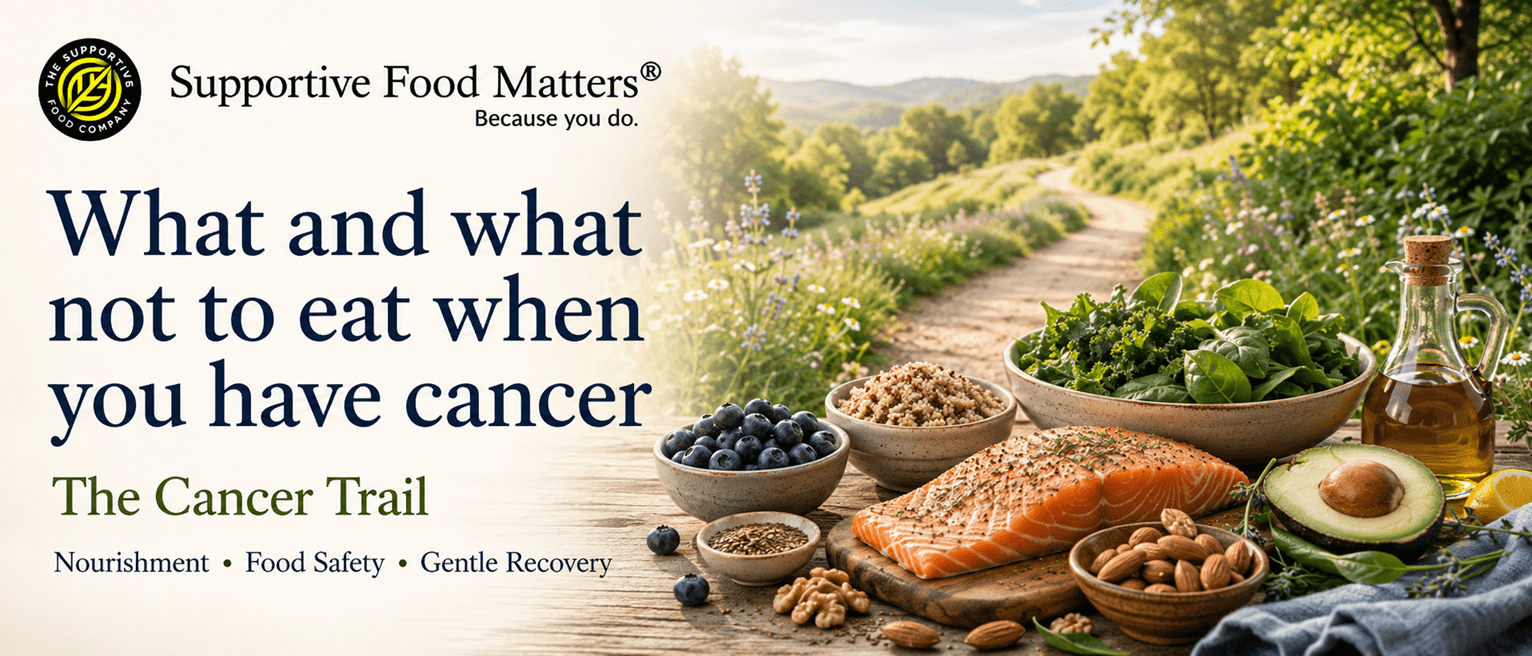
Balancing nutrition during cancer treatment can feel like walking a fine line. Your body needs extra fuel, but some foods might interfere with treatment or put more strain on an already taxed immune system.
Every cancer journey is unique, and what benefits one person could be harmful to another. It’s always best to check your diet with your oncology dietitian or doctor.
Here is a breakdown of what is generally recommended to limit or avoid:
1. High-Risk Foods (Infection Risk)
Many cancer treatments, such as chemotherapy, can reduce your white blood cell count, making you neutropenic and more susceptible to infections. During this time, keeping food safety as your top priority is essential.
-
Raw or Undercooked Meats/Seafood: This includes sushi, rare steaks, and raw oysters.
-
Unpasteurized Dairy & Juices: Avoid “raw” milk, cider, or soft cheeses like Brie and Camembert unless they are clearly labeled as made with pasteurized milk.
-
Raw Sprouts: Alfalfa and bean sprouts are difficult to clean thoroughly and can harbor bacteria.
-
Unwashed Produce: Always scrub fruits and vegetables, even if you plan to peel them.
2. Processed & Inflammatory Foods
-
Processed Meats: The WHO lists processed meats like bacon, deli meats, and hot dogs as Group 1 carcinogens. They’re often packed with nitrates and high levels of sodium, which can lead to increased inflammation.
-
Excessive sugar: While the idea that “sugar feeds cancer” is an oversimplification, diets high in sugar can lead to weight gain and insulin spikes, creating an environment that may support cancer cell growth.
-
Charred or grilled meats: Cooking meat at very high temperatures can produce heterocyclic amines (HCAs) and polycyclic aromatic hydrocarbons (PAHs), which may be harmful.
3. Drinks to Reconsider
-
Alcohol: Alcohol is a known carcinogen that can put extra stress on your liver, which is already working hard to process your medications. It can also cause dehydration and make mouth sores worse.
-
Grapefruit Juice: This is a big deal. Grapefruit can mess with the enzymes that break down certain chemotherapy drugs, which can make them either less effective or dangerously strong.
4. Herbs and Spices to Watch

This is where many people get confused, as “natural” doesn’t always guarantee safety during treatment.
-
St. John’s Wort: Known for interacting with a massive range of medications, it can significantly reduce the effectiveness of many chemotherapy drugs.
-
Green Tea Supplements: While a cup of green tea is usually fine, high-dose extracts can interfere with certain drugs, specifically Bortezomib (Velcade).
-
Antioxidant Supplements: In high doses, such as with Vitamin E or C supplements, antioxidants might actually shield cancer cells from the oxidative stress that radiation and certain chemotherapy treatments use to destroy them.Turmeric/Curcumin: While great for inflammation in food, high-dose supplements can thin the blood or interfere with certain treatments.
Key Takeaway: The “Food First” Rule
Most oncologists recommend getting your nutrients from whole foods instead of supplements, since food offers a complex mix of nutrients that are less likely to cause an overdose.
A quick tip: If you’re dealing with a metallic taste, a common side effect of chemo, try using plastic utensils instead of metal and marinating meats in sweet or tangy flavors like lemon or maple syrup.
What is probably be better to eat and focus on
| Name of product | Cancer types mentioned | Food it is found in |
| Apigenin | Breast, Colorectal, Liver, Lung, Prostate, Skin, Gastric, Bone (Osteosarcoma), Sarcoma | Parsley, celery, chamomile, citrus fruits |
| Artemisinin | Breast, Leukemia, Lung, Ovarian, Pancreatic | Sweet wormwood (Artemisia annua) |
| Berberine | Breast, Colorectal, Gastric, Liver, Lung, Ovarian, Prostate | Barberry, Goldenseal, Oregon grape |
| Curcumin | Breast, Colorectal, Gastric, Leukemia, Liver, Lung, Pancreatic, Prostate, Multiple Myeloma, Esophageal/Throat, Ovarian, Endometrial, Non-Hodgkin Lymphoma | Turmeric (Curcuma longa) |
| Emodin | Breast, Colorectal, Liver, Lung, Pancreatic, Islet Cell | Rhubarb, Buckthorn, Aloe vera |
| EGCG | Breast, Colorectal, Liver, Lung, Prostate, Skin, Gastric, Cervical, Nasopharyngeal, Bladder, Kidney, Brain & CNS, Esophageal | Green tea |
| Ginsenosides | Breast, Colorectal, Liver, Lung, Melanoma | Ginseng root |
| Icariin | Breast, Colorectal, Liver, Lung, Prostate | Horny Goat Weed (Epimedium) |
| Resveratrol | Breast, Colorectal, Liver, Lung, Prostate, Skin, Gastric, Melanoma, Nasopharyngeal, Brain & CNS, Non-Hodgkin Lymphoma, Endometrial | Grapes, red wine, blueberries, peanuts |
| Silibinin | Breast, Colorectal, Liver, Lung, Prostate, Skin, Gastric | Milk thistle |
| Triptolide | Breast, Colorectal, Leukemia, Liver, Lung, Pancreatic, Prostate, Brain & CNS, Islet Cell | Thunder God Vine (Tripterygium wilfordii) |
| Ursolic Acid | Breast, Colorectal, Liver, Lung, Melanoma, Prostate, Skin, Cervical, Esophageal, Bladder, Kidney, Bone, Sarcoma, Multiple Myeloma | Apple peels, rosemary, thyme, basil |
 Focusing on nutrient-dense foods
Focusing on nutrient-dense foods isn’t just about “fighting” cancer; it’s about giving your body the building blocks it needs to repair healthy cells, maintain a healthy weight, and keep your energy levels up during treatment. Here’s a list of foods generally seen as safe and beneficial, grouped by how they can support your recovery.
1. High-Quality Proteins
Protein is critical for healing tissue and keeping your immune system strong. If your appetite is low, aim for “small and often.”
-
Lean Poultry & Eggs: Chicken, turkey, and eggs are easy to digest and provide essential amino acids.
-
Plant-Based Proteins: Tofu, lentils, chickpeas, and beans are excellent fiber sources that are usually gentler on the stomach than red meat.
-
Fatty Fish: Salmon, mackerel, and sardines provide Omega-3 fatty acids, which can help reduce inflammation.
2. The “Powerhouse” Vegetables
These contain phytonutrients that support the body’s natural detoxification processes.
-
Cruciferous Vegetables: Broccoli, cauliflower, kale, and Brussels sprouts contain sulforaphane, which has been studied for its protective properties.
-
Tip: If raw veggies cause bloating, try steaming them until they are very soft.
-
-
Leafy Greens: Spinach and Swiss chard are loaded with folate and iron, which can help if your blood counts are dipping.
3. Berries and Bright Fruits
While we avoid high-dose antioxidant supplements, getting antioxidants from whole foods is generally encouraged.
-
Berries: Blueberries, raspberries, and blackberries are low in sugar but high in fiber and phytochemicals.
-
Citrus (In moderation): Oranges and lemons provide Vitamin C, which helps with iron absorption. (Just remember to avoid grapefruit if it interacts with your specific chemo).
4. Healthy Fats for Calorie Density
If you are losing weight or struggling to eat large meals, healthy fats are your best friend because they are “calorie-dense.”
-
Avocados: High in healthy fats and easy to mash into smoothies or onto toast.
-
Olive Oil: A great way to add calories and anti-inflammatory monounsaturated fats to any dish.
-
Nut Butters: Almond or peanut butter provides a quick hit of protein and fat.
5. Whole Grains & Complex Carbs
These provide the steady glucose your brain and muscles need to fight fatigue.
-
Oats & Quinoa: These are easy on the digestive tract and provide more protein than refined white grains.
-
Sweet Potatoes: Rich in beta-carotene and easier to digest than many other fiber-heavy foods.
Managing Treatment Side Effects
Sometimes, what is “healthy” doesn’t matter if you can’t keep it down. Here’s how to pivot:
| If you have… | Try eating… |
| Nausea | Ginger tea, dry crackers, or cold foods (which have less aroma). |
| Mouth Sores | Smoothies, mashed potatoes, yogurt, or pureed soups. Avoid acids/salt. |
| Constipation | High-fiber foods like prunes, beans, and plenty of water. |
| Diarrhea | The “BRAT” diet: Bananas, Rice, Applesauce, Toast. |
A Note on Smoothies: If eating feels like a chore, smoothies are a “secret weapon.” You can blend spinach, protein powder, frozen berries, and avocado into one drink that covers almost all your nutritional bases.