
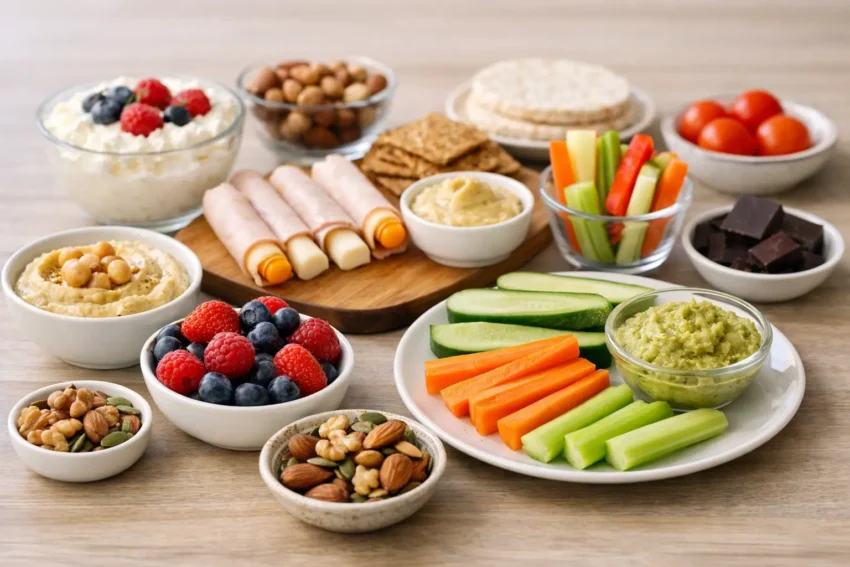
12 Diabetes Friendly Snack Ideas That Satisfy
A snack can be the difference between arriving at dinner calm and nourished, or so hungry that the quickest biscuit, crisps or sugary drink feels unavoidable.
Diabetes-friendly snack ideas are not about eating joyless “diet food”. They are about choosing foods that help you feel satisfied, support steadier blood glucose, and fit the budget, culture and realities of everyday life.
For many people, the most useful snacks combine fibre-rich carbohydrate with protein or healthy fats. That combination is generally digested more slowly than refined carbohydrate eaten alone. Portions still matter, and individual responses vary, particularly for people using insulin or glucose-lowering medication. A glucose monitor, where available, can help turn general guidance into personal knowledge.
What makes a snack diabetes-friendly?
A packet may be labelled “healthy” or “no added sugar” and still be low in fibre, expensive, or easy to overeat. It is more helpful to look at the whole food: how filling it is, what it costs, and whether it will genuinely be there when you need it.
Foods with protein, unsaturated fats and fibre can soften the blood-glucose rise that may follow carbohydrate. They also support fullness, which matters when regular meals are hard to manage. Fruit is not off limits. Nor are bread, oats, beans or dairy foods. The question is usually what portion suits you, what you pair it with, and how your own body responds.
If you have kidney disease, swallowing difficulties, food allergies, digestive conditions, or have been advised to follow a specific carbohydrate plan, seek individual advice from your diabetes team or a registered dietitian. People who take insulin or medicines that can cause hypos need a plan for treating low blood glucose that is different from an everyday snack.
12 diabetes friendly snack ideas for real life
1. Apple slices with peanut butter
An apple brings crunch, fluid and fibre; a thin spread of peanut butter adds protein and fat. Choose peanut butter with no added sugar where possible, but the plain version need not be a luxury product. Other nut butters work too. For a lower-cost option, buy larger jars when they are on offer or try roasted peanuts alongside the fruit.
2. Plain yoghurt with berries and seeds
Plain Greek-style yoghurt or unsweetened natural yoghurt is a versatile base. Add a small handful of fresh or frozen berries, then sprinkle over chia, flaxseed or pumpkin seeds. Frozen berries are often cheaper, keep longer and reduce food waste. If dairy is not suitable, select an unsweetened fortified soya yoghurt and check the label for protein.
3. Oatcakes with hummus and cucumber
Oatcakes have more character and often more fibre than many highly refined crackers. Pair two or three with hummus and cucumber, pepper or tomato slices. Hummus offers fibre and plant protein from chickpeas, while vegetables add volume without relying on salt-heavy packaged snacks.
4. A boiled egg and a piece of fruit
This is not glamorous, but it is dependable. Boil several eggs at once and keep them in the fridge for the next few days. A pear, satsuma or small apple alongside an egg makes a portable snack with more staying power than fruit alone.
5. Roasted chickpeas
Drain and dry a tin of chickpeas, toss with a little oil and spices such as smoked paprika, cumin or garlic powder, then roast until crisp. They are a satisfying alternative to crisps, though the texture softens over time. Tinned beans and pulses are affordable cupboard staples, particularly when bought in multipacks or own-brand ranges.
6. Wholemeal toast with avocado
One slice of wholemeal or seeded toast topped with mashed avocado, black pepper and lemon is a more substantial option for a long afternoon. Add tomato or a few crushed beans if you need greater fullness. Avocados can be costly, so this is a good choice when they are reduced or in season, not a requirement for eating well.
7. Cottage cheese with tomatoes and herbs
Cottage cheese is rich in protein and works well with cherry tomatoes, chopped cucumber, pepper and dried herbs. It can also be spooned onto a rye crispbread. Choose the version you enjoy and can afford; lower-fat products are not automatically the best choice if they leave you hungry soon afterwards.
8. A small handful of nuts with an orange
Unsalted almonds, walnuts, peanuts or mixed nuts provide crunch, protein and unsaturated fat. A closed handful is usually plenty, because nuts are energy-dense. Pairing them with an orange gives sweetness and vitamin C without turning the snack into a bowl of dried fruit, which is easy to eat in large quantities.
9. Edamame beans with chilli and lemon
Frozen edamame beans cook quickly in boiling water or the microwave. Sprinkle with chilli flakes, pepper and lemon juice for a warm, savoury snack. They are a useful plant-based source of protein and fibre. If edamame is difficult to find or outside your budget, use broad beans or peas instead.
10. Porridge made with oats
A small bowl of porridge is not only for breakfast. Make it with milk or fortified unsweetened soya drink, then add cinnamon and a few berries. Avoid assuming flavoured instant sachets are equivalent: many contain added sugar and provide less flexibility over portion size. Plain oats are usually one of the most economical choices in the supermarket.
11. Cheese, rye crispbread and radishes
A small piece of cheese with one or two rye crispbreads and sharp, crunchy radishes can feel far more satisfying than a sweet cereal bar. Cheese is higher in saturated fat and salt than some alternatives, so it works best as one option in a varied week rather than the answer to every hunger pang.
12. Leftover lentil soup in a mug
Snacks do not have to be cold or packaged. A mug of homemade lentil and vegetable soup is warming, filling and an excellent use for leftovers. Lentils bring fibre and protein, while soup made from vegetables that need using up is a practical act against household food waste.
Making diabetes-friendly snacks affordable
Health advice can become unfair when it assumes everyone has time, transport, spare money and a well-stocked kitchen. Fresh berries, branded protein pots and individual snack packs are not necessary for good blood-glucose support. Oats, eggs, tinned chickpeas, plain yoghurt, frozen vegetables, seasonal fruit and own-brand nuts can go a long way.
Planning helps, but perfection is not the goal. Keep two or three options visible and ready: eggs in the fridge, fruit in a bowl, hummus and chopped vegetables at eye level, or tins of beans in the cupboard. When food is accessible, the choice asks less of someone who is tired, in pain, caring for another person, or stretched by work.
Food access is a health issue, not a matter of personal virtue. Communities need affordable shops, dignified food support, fair wages for growers and producers, and health services that make practical nutrition advice available to everyone. No one should be shamed for relying on what they can afford.
A simple way to build your own snack
Start with a food that provides fibre or carbohydrate, such as fruit, wholegrain toast, oats, beans or crispbread. Add protein or fat from yoghurt, eggs, nuts, cheese, fish, tofu or hummus. Then include flavour – herbs, spices, lemon, pepper, vinegar or a favourite crunchy vegetable. This small structure leaves room for personal tastes rather than forcing a rigid menu.
Notice what happens afterwards. Are you comfortably full for a couple of hours? Does your glucose rise more than expected? Does the snack fit your medication routine and your day? These observations are useful information, not a test you can fail.
A good snack is one that supports your health while preserving pleasure, dignity and choice. Begin with the foods already familiar in your kitchen, make one practical swap at a time, and let nourishment be something that belongs to everyone.