
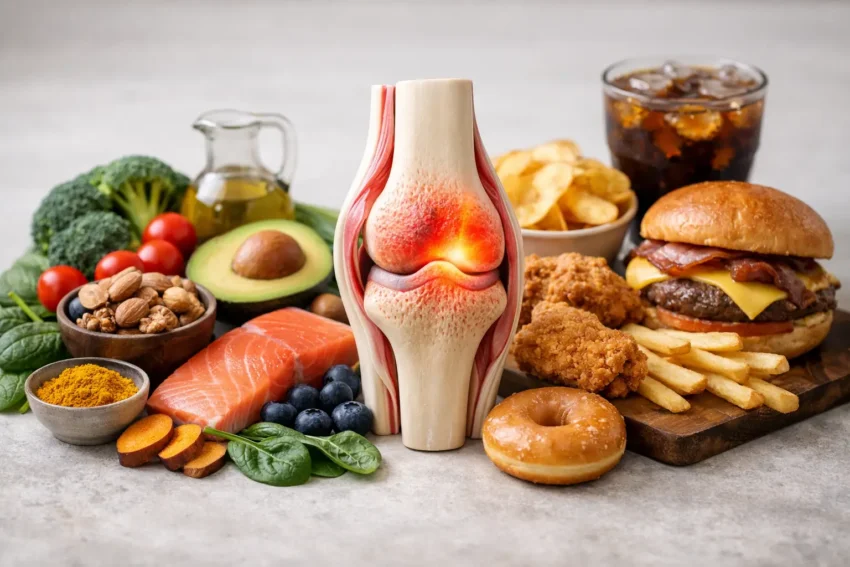
Can Food Affect Inflammation? What Helps
A stiff hand in the morning, a painful knee after sitting, a gut that never quite settles, or fatigue that makes ordinary tasks feel heavy can all prompt the same question: can food affect inflammation? For many people living with long-term illness, the answer matters deeply.
Food can’t replace medical care or magically erase every symptom, but sticking to regular eating habits can help influence inflammation, balance blood sugar, support gut health, and boost overall wellbeing.
Inflammation isn’t always a bad thing—it’s actually part of the body’s natural response to infection, injury, and healing. The real issue is ongoing, low-level inflammation that can be linked to problems like heart disease, type 2 diabetes, obesity, inflammatory bowel disease, arthritis, and even some cancers. It can also be influenced by things like stress, poor sleep, smoking, lack of exercise, certain medications, illness, and financial stress. That’s why there’s no single magic ingredient that can completely “fix” inflammation.
Can food affect inflammation over time?
Yes, the balance of evidence suggests that dietary patterns can affect markers linked with inflammation, particularly over months and years. The key word is patterns. A colourful, fibre-rich way of eating is more meaningful than adding turmeric to an otherwise highly processed diet. Equally, a difficult week of convenience meals does not erase a lifetime of nourishing food or determine a person’s health.
Foods contain compounds that interact with the body in different ways. Fibre supports the gut microbiome, which helps produce substances involved in immune regulation. Unsaturated fats, including those in oily fish, nuts, seeds and olive oil, may support heart health and help moderate inflammatory signalling. Fruit, vegetables, beans, herbs and wholegrains provide a broad range of vitamins, minerals and plant compounds.
In contrast, diets heavy in ultra-processed foods, sugary drinks, refined carbs, too much salt, and processed meats are often linked to poorer health and higher inflammation. But an association doesn’t prove that a specific food directly causes inflammation for everyone. Those who depend on inexpensive, convenient options may also deal with stress, poor housing, limited time, lack of healthcare access, or fewer local food choices. Pointing fingers isn’t accurate or helpful.
What does an inflammation-supportive plate look like?
The most credible approach is recognisable rather than fashionable: a Mediterranean-style pattern adapted to local tastes, culture, budget and appetite. It is less about imported “superfoods” and more about eating a wider variety of minimally processed foods when possible.
At most meals, aim to include vegetables or fruit, a source of fibre-rich carbohydrate and a protein food. That could mean porridge with fruit and seeds; a jacket potato with baked beans and salad; lentil soup with wholemeal bread; or tinned sardines on toast with tomatoes. Frozen vegetables, tinned pulses and oats count. They are often affordable, keep well and can reduce food waste.
Fibre is a practical starting point
Many adults in the UK do not eat enough fibre. Increasing it gradually can support bowel regularity, help with fullness and feed beneficial gut bacteria. Beans, lentils, chickpeas, peas, oats, wholemeal bread, brown rice, root vegetables, fruit and nuts are useful choices.
A sudden large increase can cause wind, bloating or discomfort, especially for people with irritable bowel syndrome, inflammatory bowel disease or treatment-related digestive problems. Start with one manageable change, such as adding beans to a stew twice a week or swapping one refined cereal for porridge. Drink enough fluids too.
Choose fats with care, not fear
Fat is essential, but the type and overall pattern matter. Olive or rapeseed oil, walnuts, ground linseed, chia seeds and oily fish such as sardines, mackerel and salmon offer unsaturated fats. Two portions of fish a week, including one oily portion, is a useful general benchmark for those who eat fish.
If fresh fish is out of reach, tinned fish can be a strong alternative. For people who do not eat fish, nuts, seeds, rapeseed oil and plant-based sources can still contribute, although omega-3 fats from plants are handled differently by the body. Supplements are not automatically necessary and can interact with medicines, including blood-thinning medication.
Make room for colour and flavour
Berries, leafy greens, onions, peppers, tomatoes, apples, citrus fruit, herbs and spices all bring different plant compounds to the table. There is no need to chase expensive powders or strict detox plans. A bag of frozen berries, a handful of kale in a soup, or onions and mixed vegetables in a casserole are meaningful additions.
Spices such as turmeric and ginger are welcome for flavour, but evidence for high-dose supplements is far less straightforward. Concentrated products can upset the stomach or interfere with treatment. Food first is usually the safer, more sustainable principle.
Foods to reduce without turning eating into punishment
A supportive approach avoids labeling people as “good” or “bad” based on their food choices. Instead, it pays attention to which foods might be crowding out more nourishing options and finds practical swaps. Regularly having sugary drinks, sweets, crisps, pastries, processed meats, and heavily refined snacks can make it tougher to get enough fiber and nutrients, and may also cause blood sugar spikes or too much salt intake.
That does not mean these foods must be banned. Restriction can be especially unhelpful for someone recovering from cancer treatment, managing a poor appetite, living with an eating disorder, or simply trying to feed a family on a tight budget. For some people, getting enough calories and protein is the immediate priority. Context matters.
Alcohol is another individual consideration. Drinking less can support sleep, liver health and calorie balance, and avoiding alcohol is safest for many people. Those with cancer, liver disease, certain medicines or a history of alcohol dependence should seek tailored clinical advice rather than relying on general nutrition messages.
When inflammation needs medical attention
Nutrition can be one part of care, not a diagnosis. New or worsening joint swelling, persistent diarrhoea, unexplained weight loss, rectal bleeding, fever, severe abdominal pain, chest pain or breathlessness should be assessed promptly. Ongoing fatigue and pain deserve to be taken seriously too.
People with autoimmune conditions, kidney disease, diabetes, cancer, food allergies or digestive disease may need more specific guidance. A registered dietitian can help build a plan around symptoms, medication, culture, budget and treatment goals. Be cautious of claims that one diet cures arthritis, cancer or autoimmune illness. Such promises can lead people away from effective care and towards costly, restrictive regimes.
Food access is part of the inflammation conversation
It is difficult to talk about anti-inflammatory eating honestly without talking about access. Advice to eat more fresh produce rings hollow where households are choosing between heating and food, where buses to shops are scarce, or where a carer has neither the time nor energy to cook from scratch. Health is shaped by income, housing, transport, disability, work and the food available nearby.
This is why practical support matters: community fridges, food co-operatives, affordable produce schemes, dignified food aid, cooking groups and fairer routes to market for independent farmers and producers. At Supportive Food Directory, we believe better health should not depend on postcode or privilege. People deserve information they can use and food systems that make nourishing choices possible.
A helpful next step is not perfection. Choose one change that fits your real life: add an extra vegetable to a familiar meal, keep a tin of beans in the cupboard, try porridge for breakfast, or share a batch-cooked soup with a neighbour. Small, repeated acts of nourishment can support the body, while collective action can make those acts possible for more people.
Home | Food | Facebook | Other sources | Investors | Editors | Contact