

What Foods Can Help Ease Nausea?
Nausea can make eating feel difficult, even when your body needs food and fluid. The right approach is usually simple: small amounts, gentle foods, steady sips, and patience. There is no single food that works for everyone, because nausea can happen for many different reasons, including stomach bugs, pregnancy, migraines, reflux, anxiety, medication side effects, cancer treatment, pain, dehydration, or low blood sugar.
Food cannot always remove nausea completely, but it can help you feel more settled while your body recovers. The aim is not to eat a perfect meal. The aim is to manage enough food and drink to keep your strength up without making symptoms worse.
 Start With Small, Plain Foods
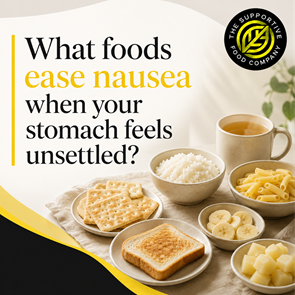
When your stomach feels unsettled, bland foods are often easiest to tolerate. Dry toast, plain crackers, rice, bananas, noodles, plain pasta, boiled potatoes, oatcakes, and simple cereal can all be useful starting points. These foods are mild, familiar, and less likely to overwhelm the stomach than rich or heavily seasoned meals.
Soft foods may also help. Porridge, applesauce, plain yoghurt, custard, mashed potato, soup, or a small bowl of rice can feel easier than a large plate of food. If you have been vomiting or feel close to it, start with just a few bites. A small amount that stays down is more useful than a full meal that feels impossible.
Try not to worry if your choices are very plain for a short while. When nausea is active, comfort and tolerance matter more than variety. You can return to a broader diet when your appetite and digestion improve.
Eat Little and Often
Large meals can make nausea worse, especially if your stomach is already sensitive. Smaller portions eaten more often are usually easier to manage. Try a few bites every two or three hours rather than waiting until you are very hungry.
An empty stomach can sometimes make nausea feel worse. Keeping a simple snack nearby, such as crackers, dry cereal, a banana, or a slice of toast, may help you avoid that empty-stomach feeling. Some people, especially during pregnancy, find it easier to eat something plain before getting out of bed in the morning.
Eat slowly, sit upright while you eat, and avoid lying flat straight after meals. A calm, well-ventilated room can also help, especially if food smells are a trigger.
Choose Foods With Less Smell
Strong smells can make nausea much harder to manage. Hot food often smells stronger than cold or room-temperature food, so cooler options may feel more acceptable.
You could try:
- Cold toast or plain crackers
- Chilled melon or apple slices
- Plain yoghurt
- Rice pudding
- Cold pasta or rice
- Ice lollies
- Smoothies, if you can tolerate them
- Simple sandwiches with mild fillings
This can be especially useful for people going through medical treatment, where smell and taste changes can be unpredictable. If cooking smells are difficult, ask someone else to prepare food if possible, open a window, use a fan, or choose meals that need little preparation.
 Ginger, Lemon and Mint
Ginger is one of the best-known food-based options for nausea. Some people find ginger tea, ginger biscuits, ginger sweets, ginger ale made with real ginger, or fresh ginger in hot water helpful. Start with a small amount, especially if you have reflux, heartburn, or a sensitive stomach.
Lemon can also help some people. Lemon water, lemon sweets, citrus ice lollies, or simply smelling fresh lemon may make nausea feel less intense. Sharp flavours can be useful when nausea leaves an unpleasant taste in the mouth.
Peppermint tea or mints may feel soothing for some people, but they do not suit everyone. If you have acid reflux, peppermint may make symptoms worse. The best choice is the one your body actually tolerates.
 Keep Sipping Fluids
Hydration matters, especially if nausea comes with vomiting, diarrhoea, fever, sweating, or poor appetite. Small, frequent sips are usually easier than drinking a full glass at once.
You might try:
- Water
- Ice chips
- Weak tea
- Ginger tea
- Peppermint tea
- Broth
- Diluted fruit juice
- Oral rehydration drinks
- Flat ginger ale or another mild drink, if it suits you
If water feels heavy or “sloshy,” try tiny sips through the day or suck on ice cubes. If you have been vomiting or have diarrhoea, oral rehydration solutions can help replace lost fluid and salts. A pharmacist or healthcare professional can advise on what is suitable.
Very sweet drinks, alcohol, and too much caffeine can make nausea or dehydration worse for some people. If fizzy drinks increase bloating, let them go flat or avoid them for now.
 Foods That Often Make Nausea Worse
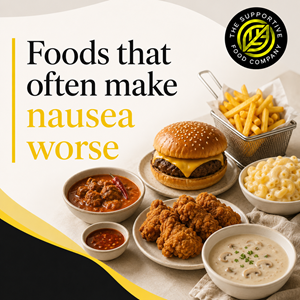
During a nauseous spell, some foods are more likely to feel difficult. These include:
- Fried foods
- Greasy meals
- Creamy sauces
- Spicy dishes
- Very rich desserts
- Strong-smelling foods
- Large portions
- Heavy meals eaten quickly
- Alcohol
- Too much coffee, especially on an empty stomach
Even healthy foods can be hard to manage when your stomach is unsettled. Raw vegetables, large salads, beans, lentils, or very high-fibre meals may feel too heavy for some people during nausea. This does not mean these foods are bad. It simply means they may be better saved for when your digestion feels steadier.
 Nausea During Pregnancy
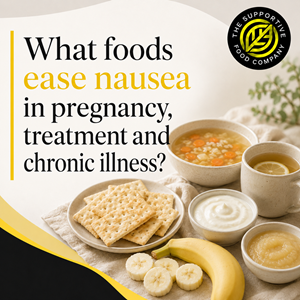
Nausea in pregnancy is common, although it can happen at any time of day, not just in the morning. Many people find dry, plain foods easier to manage first thing. Crackers, toast, cereal, bananas, rice cakes, or small frequent meals may help prevent the stomach from becoming completely empty.
Ginger may also help some pregnant people, but supplements or strong preparations should be discussed with a healthcare professional, especially if you have any medical concerns or take medication.
Severe pregnancy sickness is different from ordinary nausea. If you cannot keep fluids down, are losing weight, feel dizzy, pass very little urine, or feel unable to function, seek medical advice. You may need treatment and support.
Nausea During Cancer Treatment or Medical Treatment
Nausea during chemotherapy, radiotherapy, surgery recovery, or other medical treatment can be linked to medication, taste changes, smell sensitivity, pain, constipation, tiredness, or anxiety. Food can help, but anti-nausea medication and professional advice may also be needed.
Small, flexible meals are often more realistic than trying to eat normally. Cold foods, mild foods, soft foods, or calorie-containing drinks may be easier. Some people manage yoghurt, custard, smoothies, soups, mashed potato, plain noodles, rice, toast, bananas, ice lollies, or simple sandwiches.
If you are receiving treatment and nausea is stopping you eating or drinking, tell your medical team. Nausea is not something you simply have to put up with. Medication timing, dose changes, constipation management, hydration support, and nutrition advice can all make a difference.
Nausea With Reflux or Digestive Conditions
If nausea is linked with reflux, gastroparesis, irritable bowel symptoms, migraine, or another ongoing condition, the best foods may be more individual. Some people feel better with lower-fat meals. Others need to avoid acidic foods, mint, large portions, or eating close to bedtime.
A simple food and symptom note can help you spot patterns. Keep it practical rather than restrictive. Write down what you ate, when nausea happened, and anything else that may have contributed, such as stress, medication, poor sleep, pain, or travel.
 When to Get Medical Help
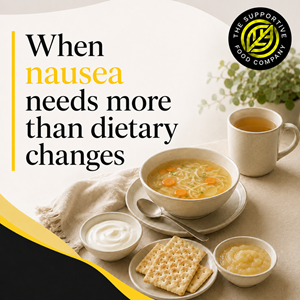
Food changes can be helpful, but nausea sometimes needs medical attention. Seek advice from a healthcare professional if nausea is persistent, keeps returning, or is interfering with normal eating and drinking.
Get urgent medical help if nausea or vomiting is accompanied by:
- Signs of dehydration, such as dizziness, very dark urine, dry mouth, confusion, or passing very little urine
- Blood in vomit
- Severe abdominal pain
- A stiff neck, severe headache, chest pain, or shortness of breath
- Vomiting after a head injury
- A high fever
- Unexplained weight loss
- Repeated vomiting that will not stop
- Inability to keep fluids down
- Severe pregnancy sickness
- Symptoms in a baby, older adult, frail person, or someone with a weakened immune system
If nausea begins after starting a new medicine, ask a doctor or pharmacist for advice before stopping it.
A Gentle Way Forward
When nausea is bad, food can feel emotional as well as physical. Pressure often makes things harder. If you are supporting someone who feels sick, offer small choices, keep portions modest, and avoid turning mealtimes into a battle.
A few bites of toast, a banana, a spoonful of rice, or a sip of ginger tea may not look like much, but it can be a useful beginning. On difficult days, gentle progress counts.
At The Supportive Food Company, we believe food guidance should be practical, compassionate, and realistic. When nausea makes eating hard, the goal is not perfection. The goal is relief, hydration, nourishment where possible, and the right support when food alone is not enough.