
 Richest and poorest nations? | This page: Zero Hunger Projects | Food Justice Campaigns | Editor
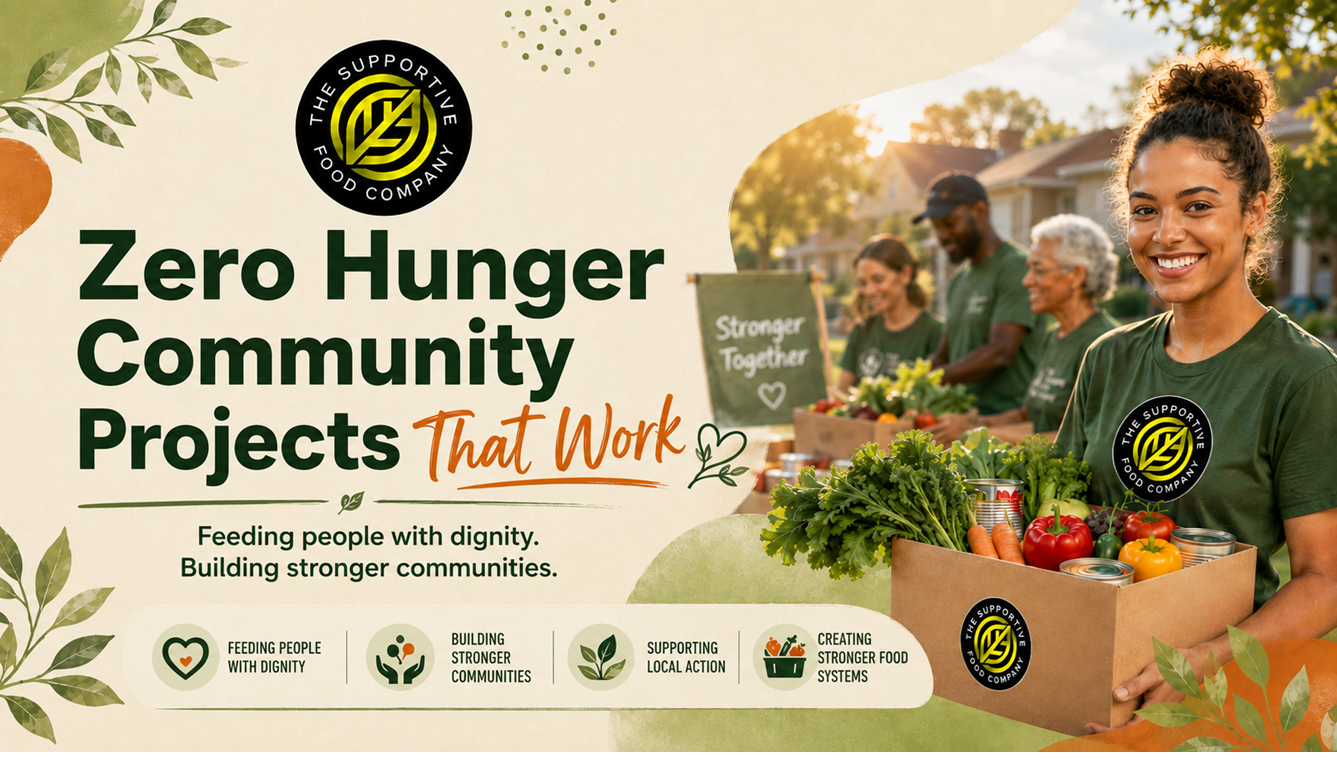
Zero Hunger Community Projects That Work
A food bank queue only hints at the bigger picture. Behind every skipped meal could be low wages, illness, loneliness, rising rent, poor transport links, inaccessible shops, or a lack of cooking help when health is fragile.
That’s why zero hunger community projects are so important. At their best, they go beyond handing out food – they protect dignity, boost health, support local farmers, and help rebuild the social fabric that hunger quietly unravels.
For a mission-driven platform working where nutrition, illness, and food justice meet, this difference matters. Hunger isn’t just about calories – it’s about whether people can consistently access food that’s nourishing, culturally familiar, affordable, and realistic to prepare when life is tough. For example, a household dealing with cancer, diabetes, dementia or severe fatigue may need very different support from a household facing a short-term financial shock. Good community projects recognise that. Weak ones flatten everyone into the same need.
What zero hunger community projects actually do
The phrase might sound lofty, but in practice it often means hands-on local action. That can be anything from community fridges and school holiday meal programs to social supermarkets, gardens, shared kitchens, farm surplus sharing, pantry networks, meal clubs for older folks, and neighborhood partnerships that help people eat well when illness or poverty make it hard.
The best projects work on three levels at once: offering immediate help when someone needs food now, building stronger local systems so fewer people reach crisis point, and tackling the bigger issues that keep hunger going—like food waste, low wages, poor transport, and uneven access to fresh produce.
This is where good intentions either turn into real impact or fall short. Emergency food parcels are important when someone has no safe option, but if a project never moves past that stage, it risks managing hunger instead of actually reducing it.
Why dignity matters as much as delivery
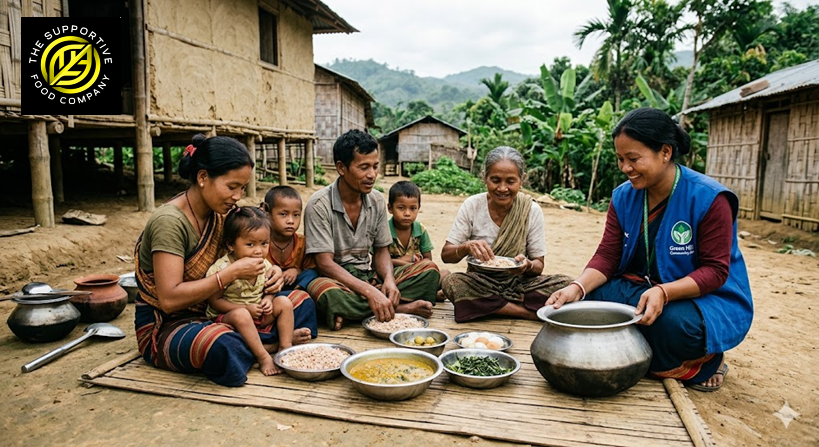
People living with food insecurity are often expected to prove they are struggling, accept whatever is available, and be grateful while their choices disappear. That approach may move stock quickly, but it can deepen shame and keep people away until their situation is desperate.
A more dignified model looks different. It lets people choose food where possible. It considers dietary needs, allergies, faith requirements and health conditions. It thinks about whether someone has a fridge, a hob, enough energy to cook, or the confidence to turn unfamiliar ingredients into a meal. It also avoids presenting surplus food as the only answer. Surplus can help, but people deserve consistency, not just whatever happened not to sell.
For patients and carers, dignity has another layer. If someone is managing treatment side effects, blood sugar control, swallowing difficulties or appetite loss, food support must be more than generous. It must be usable. There is little value in handing out ingredients that worsen symptoms or demand energy the person does not have.
The models that tend to work best
Community pantries and social supermarkets often succeed because they combine affordability with choice. Rather than a one-off parcel, they offer a low-cost way to pick food regularly, which helps households plan and reduces the stigma attached to crisis support. When these models include fresh produce, basic staples and welcoming staff, they can become trusted community anchors.
Community growing projects can also be transformative, though not always in the simplistic way they are presented. A shared garden will not solve structural poverty on its own. Yet it can improve access to fresh food, create social connection, teach practical skills and give people a stronger relationship with seasonality and local production. For people dealing with poor mental health or long-term illness, that steady connection can matter deeply.
School and holiday food projects are especially important because child hunger has lifelong effects. The best schemes do not separate feeding from learning and family support. They pair meals with a warm environment, activities, advice and routes into wider help. Children should never carry the burden of food insecurity in silence.
Farm-to-community redistribution deserves more attention too. When local farmers and producers can channel edible surplus into neighbourhood networks without excessive bureaucracy, communities benefit and waste is reduced. But this only works fairly when growers are respected. Farmers should not be treated as endless buffers in a broken food economy. A zero-hunger agenda must protect farm resilience as well as household nutrition.
Where zero hunger community projects can go wrong
Some projects are launched with energy and goodwill, then struggle because they rely on a few exhausted volunteers. Others attract food donations that are unpredictable, nutritionally weak or inappropriate for the people receiving them. Some focus heavily on public image while leaving users with little privacy or choice.
There is also a common tension between speed and quality. Fast emergency responses are vital in a crisis, but over time communities need systems that are reliable, trauma-aware and informed by health realities. If a project is feeding people with highly processed items because that is what is easiest to store and distribute, it may relieve one problem while storing up another.
The language used matters too. Talking about helping the needy may sound harmless to some ears, but it places distance between giver and receiver. Hunger is not a personal failing. It is often the visible result of policy failure, insecure incomes, disability barriers, housing pressure and a food system that prices many people out of health.
Building projects around health, not just hunger
This is where reform-minded food work becomes more ambitious and more humane. If a community project is serious about zero hunger, it should ask not only whether people are eating, but whether they can eat in ways that support their health.
That does not mean moralising about perfect diets. It means recognising reality. Someone with diabetes may need steadier access to suitable foods, not occasional sugary donations. A person going through cancer treatment may need soft, plain, protein-rich options in small portions. An older adult living alone may need prepared meals, regular social contact and transport support, not a crate of ingredients they cannot carry or cook.
Projects that understand this become far more useful. They make room for nutritional guidance, local signposting, shared knowledge and patient-centred support. They know that food poverty and ill health often reinforce each other. Break that cycle in one place, and the effects spread.
What local community groups can do next
No single project can end hunger alone, but local communities can make smarter choices about where effort goes. Start with listening. Ask residents, carers, community nurses, growers and local organisers what is actually missing. In one area the answer may be affordable fresh food. In another it may be transport, cooking confidence, culturally appropriate ingredients or support for isolated older people.
Then build partnerships that make practical sense. Farmers, independent producers, health advocates, faith groups, schools and neighbourhood volunteers each hold part of the solution. A project rooted in collaboration is usually more resilient than one built around a single heroic organiser.
It also helps to measure the right things. Counting parcels or meals tells you something, but not enough. Better questions include whether people felt respected, whether they accessed food more consistently, whether dietary needs were met, whether waste fell, and whether the project reduced pressure on families living with illness or financial strain.
Supportive Food Directory exists in this wider space – where food access, public health, community knowledge and producer visibility belong in the same conversation. That joined-up thinking is not an extra. It is the point.
Zero hunger community projects need political honesty
Communities are generous, but they cannot be expected to absorb endless hardship created elsewhere. Volunteers cannot replace fair wages. Donation drives cannot substitute for a functioning safety net. Surplus food cannot permanently stand in for the right to affordable, nutritious food.
So yes, local action matters. It saves lives, eases pressure and creates relationships that institutions often fail to build. But political honesty matters as well. If we want zero hunger community projects to succeed, we must also support the conditions that make hunger less likely in the first place – decent incomes, accessible health support, strong local food economies and policies that treat food as a public good rather than a private privilege.
The most hopeful projects are not those pretending to fix everything. They are the ones feeding people with care today while steadily building a fairer system for tomorrow. If your community is ready to act, start there – with dignity, with listening, and with the conviction that nobody should have to fight this hard just to eat well.