
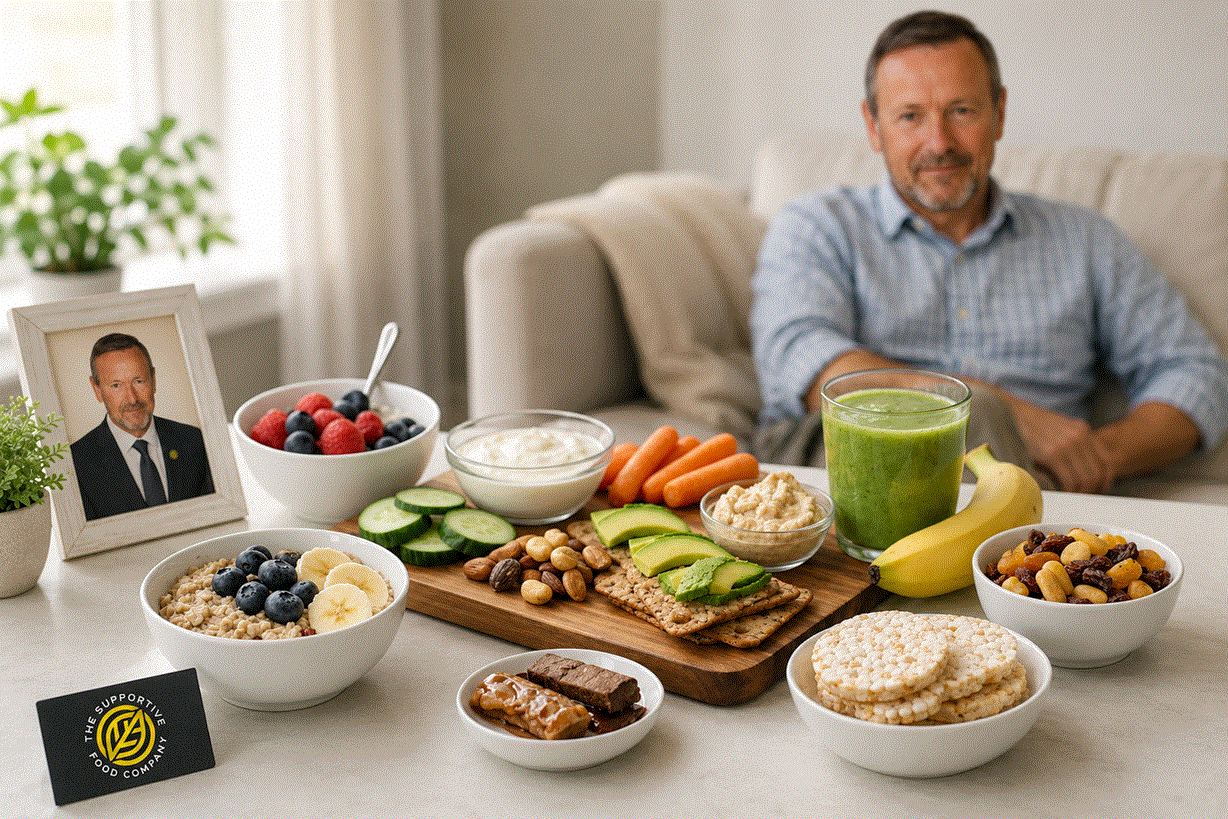
12 Best Snacks for Chemo: Gentle Ideas for Difficult Days
In this section I speak from particularly personal experience, with out mincing words. The first thing a cancer patient wants is the truth.
Some days during chemotherapy, a full meal can feel like far too much. Smells may be strong, the mouth may be sore, water may taste odd, and appetite can come and go without warning. On those days, snacks are not a “lesser” option. They can be a kind and practical way to keep a little nourishment going.
The best snacks for chemo are not about perfection, expensive ingredients or miracle foods. They are about small, manageable choices that feel possible today: a few crackers, a spoonful of yoghurt, a mug of soup, a smoothie, a banana, or something cool and soothing when the mouth feels tender.
What makes a good chemo snack?
A good chemotherapy snack is usually easy to eat, easy to prepare, and gentle on the mouth and stomach. Some days the priority may be energy. Other days it may be protein, fluid, comfort, or simply finding one food that does not make nausea worse.
It helps to think in flexible terms rather than strict food rules. A snack that works beautifully today may be completely wrong tomorrow. That is not failure. It is the reality of treatment. Food support during chemotherapy needs to be practical, patient and free from judgement.
12 gentle snacks that often work well during chemo
1. Plain crackers or oatcakes
Dry, mild snacks can be useful when nausea is hovering. Keep a small packet near the bed, sofa or treatment bag so a few bites are available before hunger turns into queasiness.
2. Yoghurt or Greek yoghurt
Yoghurt is cool, soft and simple. Greek yoghurt gives more protein, while a mild fruit yoghurt may be easier if plain dairy tastes too sharp. Fortified plant-based alternatives can help if dairy becomes unpleasant.
3. Rice pudding, semolina or custard
Soft puddings can be comforting when chewing feels tiring. If weight loss is a worry, full-fat milk, cream, powdered milk or a spoon of nut butter can increase energy without making the portion much bigger.
4. Banana
Bananas are soft, gentle and easy to eat slowly. Try small slices, mashed banana with yoghurt, or banana blended into a smoothie if chewing is difficult.
5. Toast with a mild topping
Dry toast may suit nausea, while a thin layer of peanut butter, cream cheese, mashed avocado or hummus can make it more nourishing. Keep the topping mild if strong smells are a trigger.
6. Smoothies or milky drinks
Smoothies can combine fluid, energy and protein in one small drink. A simple blend of banana, yoghurt, milk or fortified plant drink, oats and nut butter can be useful. Keep flavours gentle if taste changes are severe.
7. Cheese with plain biscuits
For people who can manage savoury foods, mild cheese with plain biscuits is small, easy to portion and energy-dense. Softer cheeses may be kinder if the mouth is tender.
8. Soup in a mug
A smooth soup can sit between a snack and a light meal. Potato and leek, carrot, lentil, chicken, butternut squash or tomato-free vegetable soup can be easier to sip than a larger bowl of food.
9. Stewed fruit with custard
Stewed apple, pear or berries can be softer than raw fruit. Add custard, yoghurt or rice pudding for extra comfort and energy. Avoid acidic fruits if the mouth is sore.
10. Hard-boiled eggs, if tolerated
Eggs are a compact source of protein and can be prepared in advance. However, smell matters. If eggs make nausea worse, leave them out and try yoghurt, cheese, hummus, tofu or lentil soup instead.
11. Ice lollies or juice ice cubes
Cold foods can feel soothing when the mouth is sore, dry or metallic-tasting. Ice lollies, frozen smoothie cubes or diluted juice cubes may also encourage small amounts of fluid.
12. Hummus with soft pitta
Hummus is useful when savoury food feels easier than sweet food. Pair it with soft pitta, breadsticks, peeled cucumber or soft bread. Avoid rough, crunchy foods if the mouth or throat is sore.
Match the snack to the symptom
Side effects can change from week to week, so it may help to keep a few different types of snack available. The table below is a starting point, not a rulebook.
| When the main problem is… | Snacks that may be easier | Helpful thought |
|---|---|---|
| Nausea | Crackers, oatcakes, dry toast, plain biscuits, rice cakes, banana, cold yoghurt. | Small bites often work better than waiting for a full appetite. |
| Sore mouth or ulcers | Yoghurt, custard, smoothies, rice pudding, mashed avocado, smooth soup, ice lollies. | Soft, cool and non-acidic foods are usually kinder than spicy, salty or rough foods. |
| Metallic or strange taste | Cold foods, smoothies, fruit, mild cheese, soup, yoghurt, mint if tolerated. | Plastic or wooden cutlery may help some people if metal cutlery makes the taste worse. |
| Fatigue | Ready-made soup, individual yoghurts, crackers, cheese portions, bananas, boiled eggs, prepared smoothies. | The best snack is often the one that is already within reach. |
| Weight loss or poor intake | Full-fat yoghurt, milky puddings, nut butter on toast, smoothies, cheese and biscuits, fortified soup. | Small portions can be enriched with extra energy and protein. |
Small strategies that make snacking easier
During chemotherapy, timing can matter as much as the food itself. A snack every couple of hours may be easier than three formal meals. If smells are difficult, cold foods or room-temperature foods may feel more manageable. If fatigue is severe, snacks need to be visible, reachable and ready to eat.
It also helps to relax the idea of what “proper food” should look like. Cereal at 4 pm is still food. A milky pudding after treatment is still food. A few bites of toast before bed can still matter. Eating during treatment is not a test of character; it is an act of care.
A note for carers and family members
Watching someone struggle to eat can be distressing. It is natural to want to encourage them, but pressure can make meals feel even harder. Try offering small choices rather than large plates: “Would yoghurt or soup be easier?” may feel kinder than “You need to eat more.”
Keep portions small, accept that preferences may change suddenly, and remember that refusing a food is not ingratitude. Chemotherapy can change taste, smell, appetite, energy and comfort in ways that are hard to explain.
When to ask for extra help
Please ask the treatment team for support if eating becomes consistently painful, if swallowing is difficult, if vomiting is frequent, if fluids are hard to keep down, or if weight loss is becoming noticeable. A registered dietitian, specialist nurse, pharmacist, GP, speech and language therapist or hospital team can help with symptom control, texture changes, nutrition drinks, mouth care and safe food choices.
This is especially important if immunity is low, blood counts are affected, mouth ulcers are severe, diarrhoea is persistent, or there are signs of dehydration such as dizziness, confusion, very dark urine or being unable to drink enough.
Related Supportive Food reading
Reliable external sources
The suggestions on this page are intended as gentle, practical support and should be adapted to individual medical advice. For more detailed guidance, see: