
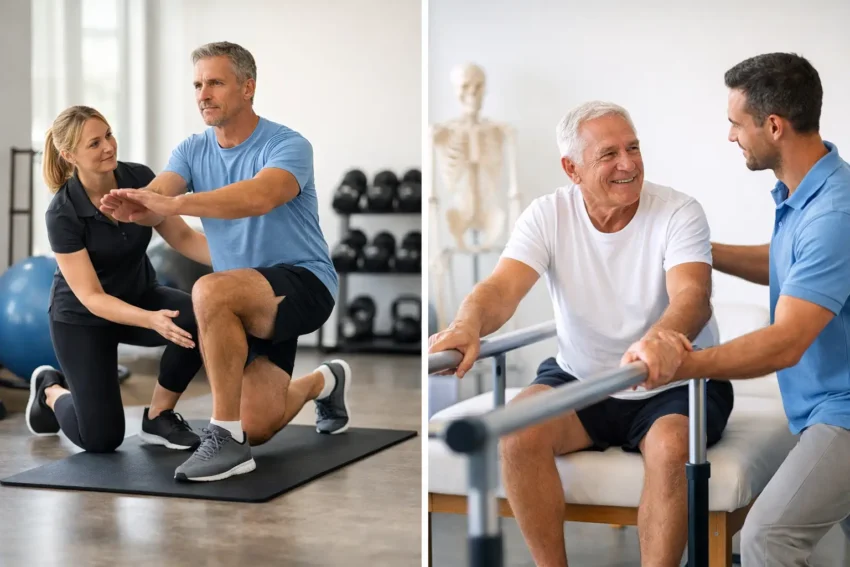
Why Prehabilitation Is as Important as Rehabilitation
Most people understand rehabilitation. It is the support someone receives after illness, surgery, cancer treatment, injury, or a long period of weakness. Rehabilitation helps a person rebuild strength, confidence, movement, independence, and quality of life.
But there is another part of the journey that is often overlooked.
Prehabilitation, often called prehab, means preparing the body and mind before treatment begins. It is the idea that recovery should not only start after the operation, treatment, or medical crisis. Where possible, recovery begins before it.
This matters because a person who enters treatment stronger, better nourished, more informed, and emotionally supported may be better placed to cope with what lies ahead.
Important: Prehabilitation is supportive care. It is not a replacement for surgery, chemotherapy, radiotherapy, medication, physiotherapy, dietetic care, or medical advice. Any exercise, food changes, supplements, or lifestyle changes should be discussed with the patient’s care team, especially if they are frail, underweight, diabetic, breathless, in pain, at risk of choking, or preparing for major treatment.
What is prehabilitation?
Prehabilitation is the practical preparation that happens before a planned operation, cancer treatment, or other major medical intervention. It may include:
- Physical activity to improve strength, stamina, breathing, mobility, and confidence.
- Nutrition support to help maintain weight, preserve muscle, support wound healing, and reduce the risk of malnutrition.
- Mental wellbeing support to reduce fear, anxiety, isolation, and emotional overwhelm.
- Smoking and alcohol reduction where relevant, because these can affect healing, breathing, infection risk, and recovery.
- Practical planning for transport, meals, home support, appointments, medication routines, and recovery needs.
In cancer care, prehabilitation is often described as support before, during, and after treatment. In surgery, it is sometimes described as getting “fit for surgery.” The principle is the same: help the person enter treatment in the best possible condition for them.
Why prehabilitation matters
When someone receives a diagnosis or is told they need treatment, there is often a waiting period. This time can feel frightening and passive. People may feel they can do nothing except wait.
Prehabilitation changes that. It gives the patient and their family something constructive to do.
It does not guarantee an easy recovery. It does not remove the need for medical treatment. But it can help a person feel more prepared, more involved, and less helpless.
For many patients, that alone is powerful.
Prehabilitation and rehabilitation are two halves of the same journey
Rehabilitation helps a person recover after treatment. Prehabilitation helps them prepare before treatment.
One is not a replacement for the other. They work together.
- Prehabilitation asks: “How can we help you go into treatment stronger?”
- Rehabilitation asks: “How can we help you rebuild after treatment?”
Both are about dignity, strength, and quality of life. Both recognise that the patient is more than a diagnosis. Both can involve food, movement, emotional support, family involvement, and practical care.
The food part of prehabilitation
Nutrition is one of the most important parts of prehabilitation, especially for people who are losing weight, eating less, struggling to swallow, feeling nauseous, or preparing for surgery or cancer treatment.
The aim is not to follow a strict “perfect diet.” The aim is to help the body cope.
For many patients, this means focusing on:
- Protein from foods such as eggs, fish, chicken, yoghurt, cheese, beans, lentils, tofu, soya foods, nut butters, or prescribed nutritional supplements.
- Energy from foods such as potatoes, rice, pasta, oats, olive oil, avocado, full-fat milk, cream, yoghurt, and soft puddings if needed.
- Small regular meals when appetite is low.
- Soft or blended foods if chewing or swallowing is difficult.
- Hydration, especially if the patient is eating less than usual.
If someone is underweight or losing weight quickly, this is not the time for unnecessary dieting. Medical teams often prioritise maintaining strength, weight, hydration, and muscle before and during treatment.
Simple prehabilitation meal ideas
Good prehab meals should be realistic. They should be easy to prepare, easy to eat, and suited to the patient’s needs.
- Scrambled eggs with mashed potato
- Greek yoghurt with banana and smooth nut butter
- Chicken, vegetable, and rice soup
- Lentil dhal with soft rice
- Fish pie with mashed potato
- Porridge made with milk and fortified with yoghurt or milk powder
- Soft pasta with tuna, cheese, tomato sauce, or lentils
- Rice pudding, custard, or milky desserts when savoury foods are difficult
- Fortified smoothies or prescribed nutrition drinks where appropriate
For patients with swallowing difficulties, texture matters. Thin drinks, thick drinks, purées, soft foods, and normal foods are not interchangeable. If swallowing is unsafe, advice from a speech and language therapist or dietitian is essential.
The movement part of prehabilitation
Movement before treatment does not need to mean intense exercise. For many patients, especially older people or those who are unwell, even gentle activity can matter.
Depending on the person’s ability and medical advice, prehabilitation movement might include:
- short walks
- standing up from a chair several times
- gentle stair practice
- breathing exercises
- light stretching
- basic strength exercises
- physiotherapy-led exercises
The goal is not to turn someone into an athlete. The goal is to preserve or improve the strength and stamina they already have, so the body is better prepared for treatment and recovery.
Anyone with chest pain, severe breathlessness, dizziness, falls risk, bone disease, severe anaemia, infection, or significant pain should ask their healthcare team before starting exercise.
The mental wellbeing part of prehabilitation
Preparing for treatment is not only physical. Diagnosis, uncertainty, hospital appointments, scans, waiting lists, and difficult conversations can place huge emotional pressure on patients and families.
Prehabilitation should make room for this.
Mental wellbeing support may include:
- talking honestly with trusted people
- asking the medical team clear questions
- writing concerns down before appointments
- using counselling or psychological support where available
- joining a suitable support group
- gentle relaxation, breathing, prayer, meditation, or quiet reflection
- planning practical help for meals, transport, pets, shopping, and home care
Feeling afraid does not mean someone is weak. It means they are human. Good prehabilitation recognises emotional strength as part of physical recovery.
Why carers are part of prehabilitation too
Carers often become the hidden support system behind treatment. They may prepare food, manage appointments, provide transport, notice symptoms, speak to professionals, and offer emotional care.
Prehabilitation should support carers as well as patients.
Useful carer questions include:
- What foods can the patient manage now?
- Are they losing weight?
- Are they drinking enough?
- Are they coughing, choking, or struggling to swallow?
- Can we batch-cook simple meals before treatment starts?
- Who can help with shopping, transport, pets, or housework?
- What signs should prompt us to call the medical team?
A carer should not be expected to do everything alone. Prehabilitation is also about building a circle of practical support before the hardest days arrive.
Prehabilitation before cancer treatment
In cancer care, prehabilitation can be especially important because treatment may affect appetite, weight, swallowing, taste, fatigue, bowel function, pain, and emotional wellbeing.
Before treatment starts, patients may be able to ask:
- Should I see a dietitian before treatment begins?
- What should I do if I am losing weight?
- Do I need extra protein or prescribed nutrition drinks?
- Are there foods or supplements I should avoid during treatment?
- What movement is safe for me?
- What symptoms should I report quickly?
- Will treatment affect swallowing, taste, appetite, or digestion?
These questions can help patients prepare instead of only reacting once problems have already become serious.
Prehabilitation before surgery
Before surgery, the body may benefit from preparation in the same way it benefits from recovery afterwards. This may involve building strength, improving breathing, eating well, managing long-term conditions, stopping smoking, reducing alcohol, and planning the home environment.
Practical preparation may include:
- following the hospital’s pre-surgery guidance
- asking whether a prehabilitation service is available
- checking medication instructions before surgery
- preparing soft or easy meals in advance
- arranging help for the first days home
- moving trip hazards and making the home easier to manage
- asking about breathing exercises or physiotherapy if appropriate
Good preparation can make the recovery period less frightening and more organised.
What if there is very little time?
Prehabilitation does not always mean months of preparation. Sometimes there are only days or weeks before treatment begins.
That does not make it pointless.
Even small changes may help someone feel more prepared:
- eating a little more protein each day
- taking short gentle walks if safe
- stopping smoking or asking for help to reduce it
- reducing alcohol if advised
- preparing simple freezer meals
- asking for help before crisis point
- writing down medical questions
- organising transport and home support
The message is not “do everything.” The message is “do what is safe, useful, and possible.”
What prehabilitation is not
Prehabilitation should never be used to blame patients. Not everyone can exercise. Not everyone can eat well. Not everyone has money, transport, family support, safe housing, or easy access to healthy food.
Some people are already too unwell, too tired, too breathless, too underweight, or too overwhelmed to do much. They still deserve respect, care, and support.
Prehabilitation is not about saying, “You should have done more.”
It is about asking, “What support would help you now?”
A simple prehabilitation checklist
Before treatment or surgery, patients and carers may find this checklist helpful:
- Food: Am I eating enough protein and energy?
- Weight: Have I lost weight without trying?
- Swallowing: Am I coughing, choking, or feeling food stick?
- Movement: What safe activity can I manage?
- Breathing: Do I need breathing exercises or physiotherapy advice?
- Smoking: Can I ask for help to stop or reduce smoking?
- Alcohol: Should I reduce or stop alcohol before treatment?
- Mental wellbeing: Who can I talk to honestly?
- Home: What practical help will I need afterwards?
- Appointments: What questions should I ask my care team?
When to ask for urgent or professional help
Please contact the patient’s medical team, GP, nurse, dietitian, or emergency service as appropriate if the patient:
- cannot eat or drink enough
- is losing weight quickly
- is choking, coughing, or struggling to swallow
- has severe pain, breathlessness, fever, confusion, or dehydration
- is repeatedly vomiting or has severe diarrhoea
- has uncontrolled diabetes or blood sugar problems
- feels unsafe, unable to cope, or severely distressed
- is too weak to manage basic daily activities
Prehabilitation is helpful, but it should never delay medical assessment when symptoms are serious.
Bottom line
Rehabilitation helps people recover after treatment. Prehabilitation helps them prepare before treatment.
Both matter.
Prehabilitation is not about perfection. It is about giving the body and mind the best possible chance, within the person’s real circumstances.
Sometimes that means more protein. Sometimes it means a short walk. Sometimes it means asking for help. Sometimes it means planning meals, arranging transport, or simply feeling a little more in control before treatment begins.
Recovery does not always begin after treatment. Whenever possible, it begins before.
Sources and further reading
- Cancer Research UK: What is prehabilitation?
- Cancer Research UK: Preparing for treatment and life afterwards
- Macmillan Cancer Support: Prehabilitation and cancer treatment
- NHS Inform: Getting fit for surgery
- University Hospital Southampton NHS Foundation Trust: Prehabilitation service
- Gloucestershire Hospitals NHS Foundation Trust: Prehabilitation before surgery
Home | Facebook | Supportive Food