
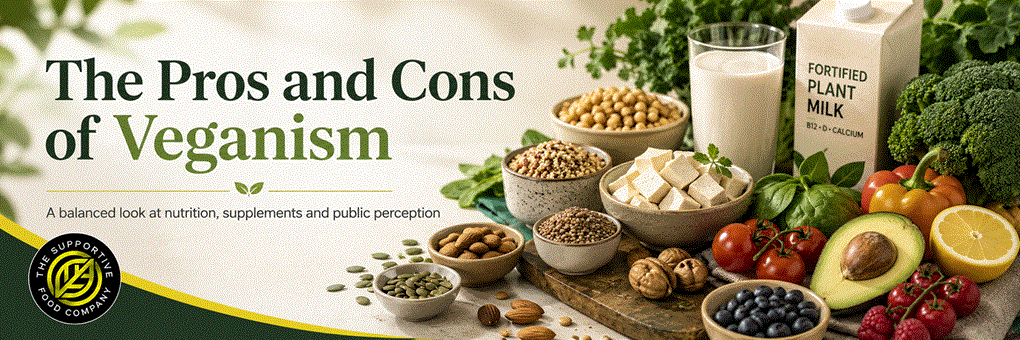
The Pros and Cons of Veganism and the Vegan diet
Veganism and the Vegan diet is one of the most talked-about dietary choices of recent years. For some people, it is an ethical commitment. For others, it is a health decision, an environmental choice, or simply a way of eating more plants and fewer animal products.
Unfortunately, the public debate around veganism often becomes far too heated. On one side, vegan diets are sometimes presented as automatically superior. On the other, vegans are sometimes unfairly dismissed as extreme, impractical or nutritionally naïve. Neither view is especially helpful.
The truth is more balanced. A vegan diet can be healthy, varied and nutritionally adequate when it is well planned. It can also be poor, highly processed and nutritionally weak when it is badly planned. The same, of course, is true of many non-vegan diets.
What Is Veganism?
A vegan diet excludes animal products, including meat, fish, dairy, eggs and often honey. Instead, it is based on foods such as vegetables, fruit, beans, lentils, chickpeas, wholegrains, nuts, seeds, tofu, tempeh, soya products, fortified plant milks and plant-based alternatives.
The NHS vegan diet guidance describes a vegan diet as being based on plants and foods made from plants, while excluding foods that come from animals.
It is important to separate two things: veganism as a belief system and vegan food as a dietary option. Not everyone who buys a vegan sausage roll is making a political statement. Some people are allergic to dairy or eggs. Some are cutting down on meat. Some simply like the taste. Others are fully committed vegans. Food choices are not always tribal.
 The Pros of Veganism
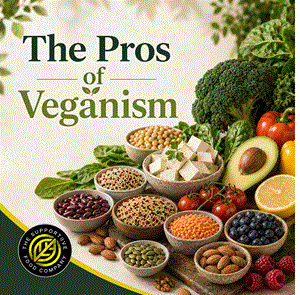
One of the strongest arguments for veganism is that it encourages people to eat more plant foods. Diets rich in vegetables, pulses, wholegrains, nuts and seeds can provide fibre, antioxidants and a wide range of beneficial plant compounds. Many people do not eat enough fibre or enough variety in their daily diet, and a well-planned vegan diet can push them in a better direction.
The NHS says that people can get the nutrients they need from a varied and balanced vegan diet that includes fortified foods and supplements where needed. This is an important point: a vegan diet is not automatically good or bad. It depends on how well it is put together.
Vegan diets can also be lower in saturated fat, especially when they are based on whole foods rather than heavily processed substitutes. Replacing some meat-heavy meals with beans, lentils, tofu, vegetables and wholegrains can be a positive step for many people.
There is also the environmental argument. Producing plant foods generally requires fewer resources than producing large quantities of meat and dairy, although this varies depending on the crop, farming system, transport, processing and waste. A diet does not have to be fully vegan to reduce environmental impact, but vegan diets can be part of that discussion.
For many vegans, animal welfare is the central point. Whether or not someone agrees with veganism, it is reasonable to recognise that some people choose this diet because they do not want animals used for food production. That is a moral position, not a nutritional one, and it should be discussed respectfully.
Another benefit is that veganism has helped broaden food choice. Supermarkets, cafés and restaurants now provide more options for people who avoid dairy, eggs or meat. This can help vegans, vegetarians, people with allergies, people avoiding certain foods for religious reasons, and ordinary consumers who simply want more variety.
 The Cons of Veganism
The biggest nutritional concern with veganism is not usually protein, despite what many headlines suggest. Protein can be obtained from lentils, beans, chickpeas, tofu, tempeh, soya foods, seitan, nuts, seeds and protein powders if needed. Athletes, older adults and people with higher protein needs may need to pay more attention to total protein intake, but vegan protein is not impossible or mysterious.
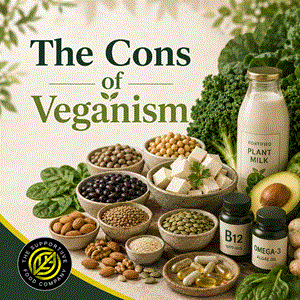
The more important concern is micronutrients. Vitamin B12 is not reliably available from ordinary plant foods, so vegans need fortified foods or a supplement. Vitamin D, iodine, selenium, calcium, iron, zinc and omega-3 fats also need attention. This does not mean veganism is automatically unhealthy. It means it requires planning.
The NHS guidance on vegan diets specifically advises fortified foods or supplements for nutrients that can be harder to obtain through a vegan diet, including vitamin D, vitamin B12, iodine, selenium and calcium.
Iron from plant foods is less easily absorbed than iron from meat, although vitamin C can improve absorption. Calcium can be obtained from fortified plant milks, calcium-set tofu, leafy greens and other sources, but people need to choose these foods deliberately. Iodine is another nutrient that can be missed, especially if dairy and fish are removed without suitable replacements.
The NHS also notes that people following a strict vegan diet may want to consider iodine-fortified foods or an iodine supplement, ideally with advice from a healthcare professional.
Another issue is the rise of ultra-processed vegan foods. A vegan label does not automatically mean healthy. Vegan biscuits, crisps, cakes, fake meats and pastries can still be high in salt, sugar, refined starches and poor-quality fats. They may be useful as convenience foods, but they should not be mistaken for the foundation of a healthy diet.
The British Heart Foundation makes this point clearly in its guide to keeping a vegan diet balanced, explaining that a vegan diet is not automatically healthy and still needs to be balanced carefully.
 The Image Problem
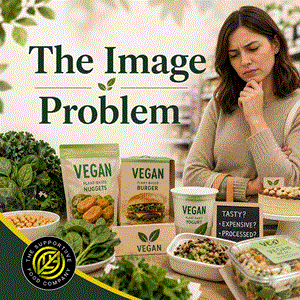
There is also a social and cultural problem. The word “vegan” can put some people off before they even consider the food. Some customers associate vegan branding with activism, rebelliousness, restriction or a particular lifestyle image. That may be unfair, but it is real.
For businesses, “plant-based,” “meat-free,” or “suitable for vegans” can sometimes be more welcoming than presenting a product as being only for vegans. The food itself may be perfectly sensible, tasty and inclusive, but the branding can sometimes make people feel that it belongs to a particular group rather than to everyone.
This is a shame, because good vegan food does not need to be ideological. A lentil soup, vegetable curry, bean chilli, hummus, oat milk coffee or tomato pasta dish can simply be good food. It does not need to arrive with a lecture attached.
Supplements Are Not a Weakness
One unfair criticism is that veganism is flawed simply because some nutrients need supplementation. In reality, many modern diets rely on fortified foods or supplements. Vitamin D is commonly supplemented in many countries. Breakfast cereals are often fortified. Plant milks may be fortified with calcium, vitamin B12 and vitamin D.
The sensible question is not whether a diet uses supplements. The sensible question is whether the person following the diet is actually meeting their nutritional needs.
For vegans, a basic supplement strategy can be very practical. Vitamin B12 is essential. Vitamin D may be needed, especially in countries with limited sunlight. Iodine, selenium and algae-based omega-3 may also be worth considering depending on the diet.
Anyone with medical conditions, pregnancy, breastfeeding, childhood nutrition needs or complex health concerns should seek professional advice from a qualified health professional or registered dietitian.
Veganism Is Not One Diet
A whole-food vegan diet based on lentils, vegetables, tofu, oats, fruit, nuts, seeds and fortified foods is very different from a diet based on vegan sausage rolls, chips, sweets and fizzy drinks. Both may be vegan, but they are not nutritionally equal.
Likewise, an omnivorous diet based on fish, eggs, vegetables, fruit, fermented dairy and modest portions of high-quality meat is very different from one based on processed meats, sugary drinks and fried food. The label alone does not tell us enough.
This is why the debate should move away from “vegan good” or “vegan bad.” The better question is: what is the overall quality of the diet?
 A More Sensible Middle Ground
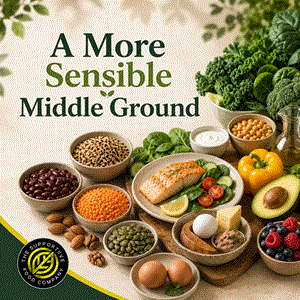
For many people, the best answer may not be strict veganism or heavy meat consumption. A flexible approach can work well: more vegetables, more pulses, more wholegrains, more nuts and seeds, less ultra-processed food, and more thought about where food comes from.
Some people will choose to be fully vegan, and with good planning they can do that healthily. Others may choose a vegetarian, pescatarian, flexitarian or traditional omnivorous diet. The aim should be better nourishment, not food tribalism.
Businesses and community food projects should also be careful with language. “Suitable for vegans” is useful information. But if every product is loudly branded as “vegan,” some customers may assume it is not for them. A better approach may be to lead with flavour, quality, farming values and nutrition, then clearly note dietary suitability.
Food should invite people in, not push them into camps.
 Conclusion
Veganism has clear advantages. It can encourage higher intakes of plant foods, reduce reliance on animal products, support animal welfare concerns and lower environmental impact. It has also helped increase food choice for many people.
But it also has disadvantages. It requires planning, especially for vitamin B12, iodine, vitamin D, calcium, iron, zinc, selenium and omega-3 fats. It can become unhealthy if based too heavily on ultra-processed vegan products. It can also suffer from a public image problem when it is presented as a lifestyle identity rather than a practical food option.
The fairest conclusion is this: veganism can be healthy, but it is not automatically healthy. Omnivorous diets can be healthy, but they are not automatically healthy either.
The real priority should be good food, responsible nutrition, clear labelling and respect for different choices. A well-fed society does not need more food wars. It needs better information, better farming, better cooking and better access to nourishing food.
Home | Food | Facebook | Other sources | Editors | Contact | Directory | Medical Sources | Nutritional Sources