
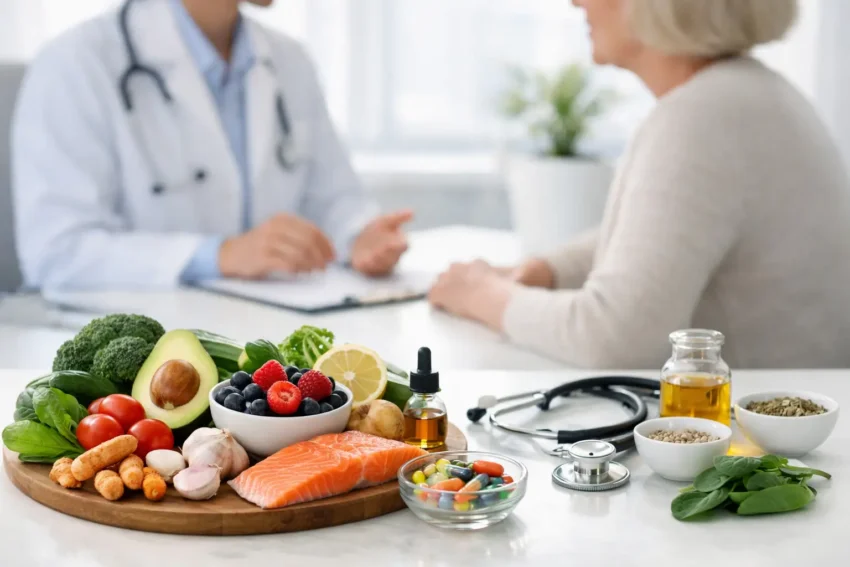
For someone living with diabetes, recovering from cancer treatment, caring for a parent with dementia or simply trying to manage rising food bills, the question “what is food as medicine” is far from a wellness trend. It is about whether the food on the table can help a person feel stronger, steadier and better supported – and whether they can afford, find and prepare it with dignity.
Food as medicine recognises that what we eat affects health throughout life. It also recognises a harder truth: good advice means little when people face hunger, poor local provision, insecure housing, exhaustion or the impossible choice between heating and a proper meal. Nutrition belongs in conversations about healthcare, but so do fairness, income and access.
What is food as medicine?
Food as medicine is an approach that uses nourishing, culturally meaningful food as part of preventing illness, supporting treatment and managing long-term health conditions. It is not a claim that a particular ingredient can cure disease. Rather, it asks how everyday eating patterns can work alongside medical care to improve wellbeing, symptoms and quality of life.
The focus is usually on the whole pattern of eating: plenty of vegetables and fruit, beans, pulses, wholegrains, nuts and seeds where suitable, and varied sources of protein. It also considers less visible influences, such as hydration, regular meals, appetite, digestion, food skills, culture, company and the ability to buy fresh food nearby.
This approach has roots in common sense and in a growing body of nutrition research. Diet can influence blood sugar, blood pressure, cholesterol, bowel health, inflammation risk, energy levels and body weight. For some people, improving food quality also creates a sense of agency at a time when illness can make life feel frighteningly out of control.
Support, not a substitute for treatment
The phrase can be misused when it is presented as an alternative to medical treatment. Food does not replace insulin, chemotherapy, antibiotics, surgery, prescribed medicines or professional clinical advice. Claims that a restrictive diet, juice plan or expensive supplement can cure serious illness can cause real harm, particularly when they encourage people to delay care.
A more honest view is that food may support the body and the person through treatment. Someone undergoing cancer treatment may need energy-dense meals and protein when appetite is poor. A person with high blood pressure may benefit from reducing salt and eating more potassium-rich foods if appropriate for them. Someone with type 2 diabetes may find that fibre-rich meals and regular eating help smooth blood glucose levels. The right advice depends on the condition, treatment, symptoms and individual circumstances.
How food can support health
Food works through many connected pathways. Fibre from oats, beans, vegetables and wholegrains supports bowel function and helps feed beneficial gut bacteria. Protein helps maintain muscle, which matters greatly in later life, during recovery and when illness has caused weight loss. Unsaturated fats from foods such as olive oil, rapeseed oil, nuts, seeds and oily fish can support heart health when they replace large amounts of saturated fat.
The benefit rarely comes from one fashionable food. It comes from repetition: a breakfast that keeps someone full, vegetables added to a familiar supper, water within reach, or a regular lunch that prevents a late-afternoon energy crash. Small changes matter because they are more likely to fit real lives.
Food can also support emotional wellbeing. Cooking with a neighbour, sharing a meal after bereavement, growing herbs on a windowsill or returning to a cherished family dish can restore connection. That does not make food a cure for loneliness, anxiety or depression, but it does show why nourishment is more than a calculation of nutrients.
Where food as medicine can be most useful
Food as medicine has particular relevance in preventing and managing common long-term conditions, including heart disease, type 2 diabetes and obesity. Dietary changes can help improve cardiovascular risk factors, and weight loss may improve blood glucose management for some people. Yet neither health nor weight should be treated as a moral test. Bodies respond differently, and people deserve respectful care at every size.
For digestive conditions, the picture is more individual. More fibre may help many people, but it can worsen symptoms during a flare of some bowel conditions. For kidney disease, potassium, phosphate, protein and fluid advice may need careful adjustment. People taking warfarin should not make major changes to vitamin K-rich foods without speaking to the clinician managing their medication.
Cancer nutrition also demands care. During treatment, the priority may be maintaining weight, strength and hydration rather than pursuing an idealised diet. Advice online often tells people to cut out whole food groups at the very moment they need nourishment. A registered dietitian or specialist clinical team can help make food choices safer and more realistic.
A practical food-as-medicine starting point
There is no single perfect menu. A useful starting point is to build on the food a person already eats, enjoys and can obtain. Instead of replacing every cupboard item, look for one or two changes that make meals more sustaining.
Try these four practical approaches:
- Add rather than restrict: add frozen vegetables to a curry, lentils to mince, or fruit to breakfast before deciding what must be removed.
- Make protein visible: include beans, eggs, yoghurt, fish, poultry, tofu, cheese or another suitable protein source across the day, especially if appetite is low or strength is a concern.
- Choose affordable staples: oats, tinned fish, tinned tomatoes, chickpeas, peas, wholemeal bread and frozen produce can be nourishing, convenient and less wasteful.
- Plan for difficult days: keep simple options available, such as soup, eggs on toast, yoghurt, microwavable grains or pre-chopped vegetables, when pain, fatigue or caring responsibilities make cooking harder.
The best plan is one that survives a busy week. If fresh produce regularly goes off before it is used, frozen and tinned versions are sensible choices, not second-best failures. If dental problems make raw vegetables difficult, softer cooked vegetables, soups and stews may be more appropriate. If cultural foods are central to family life, they should be respected and adapted only where there is a clear reason to do so.
Food as medicine must include access and dignity
Individual food choices take place inside a food system. It is unfair to tell people to eat more fresh produce while local shops sell mainly ultra-processed options, buses to a larger supermarket are limited, or household budgets have already been stretched beyond breaking point.
That is why food as medicine must involve more than leaflets in a surgery. It should mean better access to affordable nourishing food, support for independent farmers and ethical producers, practical cooking provision, community meals, food-growing projects and action to reduce food waste. It should also mean healthcare professionals asking whether a patient can afford food, store it safely and prepare it – without shame or judgement.
Social prescribing, community kitchens and food pantries can offer valuable support when they are designed around choice and dignity. Emergency food aid is necessary in a crisis, but it cannot be the long-term answer to poverty. A fairer system would make good food ordinary and accessible, not a reward reserved for those with time, money and transport.
Supportive Food Directory believes this connection matters: the wellbeing of people, the resilience of farmers and the health of communities are not separate issues. When local food knowledge and local producers are valued, everyone has more opportunity to participate in a healthier food culture.
When to seek personalised advice
General nutrition guidance is useful, but some situations need individual support. Speak with a GP, registered dietitian, pharmacist or relevant specialist team if you have unintentional weight loss, swallowing problems, persistent vomiting or diarrhoea, a diagnosed eating disorder, kidney disease, diabetes treated with medication, cancer treatment, or a condition requiring a therapeutic diet.
It is also wise to seek advice before using high-dose supplements, herbal products or elimination diets. “Natural” does not automatically mean safe, and supplements can interact with medicines or be a costly distraction from the basics of regular, adequate meals.
Food as medicine begins with a generous idea: every person deserves the chance to be nourished. Start where you are, make one workable change, share knowledge without judgement, and keep insisting that good food should be within reach of every community.