
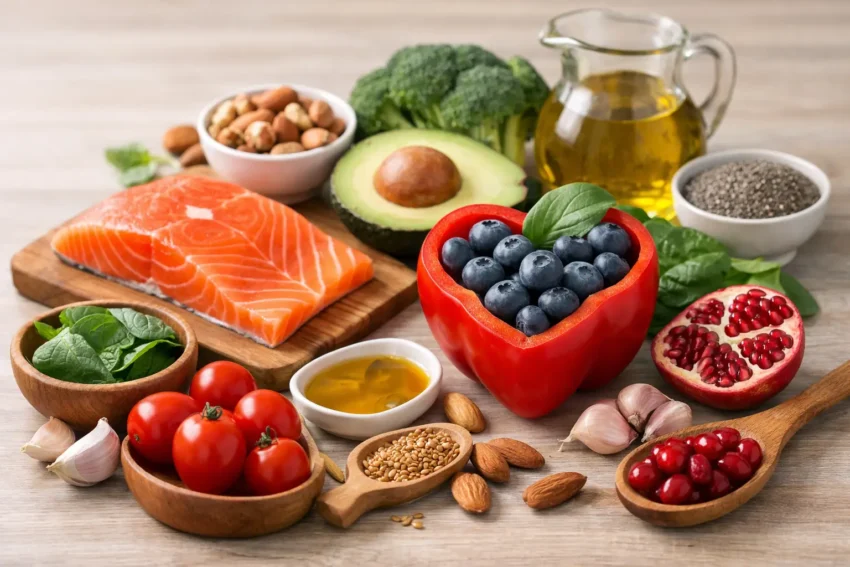
A tin of beans, a bowl of porridge and a handful of frozen berries may not look like a heart-health revolution. Yet these everyday foods can help shift the balance of a person’s diet towards more fibre, healthier fats and less salt. When people ask what foods support heart health, the most useful answer is not an expensive shopping list. It is a pattern of eating that is realistic, enjoyable and possible to sustain.
Heart disease is shaped by many factors, including age, family history, smoking, movement, stress, sleep, income and access to healthcare. Food cannot erase every risk. But regular meals built around plants, minimally processed ingredients and appropriate portions can support blood pressure, cholesterol and blood sugar management. That matters whether you are living with heart disease, caring for someone else, or hoping to protect your health before problems develop.
What foods support heart health most reliably?
The strongest evidence points towards a varied, largely plant-forward way of eating. This does not require everyone to become vegetarian, nor does it mean never eating a biscuit, a roast dinner or a meal shared with family. It means making foods that nourish the heart the everyday foundation, while highly salted, sugary and heavily processed foods become less frequent rather than routine.
Fibre-rich foods help do quiet, valuable work
Oats, wholemeal bread, brown rice, wholewheat pasta, barley, beans, lentils, chickpeas, peas, vegetables, fruit, nuts and seeds all contribute fibre. Soluble fibre, found particularly in oats, pulses, apples and some fruit, can help lower LDL cholesterol, often called non-HDL or ‘bad’ cholesterol in everyday conversation.
Fibre also supports fullness and steadier energy after meals. That can be useful for people managing weight or type 2 diabetes, both of which are closely connected to cardiovascular risk. If your current diet is low in fibre, increase it gradually and drink enough fluid. A sudden large increase can cause uncomfortable bloating.
Pulses deserve special attention because they are affordable, filling and versatile. Add lentils to a shepherd’s pie, mix chickpeas into a traybake, use butter beans in a tomato stew, or choose reduced-salt baked beans on wholemeal toast. Dried pulses are usually the cheapest option, but tinned varieties are still a good choice, especially when time, energy or cooking facilities are limited.
Fruit and vegetables bring more than vitamins
Fruit and vegetables provide potassium, fibre and a wide range of naturally occurring plant compounds. Potassium can help counter the effects of sodium for many people, though anyone with kidney disease or taking certain medicines should ask their clinician before deliberately increasing high-potassium foods.
Fresh produce is wonderful, but it is not the only form that counts. Frozen spinach, peas, berries and mixed vegetables can reduce waste and often cost less. Tinned tomatoes, sweetcorn and fruit in juice can also help, provided you check for added salt, syrup or sugar. A bag of imperfect carrots or a reduced-price cauliflower still carries the same potential to support a nourishing meal.
Aim to make vegetables and fruit visible in daily eating rather than treating them as a decorative side. Stir vegetables into soups, curries and pasta sauces. Keep fruit where it is easy to reach. A banana, pear or satsuma is often a more practical snack than advice that assumes everyone has time to prepare elaborate recipes.
Choose unsaturated fats more often
Not all fats affect the heart in the same way. Olive oil, rapeseed oil, avocados, unsalted nuts, seeds and oily fish contain mainly unsaturated fats. Replacing some saturated fat with unsaturated fat can help improve cholesterol levels.
In British kitchens, rapeseed oil is a useful everyday option for roasting, frying and dressings. Olive oil works well too, particularly in salads, vegetables and Mediterranean-style dishes. A small handful of unsalted nuts or seeds can be a satisfying addition to breakfast or a snack, although portions matter because they are energy dense.
Oily fish such as salmon, sardines, mackerel, herring and pilchards provides omega-3 fats. Two portions of fish a week, including one portion of oily fish, is a commonly used guide. Tinned sardines or mackerel can be a lower-cost choice than fresh fillets. If you do not eat fish, walnuts, chia, flaxseed and rapeseed oil offer plant sources of omega-3, although they are not identical to the omega-3 fats in fish.
Reduce the foods that push risk upwards
Heart-supportive eating is also about what becomes less regular. Processed meats such as bacon, sausages, ham and salami are often high in salt and saturated fat. Pastries, cakes, crisps, takeaways, ready meals and some breakfast cereals can contribute more salt, sugar and less helpful fats than people realise.
This is not a call for guilt. Food can be comfort, culture, celebration and connection. The practical question is frequency and proportion. If a takeaway is the only manageable meal on a difficult evening, it is still better to eat than to go without. On other days, small swaps can help: choose a tomato-based sauce rather than a creamy one, add a side of vegetables, share chips, or cook an extra portion of a bean-based meal for the freezer.
Salt, blood pressure and the hidden ingredients problem
High blood pressure is one of the major drivers of heart attack and stroke, and too much salt can raise it. Most salt in the UK diet comes not from the salt cellar but from packaged bread, sauces, cheese, processed meat, soups, savoury snacks and ready-made meals.
Labels can help, but they should not become another burden. Compare similar products where you can and favour lower-salt versions. Rinsing tinned beans can reduce some sodium. Flavour food with garlic, onions, ginger, chilli, black pepper, lemon, vinegar and herbs rather than relying on salt alone.
People with diagnosed high blood pressure, heart failure, kidney disease or diabetes may need more individual advice. The same applies to anyone taking medicines that affect fluid balance, potassium or cholesterol. Dietary changes work best alongside appropriate medical care, not in place of it.
Build heart-supportive meals without chasing perfection
A useful approach is to picture a meal with plenty of vegetables or fruit, a fibre-rich carbohydrate, a protein source and a modest amount of unsaturated fat. For example, porridge with berries and ground flaxseed; jacket potato with beans and salad; vegetable and lentil soup with wholemeal bread; or grilled mackerel with potatoes and greens.
For a Sunday meal, this might mean serving more vegetables, choosing leaner cuts of meat, keeping the skin off chicken where possible, and using rapeseed oil for roasting. Familiar meals do not need to disappear. They can be adjusted with care, respecting both budget and tradition.
Cost is real, and health advice that ignores it can feel hollow. Planning around store-cupboard foods, buying frozen produce, cooking enough for leftovers and choosing own-brand wholegrains can all make a difference. Community food projects, food co-operatives, growers, local markets and food-sharing schemes can also strengthen access where they exist. Good food should not be a privilege reserved for people with spare money, time and transport.
The wider issue: heart health needs food justice
It is difficult to ask people to eat more fresh food when shops are distant, wages are stretched and affordable options are dominated by ultra-processed products. Individual choices matter, but so do the conditions in which those choices are made.
Supporting local growers, protecting fair access to land, reducing food waste and ensuring dignified food provision are heart-health issues as much as environmental or economic ones. A person cannot build a balanced plate from advice alone. They need reliable income, safe housing, accessible shops and the confidence to cook food that suits their life.
At Supportive Food Directory, we believe shared knowledge should lead to shared action. Start with one manageable change this week: add oats to breakfast, cook a pot of lentils, swap one processed snack for fruit and nuts, or choose a lower-salt cupboard staple. Then keep asking the larger question too: what would it take for everyone in our communities to have that same chance to eat well?