
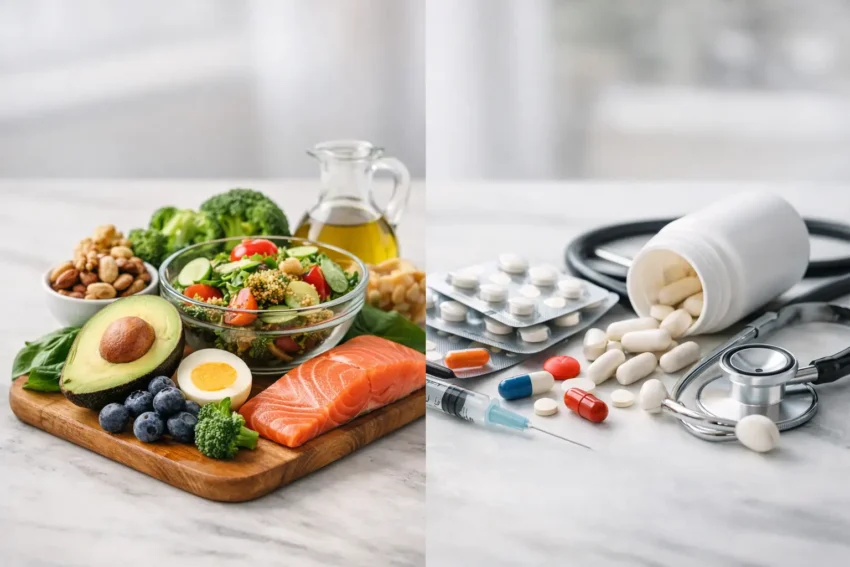
A prescription can lower blood pressure, steady blood glucose or ease pain within days. A nourishing meal may not produce that same immediate change, but it can help a person maintain strength, tolerate treatment and build habits that support health for years. Nutrition therapy versus medication is not a choice between natural and medical care. For many people, the safest and most effective answer is thoughtful use of both.
This matters because people living with cancer, diabetes, heart disease, digestive illness or obesity are often given mixed messages. Food may be presented as a cure-all, while nutrition is sometimes treated as an optional extra once medicines have been prescribed. Neither view serves patients, carers or communities well.
Nutrition therapy versus medication is not a competition
Medication has an essential place in modern healthcare. Antibiotics can treat bacterial infections. Insulin can be life-preserving for people with type 1 diabetes and vital for many with type 2 diabetes. Blood pressure medicines, statins, inhalers, antidepressants, pain relief and cancer treatments can reduce serious risk, manage symptoms and extend life. Choosing food does not mean rejecting these tools.
Nutrition therapy is different from general healthy-eating advice. It is the planned use of food, nutrients and eating patterns to help manage a medical condition, reduce symptoms, prevent complications or support recovery. It may involve a dietitian helping someone with kidney disease manage potassium and protein, a cancer team addressing unintentional weight loss, or a clinician supporting a person with type 2 diabetes to improve blood glucose through regular, balanced meals.
The two approaches work on different timescales and in different ways. Medication may target a specific biological pathway quickly. Nutrition can influence energy, digestion, muscle mass, blood lipids, blood glucose, inflammation-related risk factors and overall resilience. It also reaches beyond the clinic: food is part of daily life, family routines, culture, budget and dignity.
When medication needs to come first
There are situations where delaying medicine in favour of dietary changes is dangerous. Symptoms such as chest pain, sudden weakness on one side of the body, severe breathlessness, confusion, signs of sepsis, severe allergic reaction, diabetic ketoacidosis or a mental health crisis need urgent medical assessment. Food is not emergency treatment.
People should also be cautious about stopping or reducing prescribed medication because they feel better after changing their diet. Improvements in weight, blood pressure or glucose can sometimes mean a medicine needs reviewing, but that review should be led by a GP, prescribing clinician or specialist. Some medicines must be reduced gradually, while others need close monitoring to prevent harm.
This is especially relevant for diabetes medicines. A lower-carbohydrate eating pattern, weight loss, reduced appetite during illness or increased physical activity can all lower blood glucose. For someone taking insulin or certain glucose-lowering tablets, this may increase the risk of hypoglycaemia. The answer is not to abandon nutrition change, but to make it with professional support and appropriate medication adjustment.
When nutrition therapy can make a major difference
Nutrition therapy is often most powerful when it is practical, tailored and sustained. It should account for a person’s diagnosis, treatment, appetite, finances, culture, cooking facilities and who is helping with meals. Advice that ignores these realities can add guilt without improving health.
For heart health, a pattern built around vegetables, fruit, pulses, wholegrains, nuts, seeds and unsaturated fats can support cholesterol and blood pressure management. This does not make statins or antihypertensives unnecessary for everyone. It can, however, strengthen the overall plan and may improve risk factors that medication alone cannot fully address.
For type 2 diabetes, eating regular meals with more fibre-rich foods and less reliance on sugary drinks and highly refined snacks may help improve glucose management. Some people benefit from weight loss; others need to focus first on food security, regular nourishment or preventing further weight loss. There is no single ‘diabetes diet’, and shame is never a treatment plan.
For cancer, the priority may be very different. During chemotherapy, radiotherapy or recovery from surgery, a person may need more calories and protein, not restrictive eating rules. When appetite is poor, small frequent meals, nourishing snacks and suitable fortified foods can help protect strength. Claims that a particular diet can cure cancer should be treated with great care, particularly when they encourage people to avoid treatment or lose needed weight.
Digestive conditions also show why individual guidance matters. More fibre can be helpful for many people, but not during every flare-up of inflammatory bowel disease or when someone has a bowel narrowing. A food that is beneficial for one person can cause pain, diarrhoea or anxiety for another.
The question to ask is: what does this person need now?
Good care starts with the problem in front of us, rather than ideology. Is a medicine controlling a dangerous symptom? Is nausea preventing someone from eating? Has a person’s food bill risen so sharply that fresh food is out of reach? Are swallowing difficulties, loneliness or exhaustion making meals hard to manage? These questions change the support that is needed.
A useful conversation with a healthcare professional may cover:
- what the medication is for, the expected benefit and possible side effects;
- whether food, alcohol, supplements or herbal products could interact with it;
- whether appetite, weight, blood tests or symptoms suggest a dietetic referral is needed;
- what changes are realistic within the person’s budget, energy and home life.
Supplements deserve particular caution. ‘Natural’ does not automatically mean safe. High-dose vitamins, concentrated herbal remedies and unregulated products can interact with blood thinners, chemotherapy, thyroid medication and many other treatments. A clinician or pharmacist can help check them before use.
Food access is part of treatment access
It is hard to talk honestly about nutrition therapy without talking about inequality. Advising people to eat more fresh produce, cook from scratch or buy specialist foods means little if they are choosing between heating, rent and groceries. Illness can reduce income, limit mobility and make it harder to shop or cook. Carers may be stretched beyond capacity.
This is why fair access to good food is a public-health issue, not a lifestyle preference. Community food projects, affordable local producers, social prescribing, practical cooking support, school meals and action against food waste all have a role. A health system that prescribes medicine but ignores hunger leaves part of the work undone.
Supportive Food Directory believes food knowledge should be shared without judgement and that farmers, producers, patients and professionals all belong in the same conversation. Better nourishment is not only about personal discipline. It depends on whether people can access food that is affordable, familiar, appealing and fit for the life they are actually living.
Building a safer combined plan
The strongest plan is usually modest enough to maintain. Rather than changing everything at once, a person might begin by adding a protein source at breakfast, keeping easy meals in the cupboard for difficult days, replacing one sugary drink, or asking for help with nausea and constipation. Small changes can be clinically meaningful when they are repeated.
Keep a simple record of symptoms, appetite, bowel changes, blood glucose where relevant, and any food changes. This gives a GP, nurse, pharmacist or dietitian something useful to work with. It can also reveal patterns: perhaps a medicine causes nausea at a certain time, or a particular meal helps someone maintain energy through the afternoon.
Medication should be respected for what it can do. Nutrition therapy should be respected for what it can make possible. Neither should be used to blame people for being unwell, and neither can replace the wider work of making good food and good healthcare available to everyone. The most humane approach is one that gives people reliable treatment, practical nourishment and the support to use both with confidence.