
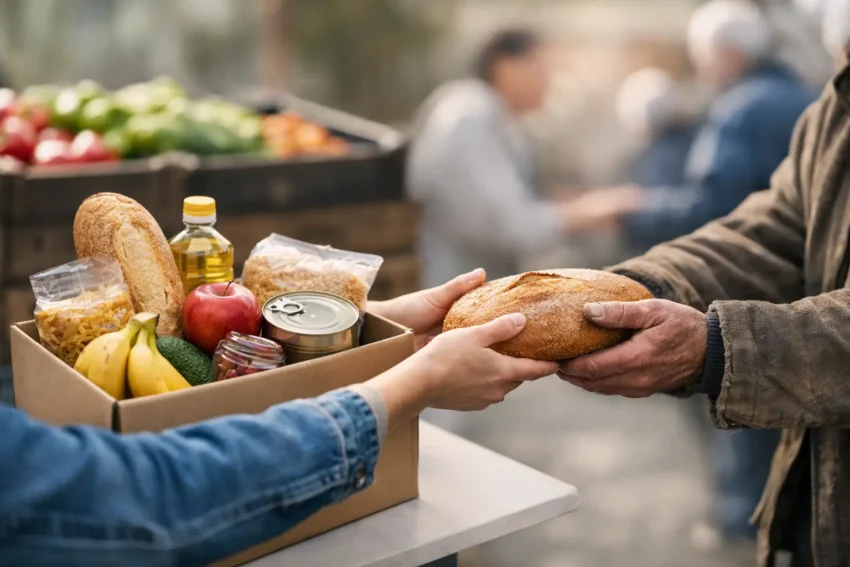
A cupboard can look full and still fail to provide enough food for a week. A parent may skip meals so children can eat. An older person may make tea and toast last because heating has taken priority. This guide to food insecurity starts there: with the reality that hunger is not always visible, and that no one should have to prove they are deserving of a decent meal.
Food insecurity is a public health issue, a cost-of-living issue and a question of fairness. It affects people living with long-term illness, people in insecure work, carers, pensioners, students, families and farmers whose own income has become unpredictable. It can be temporary after a sudden bill, or persist for years when low pay, poor health and high housing costs leave no room to recover.
What food insecurity really means
Food insecurity means not having reliable access to enough affordable, nutritious and culturally appropriate food. It is not simply about having nothing to eat. It also includes having to buy cheaper food that does not meet dietary needs, reducing portion sizes, missing meals, relying on others for food, or worrying constantly that money will run out before the next payment arrives.
This matters because food is more than fuel. It is part of health, identity, care and connection. A person managing diabetes may need regular meals and foods that help stabilise blood glucose. Someone receiving cancer treatment may need energy, protein or food that is easier to tolerate. A person with heart disease may be trying to reduce salt, while finding that the lowest-cost options are often highly processed and less suitable.
The phrase “healthy choices” can become unhelpful when choice is limited. People do not need lectures about budgeting when the money available does not cover food, rent, energy and travel. They need fair incomes, affordable local shops, accessible support and services that treat them with respect.
The four parts of food security
Food security depends on food being available, affordable, suitable and reliable. Food may be present in a local shop but priced beyond reach. It may be affordable but inaccessible to someone without transport, mobility or digital access. It may be available in an emergency parcel but unsuitable for an allergy, faith requirement, medical diet or lack of cooking facilities.
A fair response considers all four. A bag of food can be vital in a crisis, but it cannot replace a system where everyone has enough money, time, equipment and choice to eat well.
Why food insecurity harms health
The physical effects of hunger and poor diet can build quietly. Persistent worry about food can affect sleep, concentration and mental wellbeing. Irregular meals can make it harder to manage medication and conditions such as diabetes. Diets low in fibre, fruit, vegetables and protein may increase the risk of nutritional deficiencies, fatigue and poorer recovery from illness.
There is also a social cost. People may stop inviting friends round, avoid family meals, miss appointments because of travel costs or feel shame about asking for help. Children may struggle to focus at school. Carers may neglect their own needs while trying to protect the person they support.
Food insecurity does not mean someone has failed. It is often the predictable result of systems that make essentials unaffordable. Stigma is one of the reasons people wait until cupboards are empty before seeking help. Communities and services can make a real difference by asking about food with kindness and without judgement.
Recognising when support is needed
It can be difficult to name a problem when coping has become routine. Signs may include regularly skipping meals, buying food on credit, choosing between heating and eating, avoiding fresh food because it may go off, or having no money for food after bills are paid.
For health and care professionals, a gentle question can open a door: “Have you had enough food at home recently?” or “Is the cost of food making it harder to follow the eating advice you have been given?” The point is not to assess someone’s character. It is to understand what support is practical.
If a person is losing weight without meaning to, feeling weak or dizzy, unable to manage a condition because meals are irregular, or struggling to afford prescribed dietary needs, they should speak to a GP, specialist nurse, dietitian, pharmacist or social prescriber where available. Nutrition advice needs to be realistic about income, cooking equipment, energy costs and appetite, not built around an ideal shopping basket.
Practical help when food is running short
Asking for help is an act of care, not a cause for shame. Local options differ across Great Britain, but several routes may be worth trying at once. A GP surgery, school, children’s centre, housing officer, community worker or advice service may know what is available nearby and whether a referral is needed.
Food banks can provide urgent support, while community pantries, social supermarkets, community fridges and affordable meal projects may offer more regular help. Some areas have local welfare assistance through the council for people facing an emergency, though eligibility and application processes vary. Families with young children may also be eligible for Healthy Start support. Schools can advise on free school meals, breakfast clubs and holiday food provision.
For people who are unwell, housebound or caring for another person, access is not only about cost. Ask whether delivery, collection by a trusted neighbour, transport help or a home visit is possible. If someone cannot safely cook, practical options such as ready-to-eat meals, a kettle, microwave-safe foods or meal-sharing support may be more useful than ingredients alone.
When choosing food on a very tight budget, aiming for perfection is neither realistic nor necessary. Regular meals matter. Tinned beans, lentils, fish, tomatoes and vegetables; oats; eggs; frozen vegetables; yoghurt; potatoes; wholemeal bread where affordable; and supermarket own-brand staples can help build filling meals. But the right food depends on the person. Those with swallowing difficulties, kidney disease, bowel conditions, allergies or treatment-related side effects need individual advice.
A guide to food insecurity that looks beyond charity
Emergency food aid saves lives and deserves support. Volunteers, growers, neighbours and local organisations often work with remarkable compassion. Yet food banks were never meant to become a permanent substitute for a social security system that enables people to buy food with dignity.
Long-term change means tackling the causes: insecure work, inadequate benefits, unaffordable housing, debt, inaccessible transport, discrimination and gaps in health and social care. It also means protecting the people who grow, pack and sell food. Farmers and independent producers need fair returns if communities are to have resilient, sustainable local food systems.
Food waste is part of this picture, but it should be handled carefully. Redistributing surplus can help, especially in an emergency. It is not a complete answer if people are left dependent on whatever food happens to be left over. Everyone deserves choice, quality and consistency, not just excess.
What communities can do with purpose
Collective action works best when people with direct experience help shape it. A community meal should feel welcoming rather than charitable. A pantry should consider dietary needs and opening hours. A growing project should be paired with cooking facilities, skills-sharing and affordable access, rather than assuming everyone has land, time or energy.
Healthcare teams, local authorities, schools, faith groups, food producers and community organisations all have a role. They can share trusted information, reduce referral barriers, advocate for income security and create places where people can eat without being judged. Supportive Food Directory believes food justice and better health belong in the same conversation, because a nutrition message is only useful when people can act on it.
The most helpful question is not, “Why can’t people manage?” It is, “What would make it possible for everyone to eat well?” Each respectful conversation, fair policy and practical act of solidarity moves us closer to an answer – and closer to a food system built around dignity rather than crisis.