
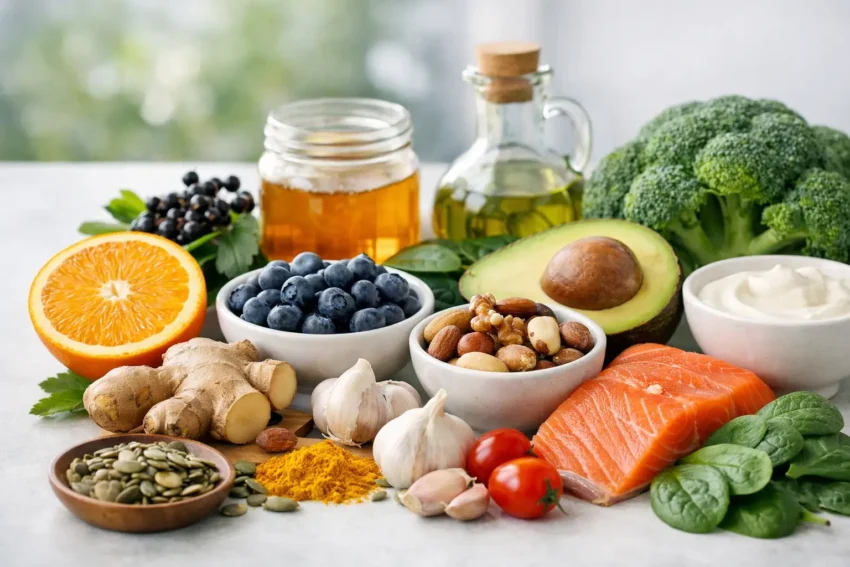
A punnet of berries or a bowl of soup cannot make anyone invincible. But the best foods for immune resilience can help give the body the steady supply of energy and nutrients it needs to respond, repair and recover. That matters most when life is already asking a lot of us: during cancer treatment, long-term illness, caring responsibilities, poor sleep, financial strain or the darker winter months.
Immune resilience is not about chasing a miracle food or swallowing ever more supplements. It is about supporting the ordinary work of the immune system through regular, nourishing meals, enough protein, a varied diet and food that is safe to eat. It is also shaped by housing, income, stress, access to healthcare and whether good food is genuinely available locally. We should never turn a public-health issue into an individual blame story.
The best foods for immune resilience are not a single superfood
The immune system relies on many nutrients working together. Protein helps make immune cells and antibodies. Vitamins A, C, D, B6, B12 and folate, alongside zinc, iron, selenium and copper, all have roles in normal immune function. Fibre helps feed beneficial gut microbes, which communicate with the immune system in ways researchers are still working to understand.
That is why variety matters more than perfection. A plate built around vegetables, fruit, pulses, wholegrains, protein-rich foods and modest amounts of healthy fats will usually do more than an expensive powder with a bold label. If your appetite, budget, culture or medical needs make that difficult, start with the foods you can reliably obtain and enjoy.
Colourful vegetables and fruit
Vegetables and fruit bring vitamin C, folate, carotenoids and a broad range of plant compounds to everyday meals. Red peppers, broccoli, cabbage, kale, carrots, tomatoes, peas, citrus fruit, berries and blackcurrants are all useful choices. Frozen and tinned options count too. They are often cheaper, reduce waste and can be easier to keep on hand when energy is low.
Aim for colour across the week rather than fixating on one ingredient. Add frozen spinach to a curry, tinned tomatoes to beans, grated carrot to a sandwich filling, or a piece of fruit alongside breakfast. For someone managing nausea, mouth soreness or altered taste during treatment, softer foods such as stewed fruit, vegetable soup or a smoothie may be more manageable. A dietitian can help when symptoms are making eating hard.
Beans, lentils and wholegrains
Chickpeas, lentils, peas, beans, oats, barley, wholemeal bread and brown rice provide fibre as well as vitamins and minerals. Their value is not glamorous, but it is profound. Fibre supports bowel health and helps nourish the gut microbiome, while pulses offer affordable plant protein.
Tinned beans and lentils are practical allies. Rinse them if you need to reduce salt, then stir them into soups, pasta sauces, shepherd’s pie or salads. If you have irritable bowel symptoms or are recovering from bowel surgery, high-fibre foods may need to be introduced gradually or adapted to clinical advice. More fibre is not automatically better for every person at every stage of illness.
Protein at regular meals
Protein is especially important for older people, people living with cancer or chronic disease, and anyone who has lost weight unintentionally. Include a protein food at meals where possible: eggs, yoghurt, milk, cheese, fish, chicken, tofu, tempeh, beans, lentils, nuts, seeds or lean meat.
The right choice depends on circumstances. Fish such as sardines, mackerel and salmon provide protein and omega-3 fats, but tinned sardines or mackerel are often the more affordable route. Eggs can make a quick, nourishing meal when cooking feels impossible. For people following a plant-based diet, combining pulses, soy foods, grains, nuts and seeds across the day can meet protein needs well.
Nuts, seeds and healthy fats
A small handful of unsalted nuts or seeds can add energy, protein, fibre and minerals such as zinc and selenium. Pumpkin seeds, sesame, peanuts, walnuts and sunflower seeds are all worth rotating. Nut butter on toast or stirred into porridge can be useful for someone who needs more nourishment in a small portion.
Brazil nuts are often mentioned for selenium, but more is not always better. One or two occasionally is plenty for most people, and regular large amounts can provide too much selenium. Food-based variety is safer than treating any one food as a medicine.
Fermented foods, if they suit you
Live yoghurt, kefir, some cheeses, sauerkraut and kimchi may support dietary diversity and gut health. Evidence around fermented foods and immunity is promising but still developing, so there is no need to force them into your diet. Choose plain yoghurt with fruit, for example, if you like it and can tolerate dairy.
Take extra care if you are severely immunocompromised, such as during certain cancer treatments or after a transplant. Food safety advice can differ, and some live products or unpasteurised foods may not be appropriate. Your clinical team should guide you here.
Build meals that work in real life
A resilient eating pattern must be realistic on a tired Tuesday, not only possible when time and money are plentiful. Start with one dependable meal formula: a wholegrain or starchy base, a protein food, vegetables or fruit, and a flavourful fat or sauce. Porridge with milk, fruit and seeds; jacket potato with beans and grated cheese; lentil soup with wholemeal toast; or tinned fish on toast with tomatoes all fit the principle.
Batch cooking can help, but it is not a moral duty. A freezer stocked with peas, mixed vegetables, bread and a few home-cooked portions is useful. So are tins of tomatoes, pulses and fish. Community food projects, food co-operatives, growing groups and local producers can make nourishing food more reachable, while also strengthening the local relationships that keep communities fed.
Food access is an immune-health issue. A person cannot simply choose fresh produce if they are facing high energy bills, inaccessible shops, inadequate transport or an empty fridge near the end of the month. Fair pay for growers, dignified food support and affordable healthy staples belong in the same conversation as vitamins and recipes.
Vitamin D, supplements and the limits of food
In the UK, sunlight is often insufficient for vitamin D production during autumn and winter. Government advice commonly recommends that adults consider a daily vitamin D supplement in these months, with year-round supplementation advised for some groups who have little sun exposure, darker skin or other risk factors. Individual needs vary, particularly for people with kidney disease, malabsorption, osteoporosis or certain medicines, so ask a pharmacist, GP or dietitian if unsure.
Do not assume that high-dose supplements are harmless. Zinc, vitamin A, selenium and iron can all cause problems in excess or interact with treatment. Iron should not be taken just because tiredness is present; low iron has several causes and needs proper assessment. Supplements can fill a demonstrated gap, but they cannot replace enough food, sleep, movement, vaccination or medical care.
Food safety is part of immune resilience
For people whose immune systems are weakened, preventing foodborne illness is as important as nutrient intake. Wash hands and produce, keep chilled food cold, cook meat and eggs thoroughly when advised, reheat leftovers until piping hot, and respect use-by dates. Avoid cross-contamination between raw meat and ready-to-eat foods.
If you are receiving chemotherapy, have had a transplant, are taking immune-suppressing medicines or have been told you are neutropenic, seek personalised food-safety guidance. Advice can vary by treatment centre and level of immune suppression. This is one area where general wellness messaging should give way to your clinical team’s instructions.
When eating needs more support
Seek help promptly if weight is falling without intention, swallowing is difficult, appetite has disappeared, diarrhoea persists, or fatigue makes preparing food unmanageable. A GP, specialist nurse, registered dietitian or pharmacist can help identify causes and practical options. For carers, offering small frequent meals, familiar foods and drinks with nourishment can sometimes be more helpful than pressuring someone to finish a large plate.
At Supportive Food Directory, we believe food knowledge should travel alongside dignity and access. A nourishing meal is never merely fuel. It can be care from a neighbour, fair income for a farmer, relief for a carer and one practical step towards a healthier community. Start with the next meal you can make, share or ask for help with, and let steady nourishment build from there.