
 Connecting Body, Soul & Spirit to Integrated Health Support
Integrated Health Support recognises that physical healing is rarely helped by medical treatment alone in isolation from the person receiving it.
The body may need clinical care, medication, surgery, nutrition, rest and rehabilitation. But the person also carries emotions, memories, fears, hopes, relationships, beliefs, appetite, stress responses and a need for meaning.
When body, soul and spirit are supported responsibly, we may help create better conditions for physical healing, resilience and recovery.
 What Is Integrated Health Support?
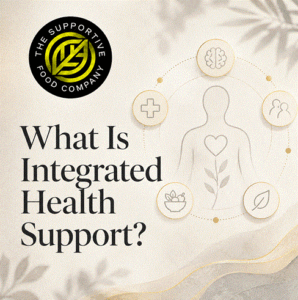
Integrated Health Support is a professional, person-centred approach to supporting people who are living with illness, recovering from treatment, managing long-term conditions or seeking better physical wellbeing. It brings together emotional support, practical support, supportive food, appropriate signposting, counselling-informed care, social connection and respect for the person’s inner life.
Why We Prefer “Integrated Health Support” to “Holistic”
The word “holistic” originally meant looking at the whole person rather than only one symptom. However, the word has become stigmatised in some circles because it is sometimes linked with unproven claims, miracle cures, anti-science ideas or treatments offered instead of medical care.
For that reason, Integrated Health Support is a clearer and safer phrase. It communicates three important principles:
- Integrated means the different parts of a person’s life are connected: physical health, emotional wellbeing, food, stress, relationships, faith, meaning and daily circumstances.
- Health keeps the focus on responsible wellbeing and the conditions that may support recovery.
- Support makes clear that we are not offering cures, alternatives or replacement treatment.
Other useful phrases may include person-centred health support, supportive health care, body-mind health support, restorative health support, joined-up supportive care and biopsychosocial support. However, for public-facing use, Integrated Health Support is strong because it sounds professional, practical and collaborative.
 The Role of Counselling in Integrated Health Support
As trained counsellors or counselling-informed supporters, the role is not to diagnose physical disease or offer medical treatment. The role is to support the emotional and psychological wellbeing of the person, helping them process what is happening and find steadier ways to cope.
Illness can raise difficult questions:
- How do I live with uncertainty?
- How do I talk to my family about my diagnosis?
- How do I cope with fear without pretending I am fine?
- How do I ask for help without feeling like a burden?
- How do I keep going when treatment is exhausting?
- How do I deal with guilt, anger or grief?
- How do I reconnect with meaning when life has changed?
These questions matter. They affect how people sleep, eat, communicate, attend appointments, make decisions and maintain hope. Integrated Health Support gives these questions a responsible place alongside medical care.
 Connecting Body, Soul and Spirit Without Making False Claims
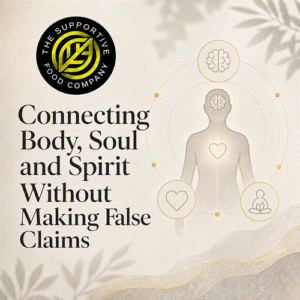
When we speak about body, soul and spirit, we must do so with care. People understand these words differently. For some, spirit means faith, prayer, relationship with God, forgiveness, peace or worship. For others, spirit may mean courage, hope, purpose, values, creativity, gratitude, love, dignity or the will to keep going. Soul may describe the emotional and inner life of a person: grief, fear, identity, longing, memory, conscience and meaning.
Integrated Health Support does not impose a belief system. It does not say that illness is caused by a lack of faith, poor thinking or emotional weakness. It does not tell people that they can cure disease by being positive. In fact, such claims can be harmful because they may leave people feeling guilty when they are already suffering.
Instead, Integrated Health Support recognises that illness affects the whole experience of being human. A diagnosis can affect the body, but it can also affect confidence, relationships, appetite, sleep, finances, work, family roles, faith, identity and hope. If those areas are ignored, the person may feel treated as a condition rather than cared for as a human being.
The aim is not to replace physical treatment with emotional or spiritual support. The aim is to support the person who is receiving treatment, so they are less isolated, better nourished, more emotionally steady and more able to participate in their own care.
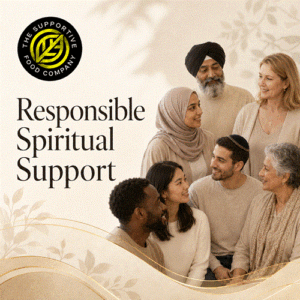 Responsible Spiritual Support
Spiritual support can be deeply meaningful, but it must be handled sensitively. Some people want prayer, scripture, pastoral care or faith-based encouragement. Others do not. Some people have been hurt by religious language, while others draw enormous strength from it.
Integrated Health Support should always respect consent, dignity and personal belief. It should never imply that illness is punishment, that lack of faith prevents healing or that medical treatment shows a lack of trust. Responsible spiritual support is gentle, person-led and never coercive.
At its best, spiritual support can help people reconnect with peace, courage, forgiveness, hope, gratitude, identity and meaning. These may not “cure” disease, but they can help a person feel less lost while facing disease.
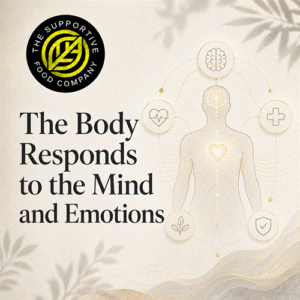 The Body Responds to the Mind and Emotions
The body and mind are deeply connected. Psychological distress is not “imaginary”. Stress can affect the nervous system, heart rate, blood pressure, hormones, digestion, sleep, appetite, muscle tension, pain sensitivity and immune activity.
The American Psychological Association explains that stress affects many systems of the body, including the musculoskeletal, respiratory, cardiovascular, endocrine, gastrointestinal and nervous systems. Short-term stress can help a person respond to danger. But when stress becomes long-term or chronic, the body can remain in a state of strain.
This matters for Integrated Health Support because many people living with illness are not only dealing with symptoms. They may also be dealing with fear, waiting lists, financial pressure, isolation, pain, uncertainty, family responsibilities, side effects, medical appointments and the emotional shock of diagnosis. These pressures can increase the load on an already vulnerable body.
To be clear, this does not mean stress “causes” every disease. It does not mean people are responsible for becoming ill. But it does mean that emotional distress can become part of the physical environment in which treatment, recovery and healing are taking place.
 What Evidence Supports Integrated Health Support?
The evidence should be described carefully. A healthy state of mind and body should not be presented as a guaranteed cure for disease. However, there is strong reason to believe that psychological wellbeing, reduced distress, supportive relationships, nutrition, sleep and practical care can influence recovery conditions, treatment tolerance, self-care and quality of life.
1. Stress Can Affect Wound Healing
Wound healing is a useful example because it is a physical process that can be measured. A review on psychological stress and wound healing reported that stress and behavioural factors can affect wound repair, and that the relationship between stress and wound healing is clinically relevant.
This does not mean emotional calm alone heals wounds. Wounds still need proper medical care, hygiene, nutrition, oxygenation, infection control and clinical monitoring. But it does suggest that stress, sleep, nutrition and emotional strain may affect the body’s repair processes. Integrated Health Support can therefore play a responsible role by helping reduce distress, encouraging rest, supporting nutrition and helping people follow medical guidance.
2. Psychological Health and Heart Health Are Connected
The American Heart Association has highlighted the connection between psychological health, wellbeing and cardiovascular health. It recognises that negative psychological factors such as depression, chronic stress, anxiety and pessimism can affect cardiovascular health, while positive psychological health may support healthier behaviours and better wellbeing.
This does not mean heart disease is simply emotional. Heart disease involves complex medical, genetic, lifestyle, environmental and social factors. But Integrated Health Support can still be valuable because stress management, emotional support, supportive food, movement as medically advised, social connection and adherence to treatment can all matter in cardiovascular care.
3. Depression Can Affect Self-Care in Long-Term Illness
Many health conditions require daily participation from the person affected. Diabetes, for example, may involve medication, food choices, glucose monitoring, physical activity, appointments and symptom awareness. Depression can make these tasks much harder.
A meta-analysis on depression and diabetes treatment non-adherence found that depression was significantly associated with poorer diabetes self-care. This is a practical example of why emotional support matters. If a person is overwhelmed, ashamed, exhausted or hopeless, they may struggle to follow the very treatment plan that could help them.
Integrated Health Support can help by reducing shame, improving confidence, supporting routines, encouraging appropriate medical follow-up and helping the person feel less alone.
4. Social Connection Can Influence Health Outcomes
Illness can isolate people. Pain, fatigue, embarrassment, anxiety, reduced mobility and treatment schedules can all reduce social contact. Yet connection is not a luxury. A large review published in PLOS Medicine found that stronger social relationships were associated with increased likelihood of survival.
This does not make friendship a medical treatment in the same way that surgery or medication is treatment. But it does show that supportive relationships can be deeply relevant to health. People who are supported may be more likely to attend appointments, eat properly, report symptoms, follow care plans and continue through difficult treatment.
5. Nutrition Can Affect Strength, Recovery and Treatment Tolerance
Food does not replace medical treatment. But nourishment matters because the body needs energy, protein, vitamins, minerals, fluids and other nutrients to function and repair. The National Cancer Institute notes that nutrition status before and during cancer treatment can influence a patient’s ability to tolerate therapy.
This is central to The Supportive Food Company’s purpose. Supportive food is not about claiming that one special diet cures disease. It is about helping people access food that is suitable, nourishing, manageable, safe, comforting and appropriate to their condition. In some circumstances, that may require guidance from a doctor, dietitian, speech and language therapist or specialist nurse.
Integrated Health Support understands food as both physical and emotional care. A meal can provide nutrients, but it can also provide comfort, dignity, routine, culture, memory and a sense that someone cares.
Integrated Health Support Is Not Positive Thinking
One of the most important safeguards in this work is to reject the idea that people must “think themselves well”. This idea can become cruel, even when it is presented kindly. It may imply that a person who remains ill has failed emotionally or spiritually.
The American Cancer Society explains that personality, thoughts and emotions do not cause cancer, and that research has not shown that keeping a positive attitude changes how long a person lives with cancer. It also notes that support groups, counselling and mind-body techniques may help some people feel less alone and manage symptoms or emotions related to cancer and treatment.
That is exactly the distinction Integrated Health Support must maintain. We are not saying:
- positive thinking cures disease;
- negative emotions cause illness;
- faith or spirituality should replace treatment;
- food should replace medication, surgery or specialist care;
- people are to blame if they do not recover;
- natural approaches are always safe;
- supportive care should delay medical attention.
Instead, we are saying that emotional support, supportive food, practical care, connection and meaning may help people cope better, engage with treatment, maintain strength and experience more dignity while receiving appropriate healthcare.
Body, Soul and Spirit in Practical Terms
For Integrated Health Support to be useful, it must become practical. Body, soul and spirit should not remain abstract words. They should guide the way we support real people in real situations.
Supporting the Body
Supporting the body may include encouraging appropriate medical care, nourishing food, hydration, rest, sleep, gentle movement where medically advised, symptom awareness, medication adherence and safe recovery routines. It may also include recognising when someone needs urgent medical attention rather than reassurance.
Supporting the Soul
Supporting the soul may include listening to grief, fear, anger, exhaustion, shame, confusion and uncertainty. It may include counselling-informed conversations, emotional regulation, trauma awareness, self-compassion and helping people feel seen rather than reduced to their illness.
Supporting the Spirit
Supporting the spirit may include helping people reconnect with hope, meaning, purpose, faith, prayer, forgiveness, gratitude, creativity, nature, family, community or values. This must always be led by the person’s own beliefs and preferences, not imposed by the supporter.
When these areas are connected responsibly, Integrated Health Support becomes a bridge between professional care and human care.
Examples of Integrated Health Support in Practice
Example 1: Recovery After Surgery
A person recovering from surgery may have a technically successful procedure but still feel frightened, weak, lonely or unsure how to manage at home. Integrated Health Support might include appropriate wound care guidance from clinicians, nutritious meals, help with shopping, emotional reassurance, support with appointments, rest routines and encouragement to follow rehabilitation advice.
The support does not replace surgery. It helps the person live through recovery with more stability and care.
Example 2: Cancer Treatment and Appetite Loss
A person receiving cancer treatment may experience nausea, taste changes, fatigue, anxiety, mouth soreness, depression or loss of appetite. Integrated Health Support might include oncology care, symptom management, dietetic advice, soft or high-protein foods where appropriate, counselling support, help from family or community and a safe place to discuss fear.
This approach does not claim that food or emotional support cures cancer. It recognises that nourishment, emotional steadiness and practical care may help the person tolerate treatment and maintain quality of life.
Example 3: Diabetes, Depression and Daily Self-Care
A person with diabetes may know what to do but feel too low or overwhelmed to do it consistently. Integrated Health Support might include medical care, emotional support, practical food planning, gentle routine-building, encouragement to attend appointments and help reducing shame.
In this example, psychological support strengthens medical care because it helps the person engage with the treatment plan.
Example 4: Long-Term Stress and Heart Health
A person under chronic stress may struggle with sleep, food choices, blood pressure, irritability, fatigue and motivation. Integrated Health Support might include medical review, stress management, counselling, supportive meals, social connection, practical help and safe movement where advised.
The aim is not to suggest that stress alone causes heart disease. The aim is to reduce avoidable strain and support healthier conditions around the person.
Example 5: The Exhausted Caregiver
Caregivers often place their own needs last. Over time, they may become physically depleted and emotionally overwhelmed. Integrated Health Support may involve respite, counselling, practical food help, peer support, sleep protection and encouragement to seek medical help for their own symptoms.
Supporting the caregiver can also support the person receiving care.
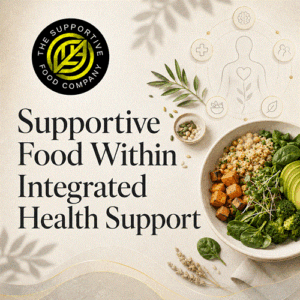 Supportive Food Within Integrated Health Support
Supportive food is one of the most practical parts of Integrated Health Support. Food can help sustain strength, comfort and dignity. But it must be approached responsibly.
We should avoid language such as “healing foods cure disease” or “this diet reverses illness”. Safer and more accurate language would be:
- supportive food may help nourish the body;
- appropriate nutrition may help maintain strength;
- some people need extra support with appetite, swallowing, nausea or fatigue;
- food choices should be adapted to the person and their medical circumstances;
- dietitians and healthcare professionals should guide complex medical nutrition needs.
For someone recovering from illness, supportive food might mean soups, soft foods, protein-rich meals, smoothies, fortified drinks, small frequent meals, culturally familiar food, easy-to-digest meals or whatever is recommended by their care team. For someone with kidney disease, diabetes, cancer treatment side effects, immune suppression, allergies, swallowing difficulties or eating disorders, nutrition must be handled with particular care.
Integrated Health Support does not promote one perfect diet. It promotes appropriate nourishment matched to the person.
Healing Conditions, Not Guaranteed Outcomes
It is important to distinguish between supporting healing conditions and promising healing outcomes. Integrated Health Support can help create better conditions around a person: less isolation, better nourishment, clearer support, reduced distress, more dignity, improved coping and stronger engagement with healthcare.
But no responsible supporter should promise that these things will cure disease. Physical healing depends on many factors, including diagnosis, stage of illness, medical treatment, genetics, immune function, nutrition, infection risk, age, environment, social support and access to care. Some of these factors are outside a person’s control.
That is why Integrated Health Support must be compassionate rather than blaming. The purpose is not to ask, “Why did this person become ill?” or “Why have they not healed?” The purpose is to ask, “How can we support them well, safely and respectfully?”
A Professional Statement of Our Approach
Our approach is one of Integrated Health Support. We recognise the connection between body, soul and spirit while fully respecting the role of medical care. We do not offer alternative cures, miracle solutions or replacements for healthcare. We offer support.
We believe that emotional wellbeing, supportive food, social connection, practical help, counselling-informed care and respect for the inner life of a person can all contribute to a more supportive healing environment. This may help people cope with illness, engage with treatment, maintain strength, reduce distress and experience greater dignity.
Integrated Health Support is not a rejection of medicine. It is a commitment to supporting the person who is receiving medical care.
Building This Understanding Together
This article is a starting point. The relationship between psychological wellbeing, supportive food, social connection, spiritual meaning and physical healing is a growing area of interest across healthcare, counselling, nutrition and lived experience.
We want to keep learning from medical research, healthcare professionals, counsellors, nutrition specialists, carers, patients, families and people with lived experience of illness and recovery. As we learn more, we can build a stronger, safer and more useful understanding of Integrated Health Support.
When our comments box is available, we invite you to join the conversation. Please share thoughtful reflections, lived experience, professional insight, useful research, supportive food ideas or questions that may help others.
Please keep comments responsible and respectful. This is not a place for miracle cures, anti-medical advice, fear-based claims or unverified treatment promises. It is a place for supportive, evidence-informed discussion about connecting body, soul and spirit to Integrated Health Support.
Medical note: This article is for education and supportive wellbeing only. It does not diagnose, treat, cure or prevent disease. It is not a substitute for medical advice, prescribed treatment, emergency care, dietetic guidance or psychological therapy from a qualified professional. Our approach is not an “alternative” to healthcare. It is Integrated Health Support: support that works alongside appropriate medical and health solutions.