
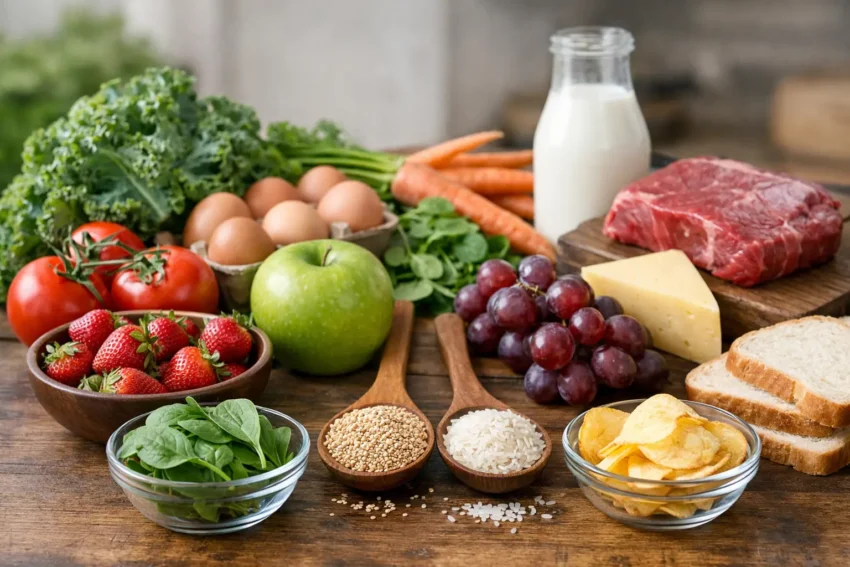
Is Organic Food Healthier? A Practical, Balanced Guide
Organic food can be a good choice, but it is not the only healthy choice. For many people, the real question is not simply whether organic food is “better”, but whether it is affordable, available, nourishing, and realistic for everyday life.
The most honest answer is this: organic food may reduce exposure to some pesticide residues and may reflect farming systems that place more emphasis on soil, animal welfare and biodiversity. However, organic does not automatically mean more nutritious, safer in every situation, or healthier than a simple, affordable meal made with conventional fruit, vegetables, pulses, grains and other whole foods.
Health does not come from a label alone. It comes from the overall pattern of what we eat, how much access we have to good food, how food is grown, and whether people can keep eating well without guilt or financial pressure.
What does “organic” usually mean?
Organic standards vary by country, but they usually describe how food is produced rather than guaranteeing that one food is nutritionally superior to another. Organic farming generally places limits on synthetic pesticides and fertilisers, avoids genetically modified crops in certified organic production, and sets rules around animal feed, medicines and welfare.
That matters. Farming methods affect soil, water, wildlife, farm workers, animals and communities. For many shoppers, organic food is not only a nutrition decision. It is also an environmental, ethical and food-system decision.
Even so, organic does not mean perfect. Organic farms can still use approved pest-control substances. Organic food can still be processed, high in sugar, high in salt, or low in fibre. Organic produce can still carry bacteria if it is not grown, stored, washed or handled safely.
Is organic food more nutritious?
This is where the answer needs to be careful. Research does not show that all organic food is dramatically more nutritious across the board. Some studies have found higher levels of certain antioxidants in some organic fruit and vegetables, and organic meat or dairy may differ in fatty acid profile because of differences in feed and farming systems.
Those differences can be interesting, but they should not be exaggerated. A person who regularly eats a variety of conventionally grown vegetables, fruit, beans, lentils, wholegrains, nuts, seeds and suitable protein foods is likely to be doing more for their health than someone who rarely eats fresh or whole foods but occasionally buys organic snacks.
The first priority is usually the quality and consistency of the overall diet. Organic may add value where it is affordable, but it is not a magic upgrade that turns an unbalanced diet into a healthy one.
Where organic food may offer an advantage
The strongest everyday argument for choosing organic is often about what may be reduced, rather than what is added. Organic food is commonly associated with lower exposure to some pesticide residues. For people who are pregnant, feeding young children, concerned about long-term chemical exposure, or simply wanting to reduce avoidable residues where possible, this can feel important.
Organic livestock standards may also restrict routine antibiotic use and set different expectations around feed and animal management. This is one reason some people prioritise organic eggs, milk, yoghurt, meat or poultry if their budget allows.
There is also a wider public health and environmental argument. Farming systems that use fewer synthetic inputs and place greater emphasis on soil health, biodiversity and water quality may support healthier landscapes over time. Food is never only about individual bodies. It is also about the land, workers, animals and supply chains behind the plate.
Organic does not always mean healthier food
This is the part food marketing often hides. Organic biscuits are still biscuits. Organic crisps are still crisps. Organic sugary cereals can still be low in fibre and high in sugar. An organic label can create a “health halo” around products that are still heavily processed.
For everyday health, a plain tin of beans, a bag of oats, frozen peas, lentils, carrots, cabbage, onions, eggs, brown rice or seasonal fruit may do far more good than an expensive organic snack with beautiful packaging.
A helpful question is not only “Is it organic?” but also:
- Is this food mostly whole or minimally processed?
- Does it help me eat enough vegetables, fruit, fibre or protein?
- Is it affordable enough to buy regularly?
- Will it fit the person’s appetite, culture, health needs and cooking ability?
- Does it support the kind of farming and food system I want to encourage?
What if your budget is limited?
If money is tight, do not let the organic debate stop you from buying nourishing food. Conventional fruit and vegetables are still valuable. Frozen vegetables, tinned tomatoes, beans, lentils, oats, rice, potatoes, seasonal produce and basic whole foods can form the foundation of a very supportive diet.
If you can only buy a few organic items, you might choose the foods you eat most often, foods eaten with the skin on, or animal products where farming standards matter most to you. Some people prioritise berries, apples, leafy greens, milk, eggs or meat. Others decide that local, seasonal, fairly produced or lower-waste food matters more than an organic label. These are personal and practical choices, not moral tests.
Washing fruit and vegetables under running water, peeling where appropriate, varying what you eat, and storing food safely can also help reduce residues and food safety risks. These habits matter whether food is organic or conventional.
Is organic food better for people with chronic illness?
This question deserves a compassionate answer. When someone is living with cancer, diabetes, cardiovascular disease, kidney disease, digestive problems, fatigue, appetite loss or treatment side effects, food choices can feel emotionally loaded. People often want the cleanest, safest and most supportive option possible.
Organic food may help some people feel more confident about reducing certain exposures. That peace of mind can matter. But there is no credible basis for claiming that organic food alone prevents, treats or cures serious illness.
For many people with long-term health conditions, the bigger priorities are enough nourishment, adequate protein, suitable fibre, hydration, blood sugar management where relevant, safe food handling, and meals that are realistic on difficult days. Some people may need softer foods, higher-calorie meals, lower-fibre choices, lower-salt choices, renal guidance, or advice tailored to medication and treatment.
If you are managing a medical condition, organic food can be one part of a supportive diet if it fits your needs and budget. It should not replace personalised advice from a qualified doctor, dietitian or specialist clinician.
Food fairness matters too
Any discussion about organic food should include cost and access. Organic food is often more expensive, and that can turn healthy eating advice into something that feels unrealistic or judgemental.
Many households are trying to eat well while dealing with rising bills, limited transport, disability, caring responsibilities, illness, low income or limited cooking facilities. In that context, telling people to “just buy organic” is not enough.
A fair food system would make safe, nourishing, responsibly produced food easier for everyone to access, not only those who can pay more. Organic farming may have a role in that future, but so do food justice, local producers, school meals, community kitchens, food waste reduction, fair wages, affordable shops and practical cooking support.
A simple way to decide what to buy
When shopping, try this order of priority:
- Buy enough food to nourish yourself or your household. Quantity and regular meals matter.
- Choose more whole and minimally processed foods where possible. Vegetables, fruit, pulses, wholegrains and suitable protein foods are a strong foundation.
- Use frozen, tinned and seasonal options. They can be affordable, practical and nutritious.
- Choose organic selectively if it fits your budget and values. Prioritise foods you eat often or foods where lower pesticide exposure matters most to you.
- Do not let perfect become the enemy of good. A simple, conventional vegetable soup can be more supportive than an expensive organic product that does not meet your real needs.
So, is organic food healthier?
Sometimes, in some ways, yes. Organic food may help reduce exposure to certain pesticide residues and may support farming systems that are better for soil, biodiversity, water quality and animal welfare. Some organic foods may also differ in certain nutrients or fats, depending on the food and farming method.
But organic is not automatically healthier. It does not guarantee better nutrition, it does not make processed food health-promoting, and it should never be used to shame people who are doing their best with the money, time and choices available to them.
The most supportive answer is balanced: choose organic if it fits your budget, values and priorities. If it does not, you can still build a strong, nourishing diet with conventional foods. What matters most is the overall pattern: more real food, more variety, less unnecessary processing, safe handling, and a food system that supports people as well as the planet.
The goal is not food perfection. The goal is food that is nourishing, realistic, fair and kind.
Sources and further reading
- Mayo Clinic: Organic foods — are they safer or more nutritious?
- Harvard Health Publishing: Understanding organic foods
- USDA Agricultural Marketing Service: Labeling organic products
- USDA Agricultural Marketing Service: Organic standards
- European Commission: Organics at a glance
- European Commission: Organic production and products
- European Commission: Organic controls and certification
Supportive Food provides general educational information only. It is not a substitute for personalised medical, nutritional or professional advice. If you are living with a medical condition, receiving treatment, pregnant, immunocompromised, or unsure what is safe for you, please seek advice from a qualified healthcare professional or registered dietitian.