
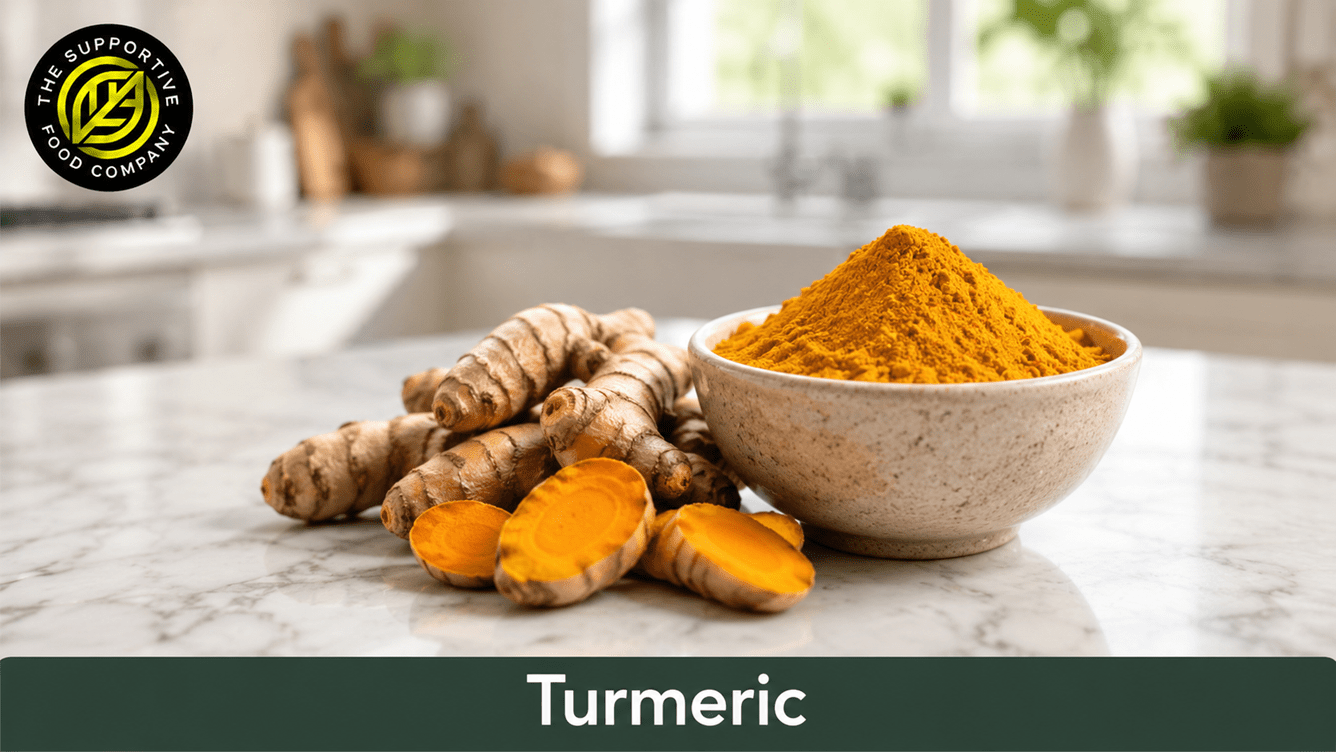
The benefits of Turmeric
Turmeric is a vibrant golden-orange root known for its warm color, earthy taste, and plant compounds called curcuminoids. The most famous of these, curcumin, has been widely researched for its potential benefits in managing inflammation, oxidative stress, and overall wellness.
In cooking, turmeric adds flavor without the need for excess salt, sugar, or heavy sauces. It pairs beautifully with vegetables, legumes, grains, soups, and stews, making it a versatile addition to both everyday meals and traditional recipes.
While turmeric isn’t a cure for illness, and regular cooking amounts aren’t the as high-dose supplements, using it often in food can be a flavorful way to support a varied, plant-rich diet.
 What dishes frequently use turmeric?
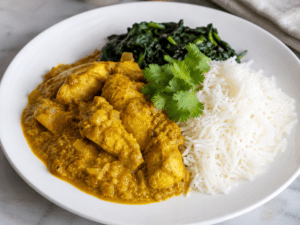
Turmeric is a staple in Indian, Middle Eastern, Southeast Asian, Caribbean, and North African cuisines. It’s a go-to for curries, lentil dishes, rice, soups, marinades, spice blends, roasted veggies, and cozy drinks.
Some well-loved dishes featuring turmeric include dhal, vegetable curry, turmeric rice, spiced chickpeas, golden milk, lentil soup, and roasted cauliflower.
How and why turmeric can be a supportive food
 Turmeric adds value to food in three simple ways: flavor, color, and beneficial plant compounds. Its warm, earthy taste can make even basic dishes feel more satisfying, while its vibrant hue brings visual appeal to veggie-packed meals. It pairs especially well with black pepper and a bit of healthy fat, like olive oil or coconut milk, since curcumin is absorbed better with these additions.
For Supportive Food purposes, turmeric is useful because it can help people cook more plant-based meals, add interest to low-cost ingredients such as lentils and rice, and build meals around vegetables rather than ultra-processed foods.
Suggested recipes
 Turmeric Lentil Dhal – Cook red lentils with onion, garlic, turmeric, cumin, tomatoes, and spinach. Serve with brown rice or flatbread.
Golden Vegetable Soup – Simmer carrots, squash, onion, turmeric, ginger, and stock, then blend until smooth.
Turmeric Rice with Peas – Add turmeric, bay leaf, peas, and a little olive oil to rice as it cooks.
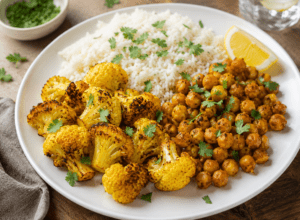
Roasted Turmeric Cauliflower – Toss cauliflower florets with turmeric, black pepper, olive oil, and garlic, then roast until golden.
Golden Milk – Warm milk or fortified plant milk with turmeric, cinnamon, ginger, black pepper, and a little honey if desired.
Home | Food | Facebook | Other sources | Editors