
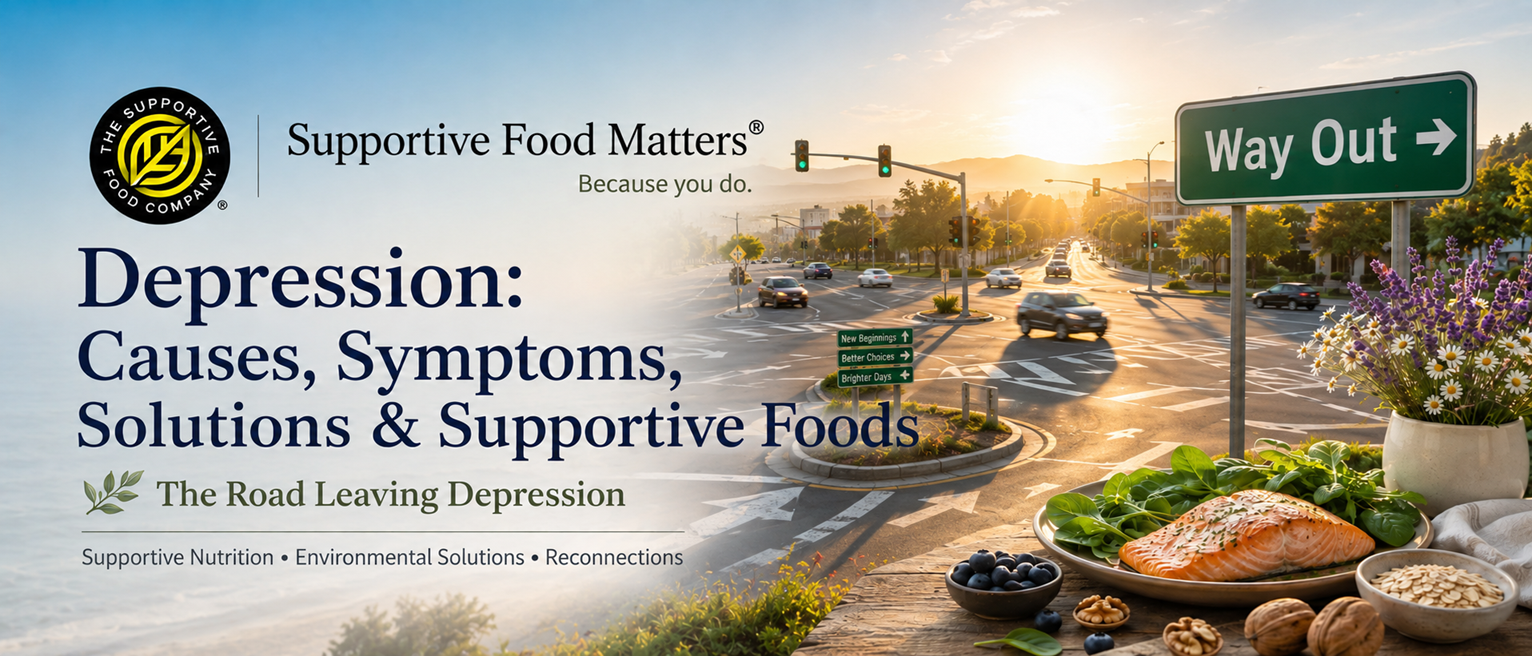
It is never shameful to reach out for help with depression, we all need it sometime!
Goodness knows we all have depression at some point, regardless of status, physical condition or finances. It could be from anything that makes you sad: work, relationship, family etc.
What are the causes, medical and non-medical solutions, foods that help with depression?
1. The Causes of Depression
Depression is rarely caused by a single factor; it is usually the result of a complex interplay of biological, psychological, and environmental elements.
- Biological & Neurochemical: Imbalances in neurotransmitters (chemical messengers in the brain like serotonin, dopamine, and norepinephrine) can profoundly affect mood regulation.
-
Genetics: Having a first-degree relative with depression increases your risk. Certain genetic variations can make the nervous system more vulnerable to stress.
-
Environmental & Trauma: Prolonged stress, childhood trauma, abuse, financial ruin, or the loss of a loved one can trigger depressive episodes.
-
Medical Conditions & Medications: Chronic illnesses (like heart disease or cancer), thyroid disorders, chronic pain, and certain medications can induce depressive symptoms.
-
Hormonal Changes: Fluctuations during menstruation, pregnancy, childbirth (postpartum depression), or menopause can act as triggers.
2. What are the Symptoms?
 Symptoms can range from mild to severe and generally must persist for at least two weeks for a clinical diagnosis. They manifest in emotional, physical, and cognitive ways.
Emotional & Cognitive Symptoms:
-
Persistent feelings of sadness, emptiness, or hopelessness.
-
Anhedonia: A profound loss of interest or pleasure in hobbies and activities once enjoyed.
-
Feelings of worthlessness or excessive, inappropriate guilt.
-
Difficulty concentrating, remembering details, or making decisions (often described as “brain fog”).
-
Recurrent thoughts of death or suicide.
Physical Symptoms:
-
Significant weight loss or weight gain (due to appetite changes).
-
Insomnia (difficulty sleeping) or hypersomnia (oversleeping).
-
Psychomotor agitation (restlessness) or retardation (noticeably slowed movements and speech).
-
Fatigue and a near-constant lack of energy.
-
Unexplained physical aches and pains.
3. What are the Medical Solutions?
Treatment is highly effective for most people. A doctor or psychiatrist will typically recommend one or a combination of the following:
-
Psychotherapy (Talk Therapy):
-
Cognitive Behavioral Therapy (CBT): Helps identify and change negative thought patterns and behaviors.
-
Interpersonal Therapy (IPT): Focuses on improving troubled relationships that may contribute to depression.
-
-
Medication (Antidepressants):
-
SSRIs & SNRIs: (e.g., Sertraline, Fluoxetine, Venlafaxine) The most commonly prescribed medications, which help increase the availability of serotonin (and norepinephrine) in the brain.
-
Atypical Antidepressants: (e.g., Bupropion) Target different neurotransmitters like dopamine.
-
-
Brain Stimulation Therapies: Used for severe, treatment-resistant depression.
-
Electroconvulsive Therapy (ECT): Uses electrical currents to induce a brief seizure, which alters brain chemistry.
-
Transcranial Magnetic Stimulation (TMS): Uses magnetic fields to stimulate nerve cells in the brain.
-
4. What are the Non-Medical Solutions?
Making small lifestyle changes can be a great way to support medical treatment, easing symptoms and helping prevent relapse.
- Getting regular exercise, like brisk walking, running, or swimming, boosts endorphins and encourages brain growth—just 30 minutes a day can make a big difference.
- Good sleep habits, such as sticking to a set bedtime, keeping your room cool and dark, and avoiding screens before bed, help keep your body’s clock on track.
- Mindfulness and meditation can keep you grounded and stop the cycle of overthinking.
- Daily sunlight or using a light therapy box is especially helpful for Seasonal Affective Disorder.
- Staying socially connected, even when it’s tough, can lift your mood and build resilience.
5. Foods That Help With Depression
The gut is often called the “second brain” because it produces a large amount of the body’s serotonin. Eating in a way that reduces inflammation and supports a healthy gut microbiome can boost mood.
- Omega-3 fatty acids, found in fatty fish like salmon, mackerel, and sardines, as well as walnuts and flaxseeds, are essential for brain health and reducing inflammation.
- Leafy greens such as spinach, kale, and Swiss chard are packed with folate (Vitamin B9), whose deficiency has been linked to depression.
- Fermented foods like yogurt, kefir, kimchi, and kombucha provide probiotics that nourish the gut microbiome, influencing the gut-brain connection.
- Complex carbs, including oats, brown rice, and quinoa, offer steady energy and help the brain make serotonin.
- Lean proteins like turkey, chicken, and eggs supply tryptophan, an amino acid the body turns into serotonin.
6. 30-Day “Mood-Boosting” Recipe Plan
This plan features 30 unique, nutrient-packed main meals for lunches or dinners, each designed to include Omega-3s, folate, complex carbs, and probiotics. For an extra boost to gut health, pair them with a side of mixed greens or fermented veggies like sauerkraut.
Week 1: Omega-3 & Folate Kickoff
-
Day 1: Baked Lemon-Herb Salmon with Quinoa and Steamed Asparagus.
-
Day 2: Spinach and Mushroom Frittata with a side of Kefir.
-
Day 3: Turkey Chili packed with Kidney Beans and Diced Bell Peppers.
-
Day 4: Lentil and Kale Stew with a slice of Whole-Grain Sourdough.
-
Day 5: Grilled Chicken Salad with Walnuts, Strawberries, and Balsamic Vinaigrette.
-
Day 6: Sardine or Mackerel spread on Whole-Wheat Toast with Avocado.
-
Day 7: Tofu Stir-fry with Broccoli, Edamame, and Brown Rice.
Week 2: Gut-Brain Axis Focus
-
Day 8: Mediterranean Chickpea Salad with Feta, Cucumbers, and Olives.
-
Day 9: Baked Cod with Roasted Sweet Potatoes and Brussels Sprouts.
-
Day 10: Black Bean and Sweet Potato Tacos on Corn Tortillas.
-
Day 11: Chicken and Barley Soup with Carrots and Celery.
-
Day 12: Greek Yogurt Bowl with Chia Seeds, Blueberries, and Almonds (Breakfast for Dinner).
-
Day 13: Lean Beef (or Portobello Mushroom) Burger on a Whole-Grain Bun with Spinach.
-
Day 14: Spaghetti Squash with Ground Turkey Bolognese.
Week 3: Anti-Inflammatory Eats
-
Day 15: Turmeric Coconut Curry with Chickpeas and Cauliflower.
-
Day 16: Pan-Seared Trout with a side of Quinoa and Garlic Green Beans.
-
Day 17: Roasted Eggplant and Zucchini layered with Tomato Sauce and Mozzarella.
-
Day 18: Soba Noodles (Buckwheat) with Peanut Sauce, Shredded Cabbage, and Edamame.
-
Day 19: Omelet stuffed with Swiss Chard, Tomatoes, and a dollop of Greek Yogurt.
-
Day 20: Tuna Salad (made with Greek yogurt instead of mayo) stuffed in a Bell Pepper.
-
Day 21: Slow-Cooker Chicken, Carrot, and Parsnip Stew.
Week 4: Sustained Energy & Balance
-
Day 22: Baked Falafel with Hummus, Tzatziki, and a Mixed Greens Salad.
-
Day 23: Shrimp or Tofu Skewers with Pineapple, Bell Peppers, and Wild Rice.
-
Day 24: White Bean and Kale Soup topped with a sprinkle of Parmesan.
-
Day 25: Stuffed Acorn Squash with Quinoa, Cranberries, and Pecans.
-
Day 26: Miso Soup with Tofu, Seaweed, and a side of Steamed Bok Choy.
-
Day 27: Chicken Fajitas with Onions and Peppers, topped with fresh Guacamole.
-
Day 28: Chia Seed Pudding made with Kefir, topped with Sliced Bananas and Pumpkin Seeds.
The Final Stretch
-
Day 29: Salmon Patties (using canned salmon) with a side of Mashed Sweet Potatoes.
-
Day 30: A large “Kitchen Sink” Salad: Mixed greens, hard-boiled eggs, chickpeas, sunflower seeds, and an olive oil dressing.