
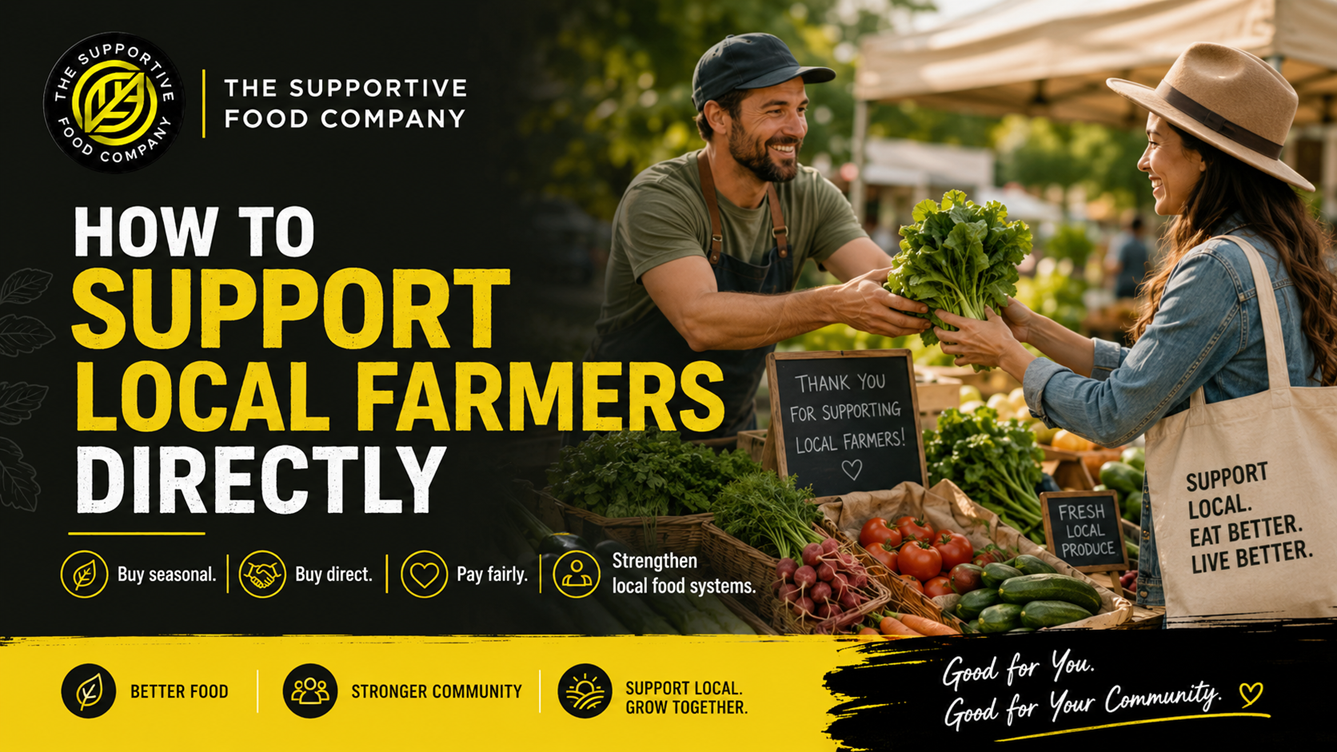
A punnet of strawberries from a supermarket and one from a local grower’s stall might look almost the same, but their stories are often worlds apart. Choosing to buy from local farmers isn’t just about picking the source of our food—it’s about deciding the kind of food system we want to support: one that values care, fairness, and nourishment, or one that shifts risk and hardship further down the line.
For many, this question feels more pressing than ever. With food prices climbing, farms facing challenges, and more households aiming to eat in ways that reflect both their health and values, the demand is growing. People managing long-term conditions, along with their carers and families, often look for food that feels closer to its source, more transparent, and less influenced by a system that sidelines nutrition. While buying direct isn’t a cure-all, it can be a practical step toward reconnecting health, community, and agriculture.
Why supporting local farmers directly matters
When food travels through long supply chains, farmers often bear the heaviest load but get the smallest slice of the pie. Rising energy costs, expensive feed, labor shortages, extreme weather, and pressure from retailers have left many small and independent producers scraping by on razor-thin margins. Buying directly helps flip that script, keeping more of the money in the hands of the people growing, raising, or making the food.
It’s about more than just farm income. Local farms preserve skills, biodiversity, and regional food traditions. They can cut down supply chains, create local jobs, and make communities less reliant on vulnerable global systems. From a public health perspective, stronger local food networks can also mean fresher produce and greater trust in how food is grown.
There’s also a matter of dignity here. Farmers shouldn’t have to grow food under constant financial pressure while communities become less healthy and more disconnected from the basics of nourishment. A fairer and more ethical food system understands that healthy land, good food, and healthy people all belong in the same conversation.
 The most effective ways to support local farmers directly
The easiest way to support farmers is to buy in ways that cut down on middlemen. Farm shops, box schemes, pick-your-own spots, producer markets, and direct online orders can all work. The best choice depends on where you live, how mobile you are, your budget, and what’s available nearby.
Buying direct doesn’t have to mean doing all your shopping at a market stall. For some, it might just mean swapping one or two regular items—like eggs, seasonal veggies, milk, oats, meat, or honey—for ones from local producers. Small, repeated changes can be more realistic and sustainable than a complete lifestyle change.
If you’re dealing with illness, caring for someone, or juggling fatigue and limited time, convenience is key. In that case, local veg boxes or community-supported schemes might be more helpful than occasional market trips. They take away some of the planning and make it easier to keep good food at home.
Buy seasonally and ask honest questions
One of the best ways to support producers is to buy what they’re actually growing at the moment, instead of expecting every crop year-round. Sticking with seasonal produce helps farms plan more effectively, cuts down on waste, and often means fresher food. It can also be easier on your budget, especially when there’s an abundance.
Asking questions is a key part of building direct relationships, not something to feel awkward about. Find out how crops are grown, what challenges the farm is facing, whether they use sprays, how animals are raised, or what might be plentiful next month. Most independent farmers prefer an honest conversation over a polished sales pitch.
Pay fairly when you can
Cheap food often comes with hidden costs—environmental harm, low wages, diet-related health issues, and strain on farm sustainability. Not everyone can afford to pay more, and no one should be judged for that. But when the budget allows, paying a fair price is a clear way to support local agriculture.
Still, fairness must go both ways. A truly ethical food system can’t depend solely on individuals paying higher prices while hunger grows. That’s where community action and smart policies come in.
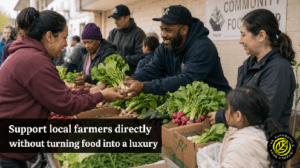 Support local farmers directly without turning food into a luxury
One common criticism of local food movements or community groups is that they can end up being exclusive. If farm-fresh food is only within reach for wealthier households with extra time, cars, and flexible incomes, then something’s off. Supporting farmers shouldn’t come at the cost of food justice.
The real challenge is figuring out how to make local food accessible to more people. That might mean community buying groups, neighborhood pick-up spots, subsidized veggie boxes, produce donations, pay-it-forward schemes, or partnerships between growers and charities. It could also involve encouraging schools, care facilities, and community kitchens to buy more from local producers when it makes sense.
This is where a mission-driven platform like Supportive Food Directory really shines. Bringing together farmers, patients, carers, and community groups isn’t just about business—it’s about closing the gap between nourishment and need.
If budget is tight, start here
Supporting local farmers on a tight budget is possible, though it might look a bit different. Pick one local staple instead of several. Opt for seconds or surplus produce if available. Split box with a neighbour. Stock up and freeze extras when seasonal prices drop. Shop near market closing time when some sellers lower prices to avoid waste.
There’s no moral worth in pretending everyone has the same means. It’s not about perfection—it’s about finding realistic ways to keep building fair, local food connections.
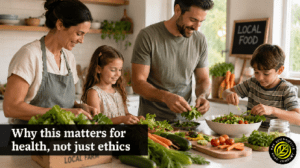 Why this matters for health, not just ethics
For people navigating cancer, diabetes, cardiovascular disease, when dealing with digestive issues or recovering from illness, choosing what to eat can feel overwhelming. While local food isn’t a cure and shouldn’t be treated as one, connecting directly with producers can give people more confidence about freshness, ingredients, and how food is made, making everyday meals feel a bit easier to navigate.
Freshly harvested produce may be easier to build meals around. Smaller producers may also offer foods with shorter ingredient lists, fewer unnecessary additives and a clearer route from field to plate. For some households, that transparency supports better meal planning and confidence.
There is a wider mental and social health dimension too. Meeting the people who grow food can restore a sense of trust that industrial food systems have eroded. That trust matters, especially when illness has already made life feel uncertain.
What to look for when choosing a farmer or producer
Not every local producer works in the same way, and local does not automatically mean ethical. Some farms are highly regenerative, some are conventional but careful, and some are struggling to improve while balancing harsh economic realities. It depends.
Look for openness over perfection. A producer you can trust will be upfront about their methods, pricing, and limitations. Pay attention to whether they talk honestly about welfare, soil, seasonality, and labor. Watch out for branding that sounds good but doesn’t really say much.
Reliability is also key. If you’re managing a health condition, access and consistency might matter just as much as ideals. The best producer for your household is one whose food, values, and practical setup work for your real life.
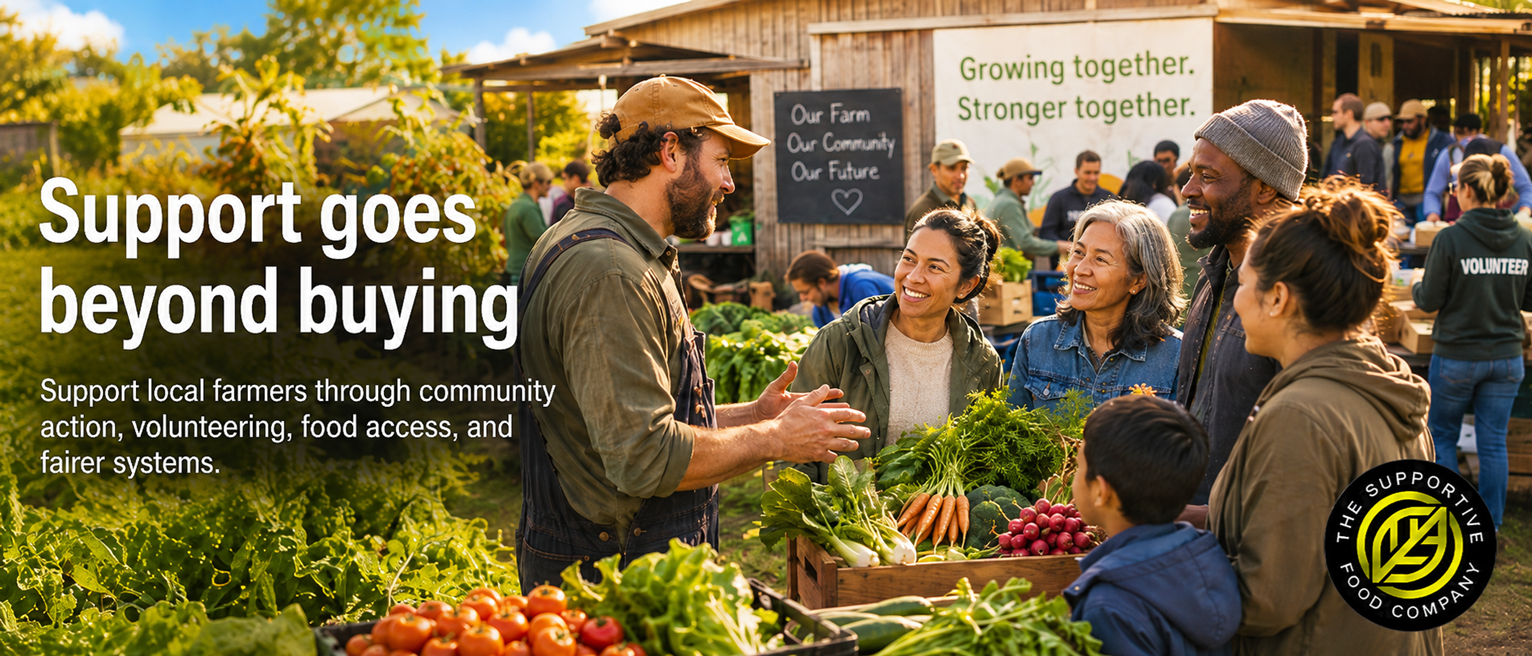
Money matters, but supporting local farmers goes beyond just buying their products. Spreading the word about a great local producer, going to farm events, volunteering with food projects, donating to hunger relief that sources from growers, or pushing for fair procurement can all help. Farmers need customers, but they also need communities that get what’s at stake.
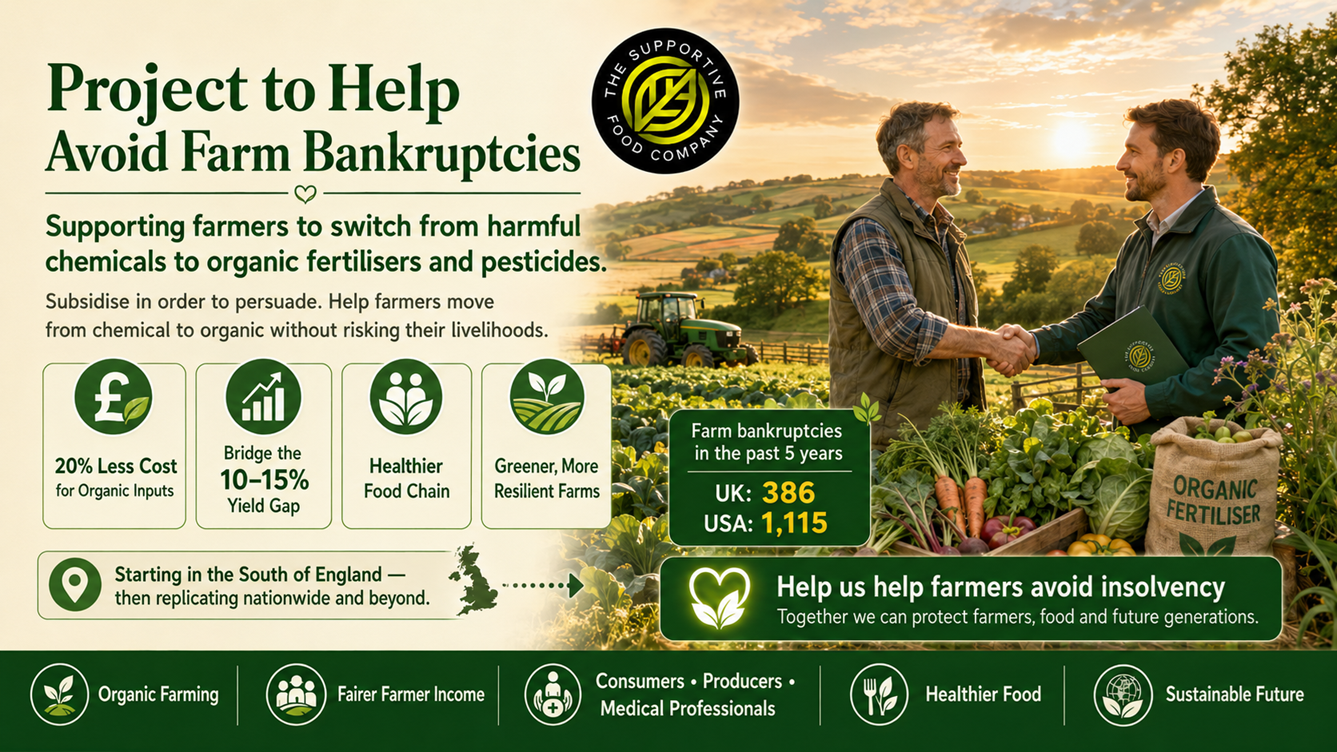
Politics play a role too. If we want strong local farms, decision-makers need to see food as a public good, not just a commodity. That means treating farm resilience, nutrition education, good food access, and anti-hunger efforts as connected priorities. Political systems are not supporting farmers as much as they need. We are trying to help with that, if only in a small way to begin with, but then replicated and increased significantly.
A better food future won’t come from convenience culture alone. It will grow from relationships—between growers and eaters, between care and agriculture, and between local actions and larger systemic change.
Backing local farmers is ultimately a real act of solidarity.
It says the people feeding us deserve more than applause and razor-thin margins—they deserve fair pay, visible support, and a food system that values health as much as yield. Start where you are, ask better questions, and let your food choices help build the community you want to see.
Home | Food | Facebook | Other sources | Editors