

Anti Inflammatory Herbs and Spices
If meals are starting to feel like just another task on the list—on top of appointments, symptoms, caregiving, work, and the weekly shop—adding anti-inflammatory herbs and spices can be an easy place to start. They’re not a magic cure or a replacement for treatment, but they can bring flavor, variety, and beneficial plant compounds to the food you’re already making.
That matters because inflammation isn’t some niche health issue. It lingers in the background of many chronic conditions, includingheart disease, type 2 diabetes, arthritis, obesity and some aspects of cancer care and recovery involve understanding inflammation. The term is often thrown around too casually online, but the basic idea is straightforward: the body relies on short-term inflammation to protect and repair itself, while persistent low-grade inflammation can contribute to broader health problems.
What anti inflammatory herbs and spices can actually do
The point isn’t that these ingredients “cure inflammation,” but that certain herbs and spices have compounds which, as part of a balanced diet, may help support the body’s natural inflammatory response. Some have stronger evidence than others, and factors like dose, preparation, overall diet, and individual health all play a role.
That’s why context matters more than hype. Sprinkling cinnamon on porridge won’t undo a diet heavy in ultra-processed foods, chronic stress, and poor sleep. And people on tight budgets shouldn’t feel their health depends on pricey powders in stylish jars. Everyday dried herbs, basic spices, and fresh local produce can all make a difference.
The most useful anti inflammatory herbs and spices to know
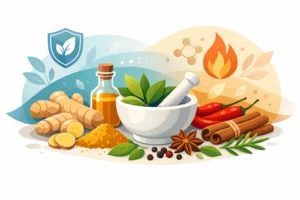 Turmeric is often the first spice that comes to mind, and for good reason. Its most famous active compound, curcumin, is well known for its anti-inflammatory properties. In everyday cooking, turmeric brings a warm, earthy flavor to soups, lentils, rice, and stews.
The trick is that curcumin isn’t absorbed very well on its own, which is why it’s commonly paired with black pepper and a bit of fat. You don’t have to make every meal golden, but adding turmeric regularly to savory dishes is a smart habit.
Ginger is a great choice for anyone looking for something both versatile and familiar. While it’s often praised for easing nausea and aiding digestion, it also has compounds tied to anti-inflammatory benefits. Fresh ginger is delicious in broths, curries, roasted veggies, and teas, while ground ginger shines in porridge, baked fruit, and simple home dishes. For those in treatment or with a low appetite, its bright, zesty flavor can make food more appealing.
Cinnamon is a popular spice, often mentioned when talking about blood sugar balance. It may offer some benefits in that regard for certain people and is also rich in antioxidants. That said, it’s best to use it in moderation. It’s not a replacement for medical care, and large amounts of cassia cinnamon aren’t recommended for everyone due to its coumarin content. In moderate amounts, though, it’s an easy way to add flavor to oats, yogurt, stewed apples, or even savory dishes with pulses.
Garlic blends flavour, tradition, and health in a way few ingredients can. Celebrated in countless cuisines, it’s linked to possible anti-inflammatory and heart health benefits. It’s also an easy, affordable way to elevate everyday dishes—beans, greens, soups, and tomato-based recipes all shine with its touch. And if fresh garlic feels too strong, slow cooking mellows its sharpness beautifully.
Rosemary, thyme, sage, and oregano deserve more recognition in health discussions. They might not be promoted as heavily as turmeric shots or supplement blends, but these herbs are packed with polyphenols and aromatic oils known for their antioxidant and anti-inflammatory benefits. Even more, they bring simple ingredients to life in the kitchen. Roasting root vegetables with rosemary or simmering tomatoes and beans with oregano and thyme may not be flashy, but it’s wholesome, satisfying food.
Black pepper rarely takes the spotlight, but it’s a great supporting player. Piperine, the compound that gives it its sharp kick, may offer its own benefits and is often mentioned for boosting the absorption of certain compounds, like curcumin from turmeric. Simply put, it’s another good reason to season food well instead of treating herbs and spices as an afterthought.
Chili and cayenne can be great additions, depending on individual tolerance. Capsaicin has been researched for its anti-inflammatory and pain-relieving effects, but spicy foods aren’t for everyone. Those with reflux, mouth soreness, digestive issues, or treatment-related sensitivity might find chili more irritating than beneficial. It’s a perfect example of why personalized nutrition is so important.
Food first, not wellness theatre
There’s a growing market built on fears about inflammation, often pushing pricey powders, lofty “purity” claims, and big promises. It’s not a fair or helpful message for most households, especially when so many are juggling rising food costs alongside serious health worries.
For most people, the easiest way to enjoy anti-inflammatory herbs and spices is by adding them to everyday meals. Toss ginger and garlic into lentil soup. Mix turmeric, cumin, and black pepper into chickpeas. Sprinkle cinnamon on porridge instead of sugar. Simmer tomatoes with oregano and olive oil. Make food so enjoyable that eating well feels like a treat, not a chore.
This approach also ties into social justice. Healthy eating guidance shouldn’t be just for those with plenty of time, money, or access to specialty stores. A fairer food system means making practical nutrition advice available to carers, patients, older adults, and families under stress. The Supportive Food Directory was created with that in mind—linking people to not only helpful information, but also to a bigger story about dignity, farming, community, and health.
How to use anti inflammatory herbs and spices in daily life
Focus on repetition over perfection. When dealing with fatigue, pain, or treatment side effects, complicated recipes can quickly lead to burnout. Stick to a few easy combinations you can remember and reuse. A base of onion, garlic, and ginger works for soups, beans, and veggie stews.
Turmeric and black pepper go well with lentils, rice, and scrambled eggs. Cinnamon adds warmth to oats, chia pudding, and stewed pears. Rosemary and thyme elevate potatoes, carrots, and parsnips, especially roasted with olive oil. Fresh herbs are great when available, but dried ones are budget-friendly, last longer, and aren’t second best.
In winter, when money’s tight and shopping trips are rare, dried thyme, oregano, mint, cinnamon, turmeric, and ginger keep meals interesting and nourishing. For someone with a reduced appetite, focus less on perfect meal plans and more on what’s easy to eat—like ginger broth, soft rice with turmeric, or mashed root veggies with garlic and olive oil.
A few important cautions
Natural does not automatically mean risk-free. Some herbs and spices can interact with medicines or be unsuitable in higher amounts for particular people. If you’re on anticoagulants, going through cancer treatment, managing gallbladder issues, or handling complex digestive problems, it’s best to check in with a GP, specialist, or registered dietitian before making big changes or taking concentrated supplements.
This is especially true for capsules and extracts, where evidence, quality control, and dosing can vary a lot, and concentrated products aren’t the same as using normal amounts in cooking. For many, getting these benefits from food is the safer, more sustainable choice.
It’s also important to keep expectations realistic. If you’re running on little sleep, feeling overwhelmed or isolated, and eating whatever’s cheapest or closest, the solution isn’t just adding more turmeric. Health is influenced by income, housing, transport, access to good food, and time. Good nutrition matters, but so do the conditions that make it possible.
The bigger picture
Anti-inflammatory herbs and spices are at their best when they guide people back to real food, shared meals, and confidence in the kitchen. Their worth goes beyond biochemistry. They can make beans taste better, vegetables more inviting, rekindle appetite, and link food with care rather than fear.
It may sound simple, but small changes are often the most lasting. A spoonful of ginger in soup, rosemary on roasted vegetables, cinnamon on breakfast oats, garlic in greens—these are little acts of nourishment that blend seamlessly into everyday life. And everyday life is where health is either nurtured or gradually worn away.
When deciding where to start, go with what’s affordable, available, and likely to be used this week. A cupboard that helps you make one more decent meal is worth more than a shelf full of wellness promises.
Home | Food & Recipes | Facebook | Other sources | About us