
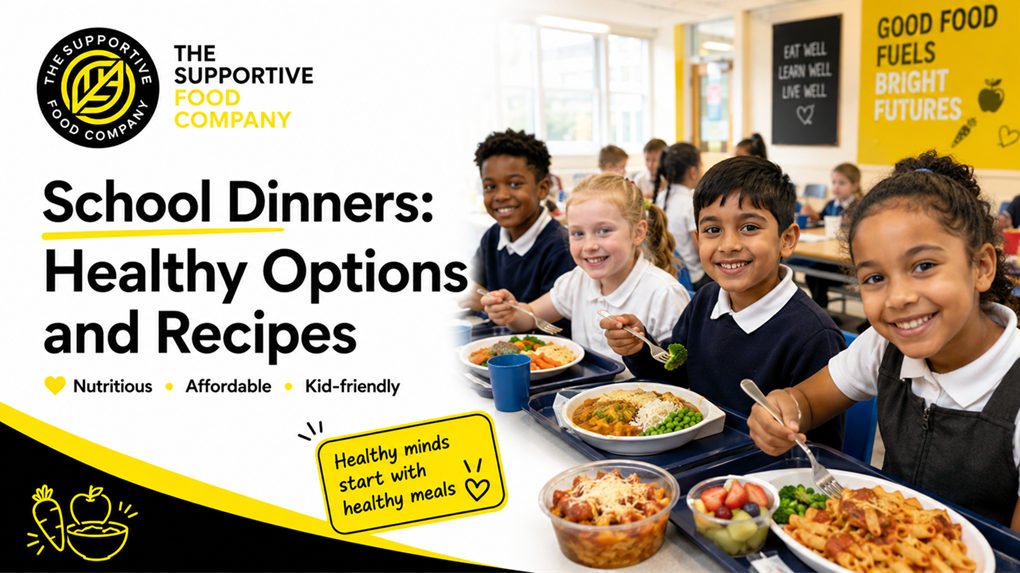
 Download a FREE .pdf to read later, give to friends and schools as a suggestion.
School Dinners: Healthy Options and Recipes
School dinners matter. For many children, lunch at school is one of the most important meals of the day. It can help them concentrate, learn, play, grow, and feel cared for.
But a good school dinner has to do more than look healthy on paper. It has to be affordable for the school, practical for the kitchen team, acceptable to parents, and appealing enough that children actually eat it.
That is the real challenge: meals that are nutritious, economical, colourful, familiar, and still a little bit fun.
What makes a good school dinner?
A good school dinner should offer steady energy, a source of protein, vegetables or salad, and a balance of flavour and texture. Children are more likely to eat healthy food when it feels friendly rather than forced.
That means using familiar formats such as pasta bake, wraps, curry, chilli, cottage pie, fishcakes, jacket potatoes, soup, rice bowls and fruit-based puddings — but making them with better ingredients.
Healthy school meals do not need expensive “superfoods”. Some of the best ingredients are simple and economical: lentils, beans, oats, carrots, peas, potatoes, rice, pasta, eggs, yoghurt, tinned tomatoes, seasonal vegetables, frozen vegetables and responsibly sourced fish.
The aim is not perfection. It is steady improvement: more colour, more fibre, more vegetables, better protein, less waste, and meals children enjoy eating.
Practical school dinner ideas chart
| Recipe idea | Main ingredients | Why it is beneficial | Why children may like it | Cost-saving if you need |
|---|---|---|---|---|
| Rainbow vegetable pasta bake | Pasta, tinned tomatoes, lentils, carrots, sweetcorn, peas, grated cheese | Provides energy, fibre, vegetables and plant protein | Familiar, cheesy, colourful and mild | Use a 50:50 mix of white and wholewheat pasta |
| Mild chicken and chickpea curry | Chicken thigh, chickpeas, rice, carrots, onions, peas, tomatoes | Combines animal protein with pulses and vegetables | Mild curry is warm, filling and easy to serve | Use less chicken and add chickpeas to stretch the dish |
| Bean and vegetable chilli | Kidney beans, lentils, tomatoes, peppers, carrots, sweetcorn, rice | High in fibre and plant protein, with plenty of colour | Works with rice, wraps or jacket potatoes | Use dried lentils and tinned beans bought in bulk |
| Baked mackerel fishcakes | Tinned mackerel, potato, peas, egg, breadcrumbs | Offers protein and oily fish in a child-friendly format | Looks like a familiar fishcake and can be served with peas or sweetcorn | Bake instead of frying and use mashed potato to stretch the fish |
| Lentil cottage pie | Lentils, carrots, onions, peas, potatoes, tomato base | Filling, economical and rich in vegetables and fibre | Comfort food with a soft potato topping | Use lentils alone or mix with a smaller amount of minced beef |
| Jacket potato bar | Potatoes, beans, tuna, cheese, yoghurt coleslaw, salad | Flexible, filling and easy to adapt for different pupils | Children can choose their topping | Batch-bake potatoes and use simple toppings |
| Vegetable frittata squares | Eggs, potatoes, peas, onions, peppers, cheese | Protein-rich and easy to portion | Can be eaten warm or cold, like a savoury slice | Use leftover cooked vegetables |
| Apple and oat crumble pots | Apples, oats, cinnamon, yoghurt or custard | A fruit-based pudding with fibre and familiar flavour | Sweet, warm and comforting | Use seasonal apples or frozen fruit |
Ingredients that work well for schools
Lentils and beans
Lentils, chickpeas and beans are among the most useful school kitchen ingredients. They are economical, filling, and work well in sauces, curries, chilli, soups, wraps and pasta dishes.
They also help reduce reliance on more expensive meat while still making meals satisfying. Red lentils are especially useful because they soften into sauces and are less noticeable for children who are cautious about texture.
Frozen vegetables
Frozen peas, sweetcorn, spinach, carrots and mixed vegetables can be excellent for school meals. They are usually good value, reduce waste, and are available all year. They also help kitchen teams add colour and nutrition quickly.
Frozen vegetables are particularly useful in pasta bake, rice, curry, chilli, soup, cottage pie and frittata.
Potatoes, rice and pasta
These are familiar, filling and affordable. They help make meals child-friendly and can carry healthier ingredients without the meal feeling too unfamiliar.
A gradual approach works best. For example, a school might use half white and half wholewheat pasta, or offer brown rice mixed with white rice, rather than changing everything at once.
Tinned tomatoes
Tinned tomatoes are one of the best budget ingredients for school cooking. They can become pasta sauce, curry base, chilli, soup, pizza-style toppings or casserole sauce.
They also make it easier to include vegetables without relying on expensive fresh produce every day.
Yoghurt
Plain yoghurt can be used in dips, sauces, fruit pots and mild dressings. It can make meals feel creamy without needing large amounts of cheese or cream.
For children, yoghurt works well with fruit, oats, cinnamon or a small swirl of fruit purée.
Oats
Oats are economical and useful in both sweet and savoury cooking. They can be used in fruit crumbles, breakfast pots, flapjack-style fruit bakes, or as a binder in vegetable patties.
They add texture and help make puddings more filling.
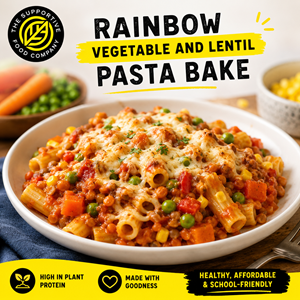
Recipe 1: Rainbow Vegetable and Lentil Pasta Bake
This is a useful school dinner because it feels familiar, looks colourful and can be made in large trays.
Ingredients
For approximately 30 child portions:
- 2 kg pasta, ideally half white and half wholewheat
- 1 kg red lentils, soaked overnight and rinsed
- 3 large tins chopped tomatoes or equivalent passata
- 1.5 kg frozen mixed vegetables
- 1 kg grated carrot or finely chopped fresh vegetables
- 4 onions, finely chopped
- 4 cloves garlic, crushed, or garlic granules
- 2 tablespoons mixed herbs
- 500–700 g grated cheese
- A little vegetable or rapeseed oil
- Black pepper
- Optional: a small amount of paprika or mild curry powder for warmth
Method
- Cook the pasta until just tender. Do not overcook it, as it will soften more in the oven.
- In a large pan, soften the onions in a little oil.
- Add garlic, tomatoes, red lentils, herbs and vegetables.
- Simmer until the lentils are soft and the sauce has thickened.
- Mix the sauce with the cooked pasta.
- Transfer to baking trays, sprinkle with cheese and bake until golden.
- Serve with salad, peas or vegetable sticks.
Why it works
This dish is familiar enough for children who like pasta, but it quietly adds vegetables and lentils. The cheese topping makes it feel comforting, while the lentils help make it filling and economical.
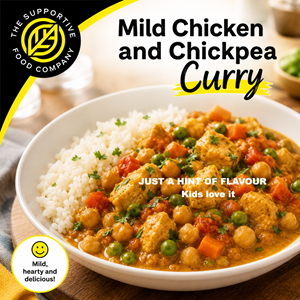
Recipe 2: Mild Chicken and Chickpea Curry
This is a good way to serve chicken while keeping the meal affordable. Chickpeas stretch the dish, add texture and help make the sauce more filling.
Ingredients
For approximately 30 child portions:
- 2.5 kg diced chicken thigh
- 1.5 kg chickpeas, cooked or tinned and drained
- 4 onions, chopped
- 1.5 kg carrots, diced
- 1 kg frozen peas or mixed vegetables
- 3 large tins chopped tomatoes
- 1 tin reduced-fat coconut milk, or plain yoghurt stirred in at the end
- Mild curry powder, to taste
- Garlic and ginger, fresh or dried
- Rice to serve
- Optional: chopped spinach added near the end
Method
- Soften the onions in a little oil.
- Add the chicken and cook until sealed.
- Add mild curry powder, garlic and ginger.
- Stir in carrots, tomatoes and chickpeas.
- Simmer until the chicken is cooked and the sauce has thickened.
- Add peas or mixed vegetables near the end.
- Finish with coconut milk or yoghurt for a gentle, creamy flavour.
- Serve with rice and a colourful vegetable side.
Why it works
Children often enjoy mild curry when it is not too spicy. The chickpeas help keep the cost down, and the vegetables add colour and texture. This meal can also be adapted for different cultural preferences.
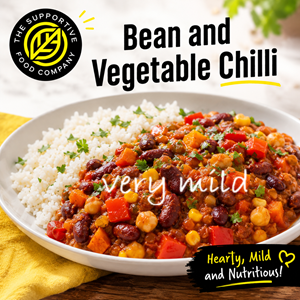
Recipe 3: Bean and Vegetable Chilli
This is a useful meat-free option that can be served with rice, jacket potatoes, wraps or a small portion of grated cheese.
Ingredients
For approximately 30 child portions:
- 2 kg mixed beans, cooked or tinned and drained
- 750 g red lentils, rinsed
- 3 large tins chopped tomatoes
- 1.5 kg carrots, grated or diced
- 1 kg frozen sweetcorn
- 1 kg peppers or mixed frozen vegetables
- 4 onions, chopped
- Garlic
- Mild chilli powder, cumin and paprika
- Rice, wraps or jacket potatoes to serve
- Optional: plain yoghurt for topping
Method
- Soften the onions in a large pan.
- Add garlic, mild chilli powder, cumin and paprika.
- Add tomatoes, lentils, carrots and a little water or low-salt stock.
- Simmer until the lentils soften.
- Add beans, sweetcorn and peppers.
- Cook until thick and rich.
- Serve with rice, jacket potatoes or wraps.
Why it works
This dish is colourful, filling and economical. It also gives children a familiar “chilli” format without needing to be hot or spicy. A spoonful of yoghurt can make it milder and more appealing.
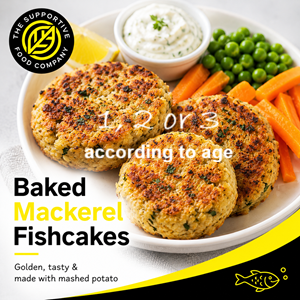
Recipe 4: Baked Mackerel Fishcakes
Fish can be a harder sell for children, but fishcakes make it more familiar. Baking keeps the recipe practical and avoids deep frying.
Ingredients
For approximately 30 child portions:
- 2.5 kg mashed potato
- 1.2 kg tinned mackerel, drained and flaked
- 750 g peas or sweetcorn
- 3 eggs, beaten
- Breadcrumbs, ideally from leftover bread
- Lemon juice, optional
- Parsley, optional
- Black pepper
Method
- Mix mashed potato, flaked mackerel, peas or sweetcorn, egg, herbs and lemon juice.
- Shape into small fishcakes.
- Coat lightly in breadcrumbs.
- Place on lined baking trays.
- Bake until hot through and golden.
- Serve with peas, carrot sticks, salad or a yoghurt-based dip.
Why it works
The potato softens the flavour of the fish and makes the dish familiar. The fishcakes can be portioned easily and served with colourful vegetables.
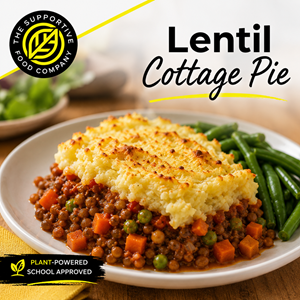
Recipe 5: Lentil Cottage Pie
This is a comforting, economical meal that can be made fully vegetarian or with a smaller amount of minced beef.
Ingredients
For approximately 30 child portions:
- 1.5 kg red or green lentils, cooked or simmered until soft
- Optional: 1–1.5 kg lean minced beef, if making a mixed version
- 4 onions, chopped
- 1.5 kg carrots, diced
- 1 kg peas
- 3 tins chopped tomatoes
- Low-salt stock
- Mixed herbs
- 5 kg potatoes, mashed
- A little milk for the mash
- Optional: grated cheese for topping
Method
- Cook onions and carrots until softened.
- Add lentils, tomatoes, herbs and stock.
- If using minced beef, brown it first and add it to the lentil mixture.
- Simmer until thick.
- Stir in peas near the end.
- Spoon into baking trays.
- Top with mashed potato and a light sprinkle of cheese if using.
- Bake until golden and bubbling.
Why it works
This is familiar, warm and filling. Lentils keep the cost down and add fibre, while the potato topping makes the meal child-friendly.
Recipe 6: Jacket Potato Bar
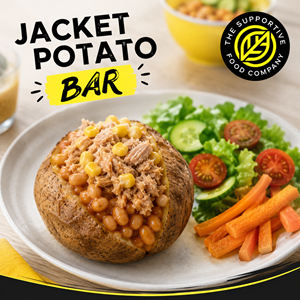
A jacket potato bar is simple, flexible and popular. It can also help reduce waste because toppings can be prepared from ingredients already used elsewhere in the week.
Ingredient ideas
- Baked potatoes
- Low-sugar, low-salt baked beans
- Tuna and sweetcorn
- Mild bean chilli
- Grated cheese
- Plain yoghurt coleslaw
- Peas, salad or vegetable sticks
- Leftover curry or pasta sauce as a topping
Method
- Batch-bake potatoes until soft.
- Offer two or three toppings each day.
- Keep toppings colourful and clearly labelled.
- Serve with salad, vegetable sticks or fruit.
Why it works
Choice helps children feel involved. A jacket potato bar also supports different dietary needs and appetites without making the kitchen cook a completely different meal for every child.
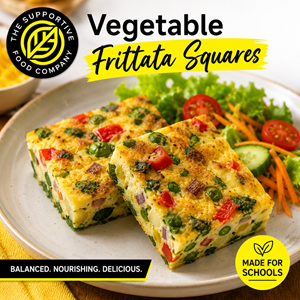
Recipe 7: Vegetable Frittata Squares
Frittata is useful because it can be served warm or cold, cut into easy portions, and made with leftover cooked vegetables.
Ingredients
For approximately 30 child portions:
- 36 eggs
- 1.5 kg cooked potatoes, diced
- 1 kg peas, peppers, onions or mixed vegetables
- 400 g grated cheese
- A splash of milk
- Mixed herbs
- Black pepper
Method
- Whisk eggs with milk, herbs and pepper.
- Stir in cooked potatoes, vegetables and cheese.
- Pour into lined baking trays.
- Bake until set and lightly golden.
- Cut into squares.
- Serve with salad, vegetable sticks or baked beans.
Why it works
Eggs provide protein and the recipe is easy to portion. It is also a good way to use up leftover potatoes and vegetables.
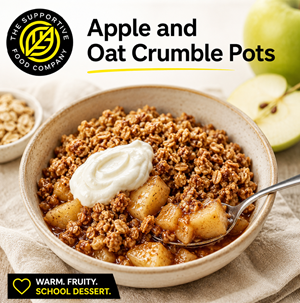
Recipe 8: Apple and Oat Crumble Pots
A school pudding can still be enjoyable while being fruit-focused. These pots are warm, familiar and economical.
Ingredients
For approximately 30 portions:
- 4 kg apples, peeled and chopped, or a mix of apples and frozen berries
- Cinnamon
- 800 g oats
- 400 g wholemeal flour
- A small amount of sugar, reduced where possible
- Vegetable spread or butter
- Plain yoghurt or custard to serve
Method
- Cook apples gently with cinnamon and a little water until softened.
- Place fruit in baking trays or individual pots.
- Mix oats, flour, a small amount of sugar and spread or butter to make a crumble topping.
- Sprinkle over the fruit.
- Bake until golden.
- Serve with yoghurt or custard.
Why it works
Children enjoy the sweetness and texture, while the fruit and oats make it more nourishing than many traditional puddings. It is also easy to adapt with seasonal fruit.
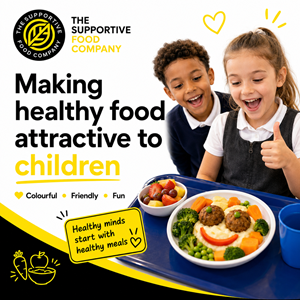 Making healthy food attractive to children
The way food is presented matters. Children are more likely to try healthy meals when they look colourful, smell good and feel familiar.
Useful ideas include:
- Give dishes friendly names, such as “Rainbow Pasta Bake” or “Sunshine Curry”.
- Use colourful vegetables where possible.
- Offer small tasters before introducing a new dish fully.
- Let children vote between two healthy options.
- Serve sauces smoothly for younger children who dislike visible vegetables.
- Use wraps, bowls, toppings and build-your-own options to give children choice.
- Keep flavours mild at first, then build gradually.
- Make fruit and vegetables visible, bright and easy to pick up.
Healthy school dinners should not feel like punishment. They should feel generous, warm and normal.
Keeping meals economical
School kitchens are under real pressure. Food has to be affordable, staffing has to be realistic, and waste has to be kept low.
The most economical school dinner plans often use the same core ingredients in different ways across the week. For example:
- Tinned tomatoes can become pasta sauce, chilli, curry or soup.
- Lentils can go into cottage pie, pasta bake, curry or soup.
- Frozen peas and sweetcorn can be used in rice, frittata, fishcakes and salad pots.
- Potatoes can become jacket potatoes, mash, wedges or fishcake base.
- Yoghurt can be used in dips, fruit pots, curry sauce and desserts.
- Leftover bread can become breadcrumbs for baked fishcakes.
Good menu planning reduces waste and saves money. It also helps kitchen staff work with confidence.
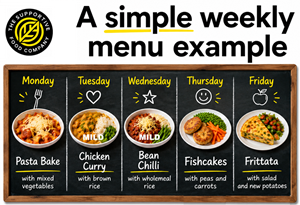
A simple weekly menu example
| Day | Main meal | Side | Pudding |
| Monday | Rainbow vegetable and lentil pasta bake | Peas or salad sticks | Fruit yoghurt pot |
| Tuesday | Mild chicken and chickpea curry | Rice and carrots | Apple slices |
| Wednesday | Bean and vegetable v. mild chilli | Jacket potato or rice | Fruit crumble pot |
| Thursday | Baked mackerel fishcakes | Mash, peas and sweetcorn | Yoghurt with fruit |
| Friday | Vegetable frittata squares | Salad, beans or potato wedges | Seasonal fruit |
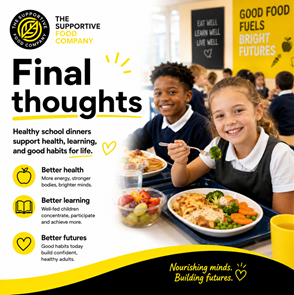 Final thoughts
School dinners are not just about feeding children quickly. They are part of education, care, health and fairness.
The best meals are not necessarily the most expensive. They are the ones that use simple ingredients well: vegetables, pulses, potatoes, rice, pasta, eggs, yoghurt, fruit, fish and modest amounts of meat where appropriate.
A healthy school dinner should be colourful, filling, affordable and welcoming. It should help children feel included, not singled out. It should support concentration in the classroom and energy in the playground.
Most of all, it should be food children are happy to eat.
When schools get this right, a dinner tray becomes more than a meal. It becomes a daily opportunity to support health, confidence and good habits for life.