

Meals can become one of the toughest parts of the day when illness, frailty, pain, memory loss, or low mood set in. Supporting healthy eating is about much more than just serving food—it’s about helping someone stay nourished while keeping their voice, their routines, and the simple joy of enjoying a good meal.
For family carers and paid carers alike, this work often happens quietly: noticing that the milk has gone untouched, adapting a meal when chewing hurts, making sure a person with diabetes has something filling available, or sitting alongside someone who has lost confidence at the table. These small acts can protect health, reduce isolation and uphold dignity.
How carers support healthy eating with dignity
The starting point isn’t a perfect diet—it’s the person. Their diagnosis, appetite, energy, culture, faith, budget, food memories, and personal wishes all matter. A bowl of soup might be nourishing, but it’s not truly supportive if it overlooks someone’s need for familiar flavors or their right to choose when and what they eat.
Carers can help by asking open, practical questions: What sounds manageable today? Is there a time of day when eating feels easier? Are there foods you miss? Does anything hurt or make you feel unwell? These conversations are particularly valuable when a person’s needs change after cancer treatment, a stroke, dementia, heart disease, diabetes or a period in hospital.
Sometimes it’s better to offer choices in smaller, simpler ways. Rather than asking someone to plan a whole week of meals, it can be more helpful to give them two tasty lunch options to pick from. When it’s safe and doable, letting them help with shopping, chopping, stirring, or setting the table can bring back a sense of purpose. Support should make eating easier, not feel like taking over.
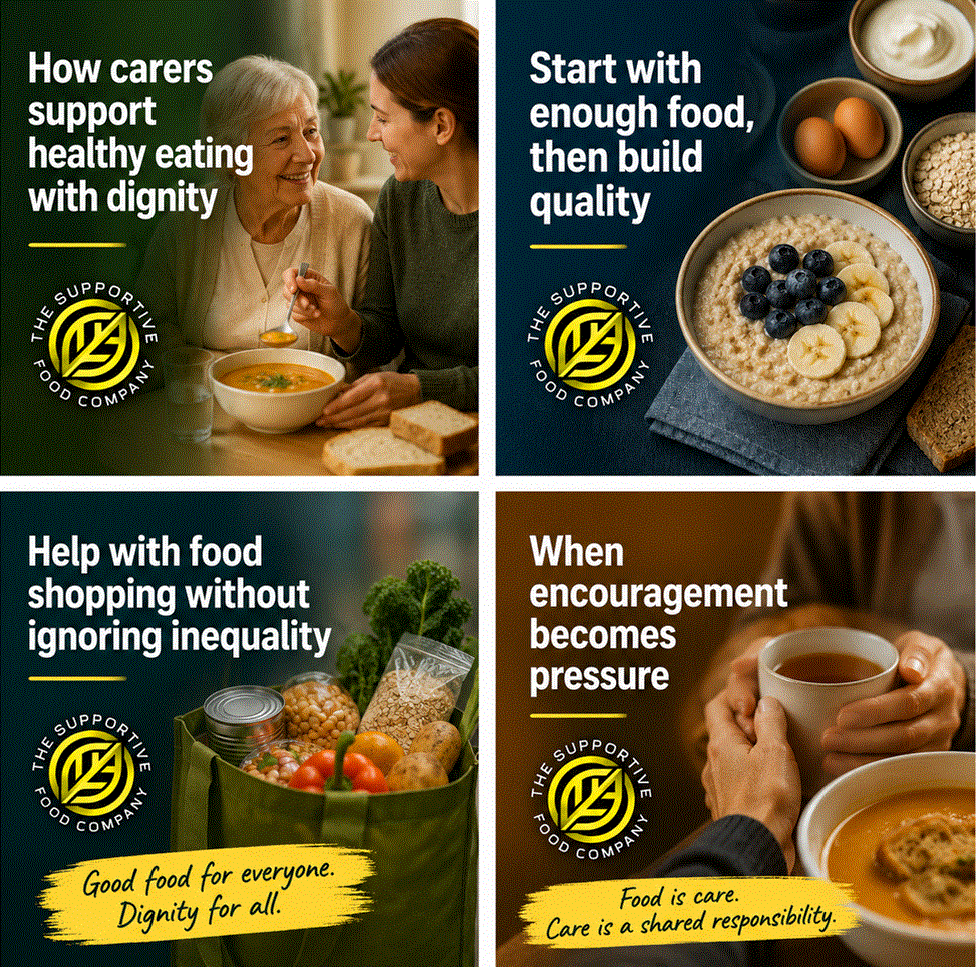
Start with enough food, then build quality
When appetite is low, the priority is often getting enough energy, protein, and fluids rather than aiming for a perfect version of healthy eating. Weight loss, weakness, and dehydration can make recovery and daily life more difficult. For some, a bowl of fortified porridge, full-fat yogurt, egg on toast, or a milky drink is far more useful than a big, “virtuous” meal they can’t finish.
That’s why broad dietary advice needs to be handled with care. Suggestions like choosing low-fat products or loading up on bulky salads might work for some adults, but not for those who are underweight, exhausted, or dealing with treatment side effects. The best approach varies from person to person and should be discussed with a GP, dietitian, speech and language therapist, or other relevant clinician when there are medical concerns.
For people able to eat regular meals, carers can help make healthier choices easier by keeping everyday foods handy: vegetables, fruit, oats, beans, wholegrain bread, eggs, yogurt, tinned fish, safe-to-eat nuts, and other affordable protein sources. Frozen and tinned options count too—they’re often less wasteful, more practical for smaller households, and useful when fresh food isn’t available.
Make meals easier to manage
Tiredness, poor grip, poor sight, breathlessness and pain can turn cooking into an exhausting task. Carers can reduce the effort without reducing the care in a meal. Preparing ingredients in advance, choosing one-pot dishes, using pre-chopped vegetables when affordable, and freezing individual portions may make regular eating more realistic.
Texture also matters. Dry crackers, tough meat or crumbly foods can be difficult for someone with swallowing problems. A sudden cough during meals, a wet-sounding voice, repeated chest infections or food seeming to stick should never be dismissed. Seek professional advice promptly, as swallowing needs require proper assessment. Do not simply blend food or alter textures without guidance, because safety and nutritional value both need consideration.
Small meals and snacks can work better than three large plates of food. A snack tray near a favourite chair, containing suitable items such as banana, yoghurt, cheese and crackers, a sandwich or a fortified drink, can help someone eat when their energy is highest. Fresh water and preferred drinks should be easy to reach too.
Support routines, not rigid rules
Regular meals can steady energy, support medication routines and reduce the likelihood that hunger becomes overwhelming. Yet rigid timetables are not always kind or practical. Someone living with dementia may be more willing to eat in the late afternoon; a person receiving cancer treatment may find mornings unbearable but tolerate food in the evening.
A flexible routine can be a great goal. Jot down what was eaten, what was enjoyed, and any symptoms that followed. Noticing patterns can be helpful—like nausea after certain foods, constipation from low fluid intake, or preferring cold meals when smells are overpowering. This kind of record can also help healthcare professionals give more personalized advice.
Sharing meals can make a difference too. Loneliness can affect appetite, so a cup of tea together, a favorite radio show, or a thoughtfully set table might encourage someone to eat a bit more than they would on their own. Carers don’t need to make every meal a formal event—sometimes company, calm, and patience are all that’s needed.
Help with food shopping without ignoring inequality
Healthy eating advice can sound hollow when money is tight, transport is limited or local shops offer little fresh food. Carers see these barriers first-hand. Supporting nutrition includes being honest about them and finding workable routes around them, rather than blaming people for choices shaped by poverty, disability or time.
Even on a modest food budget, you can cover the basics like porridge oats, potatoes, rice, pasta, pulses, eggs, tinned tomatoes, frozen vegetables, and seasonal fruit. Batch cooking is a money-saver, but it works best if you’ve got freezer space, fuel, and the energy to do it. Community food projects, pantry schemes, and local meal services can be a big help too, though what’s available can vary a lot depending on where you live.
Food support should come without judgement. Everyone deserves good food simply because they’re human, not because they’ve proved they’re worthy. This idea matters for carers helping an older relative, a neighbour, a patient, or someone struggling financially after illness.
When encouragement becomes pressure
It is understandable to worry when someone eats very little. But repeated prompting, bargaining or criticism can make meals distressing and damage trust. Phrases such as “just one more bite” may feel harmless, yet they can be overwhelming for a person dealing with nausea, altered taste, grief or loss of control.
Gentle encouragement often works best: make an offer, wait, pay attention to preferences, and try again later. Focus on praising effort rather than quantity. If food intake has dropped significantly, or there’s rapid weight loss, ongoing vomiting, confusion, dehydration, difficulty swallowing, or a sudden change in appetite, it’s important to seek medical advice instead of carrying the worry alone.
Carers also need care themselves. Meal planning, shopping, cooking, and keeping track of health can be a big daily burden, especially alongside work and family duties. Sharing responsibilities, accepting prepared meals from trusted sources, and speaking up when it becomes too much aren’t failures—they’re part of sustainable caregiving.
Food is care, and care is a shared responsibility
The most meaningful support may be a warm meal, a stocked cupboard, a respectful question or the patience to sit through a slow lunch. It may also mean challenging the bigger conditions that leave people hungry, isolated or unable to afford food that supports their health.
Healthy eating is not a test of willpower, and carers should not be expected to solve food insecurity or illness on their own. But each practical, dignified act can help someone feel safer and more seen. That is a powerful place to begin.
Home | Food | Facebook | Other sources | Investors | Editors | Contact