
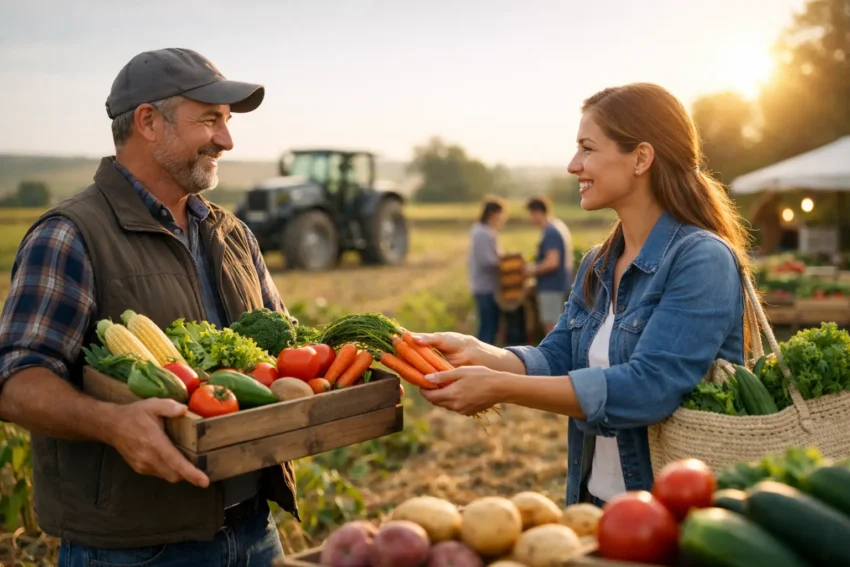
A shopper standing in front of a shelf sees a price, a label and perhaps a farm name. Behind that item may be a grower facing rising fuel costs, poor weather, supermarket pressure and uncertainty about the next season. What people often call the farmers and consumers connection is the effort to make that distance visible – and to build a fairer relationship across it.
This is not simply about buying local when it is convenient. It is about recognising that food is connected to health, livelihoods, land, dignity and the right of every person to eat well. When people can know more about who produces their food, and producers can understand the needs of the communities they feed, better decisions become possible.
Food is a public-health issue, not just a purchase
For people living with cancer, diabetes, heart disease, obesity or other long-term conditions, food choices can feel both urgent and confusing. Advice is often reduced to a list of foods to avoid, while the practical realities are ignored: cost, fatigue, caring responsibilities, limited transport, cooking confidence and what is actually available locally.
A closer relationship between producers and consumers can make food information more useful. A vegetable grower who sells directly at a market, through a veg box scheme or to a community pantry can explain what is in season, how to store it and how to use less familiar produce. That small exchange can make a bag of greens feel more achievable than another abstract message to “eat better”.
It must be said clearly: no single food, farm product or diet can promise to prevent or cure disease. People managing a medical condition should use reliable clinical advice and speak to their healthcare team about individual needs. Yet nutritious, minimally processed food, when it is affordable and accessible, can support everyday wellbeing and help people build more nourishing routines.
Why farmers need a direct connection too
Independent farmers and food producers are too often asked to absorb the risks of a food system that rewards volume and low prices over resilience. They may carry the cost of extreme weather, animal welfare, soil care, packaging, delivery and compliance, while receiving a share of the retail price that does not reflect their labour.
Consumers understandably need food to be affordable. But permanently cheap food can conceal a high social cost. It can mean precarious farm incomes, pressure on workers, depleted soils and communities where fresh food is hardest to find. The answer is not to blame families making difficult choices at the till. It is to challenge a system that makes healthy, ethically produced food feel like a luxury.
Direct sales are not a complete solution. They require time, confidence, digital access and often reliable transport. A small producer cannot always compete with supermarket convenience, and a household on a tight budget cannot always pay a premium. Still, direct relationships can return more value to the farm and more knowledge to the customer, especially when backed by community action and fair policy.
The farmers and consumers connection builds trust
Trust has been weakened by long supply chains, confusing claims and food marketing that can make highly processed products appear healthier than they are. People want to know where their food comes from, but they also need information they can understand without judgement.
Transparency does not require every customer to visit a farm. It can be as straightforward as honest communication about origin, growing methods, seasonality, ingredients and price. Producers should be able to share the realities of their work without being expected to present a perfect image. Consumers should be able to ask questions without feeling embarrassed by what they do not know.
This relationship works both ways. Farmers and producers can learn from carers, patients and community groups about the barriers people face. For example, a household affected by illness may need smaller portions, easy-prep vegetables or flexible collection times. An older person may value clear storage advice to reduce waste. These are practical details, but they determine whether good food is genuinely usable.
Seasonality can be a form of shared knowledge
Seasonal eating is sometimes presented as a lifestyle trend. For many communities, it is simply a practical way to enjoy food at its best value and freshness. When British produce is abundant, there may be more scope for preserving, batch cooking, sharing and trying new recipes.
Seasonality also asks us to accept variety rather than demand every food at every time of year. That does not mean rejecting imported food or making moral rules about every meal. Bananas, pulses, spices and many other foods remain valued parts of healthy diets and cultural food traditions. The point is to give local harvests a meaningful place when they are available, while respecting choice and cultural diversity.
Connection must include people facing food insecurity
A food movement that only serves confident, well-resourced shoppers will not create food justice. The strongest farmers and consumers connection includes people using food banks, living in rural isolation, managing disability, working irregular hours or choosing between heating and groceries.
Community growing projects, social supermarkets, shared kitchens, surplus-food redistribution and farm-to-school initiatives can all help. So can partnerships that allow producers to supply affordable produce to local support organisations. These approaches should not depend solely on charity. People deserve reliable access to good food with choice, privacy and respect.
There is also a role for public institutions. Schools, hospitals, care homes and local authorities purchase large amounts of food. Their buying decisions can support regional producers, improve meal quality and create steadier markets when contracts are designed fairly. Price matters, but so do nutrition, labour standards, animal welfare, environmental care and the long-term health of local economies.
What consumers can do without chasing perfection
Individual choices matter, but nobody should be made to feel that the burden of fixing the food system sits in their shopping basket. Start where your budget, health and circumstances allow. Buying one item directly from a local producer, choosing British seasonal produce, asking a retailer about sourcing or sharing surplus with a neighbour are all meaningful actions.
Reducing food waste is another practical form of solidarity. Plan a few meals around what needs using first, freeze portions when energy is low and treat imperfect produce as food rather than failure. For people affected by illness or caring demands, simpler routines are often more sustainable than ambitious meal plans.
When possible, ask producers what would help them continue. It may be regular orders, realistic collection times, payment upfront for a seasonal box or simply recommendations within the community. A fair food relationship is built through consistency, not occasional gestures alone.
What producers and communities can build together
Farmers and producers should not have to become marketers, nutritionists and delivery services on top of growing food. Shared infrastructure can ease that pressure. Local collection points, cooperative distribution, community-supported agriculture and producer networks can reduce costs and make access more practical.
Clear, compassionate food education matters as well. Recipes should account for budget, time, cooking facilities and health needs. Information about nutrition should be evidence-aware and free from miracle claims. Community groups can create spaces where people exchange skills, cultures and lived experience rather than being talked down to.
Supportive Food Directory exists because these connections need places to grow. Farmers, ethical producers, carers, patients and health-minded communities all hold part of the knowledge needed for a healthier food culture. Bringing those voices closer together helps challenge the false divide between agriculture, healthcare and social justice.
A relationship worth protecting
The future of food cannot be measured only by how quickly a trolley is filled or how cheaply a product is sold. It must also be measured by whether farmers can remain on the land, whether families can afford nourishing meals, and whether people facing illness or hardship are treated with care.
The next worthwhile food conversation may begin very close to home: at a market stall, a community garden, a school gate, a farm shop or around a shared table. Ask who grew the food, what they need to keep going, and who in your community is being left out. Those questions are small acts of attention, but they can help make the food system more human.