
A heart attack doesn’t usually start with one dramatic meal.
It’s more often the result of years of everyday choices—what you put on your toast, the mid-afternoon snack, the quick meal grabbed when you’re tired, and that’s why heart-healthy food swaps matter.
They’re not a trend, and they don’t demand perfection. They simply offer a realistic way to cut down on saturated fat, excess salt, and added sugar, while still honoring your appetite, budget, culture, and the demands of daily life.
For many people, especially those living with long-term conditions or caring for someone who is, the real question isn’t whether diet affects heart health, but how to make better choices without adding stress, waste, or guilt. Small, consistent changes are far more effective than grand plans that fall apart by midweek.
Why heart healthy food swaps work
Heart-healthy food swaps are simple and practical. Instead of creating a whole new diet, you keep the meals you’re familiar with and switch out one ingredient or habit at a time. This approach is often more affordable, less overwhelming, and easier to stick with, especially in households where not everyone eats the same way.
The best swaps boost nutrition without making meals feel bland or joyless. For heart health, that often means cutting back on foods high in saturated fat, processed meats, excess salt, and refined sugars, while adding more fibre, healthy fats, beans, pulses, veggies, fruit, nuts, seeds, and whole grains. But personal circumstances matter—someone recovering from illness may need softer, easy-to-eat foods, someone on a tight budget might prioritize pantry staples, and someone with a low appetite may benefit from gradual changes rather than a complete overhaul.
12 heart healthy food swaps worth making
1. Butter to olive oil spread or rapeseed oil
Butter is a well-loved staple, but it’s also high in saturated fat. In plenty of everyday dishes, an olive oil spread or a little rapeseed or olive oil can work just as well, offering a healthier fat profile. They’re great for toast, mashed potatoes, or roasting vegetables.
Still, not all oil-based spreads are created equal—some are heavily processed or loaded with salt, so checking the label is key. For a budget-friendly option, rapeseed oil is often a dependable choice for British kitchens.
2. Bacon and sausages to beans, eggs or grilled fish
Processed meats might be handy, but eating them regularly isn’t the best choice for long-term health. Try swapping bacon or sausages for baked beans with less sugar and salt, poached eggs, grilled tomatoes, or tinned sardines to keep breakfast or lunch lighter while still packing in protein and nutrients.
That doesn’t mean you can’t ever enjoy a cooked breakfast again—just make it an occasional treat instead of a daily habit.
3. White bread to wholemeal or seeded bread
Wholegrain bread can be great for heart health since it’s usually higher in fibre, which helps manage cholesterol and keeps you feeling full. If wholemeal bread feels a bit too heavy, starting with a 50-50 loaf can be a gentler option.
For those with digestive issues, seeds might not be the best choice every day. The ideal swap is whatever your body handles well and fits within your budget.

4. Crisps to unsalted nuts, seeds or roasted chickpeas
Crisps are easy to overindulge in and often pack a hefty dose of salt. A small handful of unsalted nuts or seeds offers the same satisfying crunch, but with healthier fats and longer-lasting energy. Roasted chickpeas are another great option if you’re craving something savoury.
Portion control is still important. Nuts are nutritious, but they’re not an all-you-can-eat snack. A modest serving is usually plenty.
5. Creamy sauces to tomato, olive oil or yoghurt-based options
Creamy pasta and casserole sauces often pack a lot of saturated fat and salt. Switching to tomato-based sauces, olive oil with herbs, or plain yoghurt added after cooking can lighten things up without sacrificing comfort. For those who are underweight or finding it hard to keep up their intake, richer sauces can still be useful. Good heart health advice should always take the bigger medical picture into account.
6. Full-fat cheese overload to smaller portions or stronger cheeses
Cheese can definitely be part of a heart-friendly diet, but it’s easy for portions to add up fast. Instead of going without, try swapping a big serving of mild cheese for a smaller portion of a stronger variety, and pair it with tomatoes, greens, or beans to round out the meal.
This keeps flavour while easing saturated fat and salt intake.
7. Minced beef to lentils or a half-and-half mix
If your household loves dishes like shepherd’s pie, chili, or spaghetti Bolognese, there’s no reason to stop making them. Just swap part of the minced beef for lentils, beans, or finely chopped mushrooms. It’s a simple way to cut down on saturated fat, add more fibre, and stretch the meal further—perfect during tighter times. And if you like that meaty texture, a half-and-half mix is often easier to get used to than going fully lentil.
8. Salty ready meals to simple batch-cooked alternatives
Ready meals can be a real help when tiredness, treatment, or caring duties leave little time for cooking. The downside is that many are loaded with salt and skimp on vegetables. A better option is to stash portions of homemade soup, stew, dhal, or bean chili in the freezer, made when you have more energy.
Of course, that’s not always realistic, and no one should feel bad about leaning on convenience foods. When batch cooking is doable, it lets you control salt and fat more easily. When it’s not, checking labels and picking meals with extra veggies and less saturated fat is still a smart move.
9. Sugary yoghurts and desserts to fruit with plain yoghurt
Many flavoured yoghurts and chilled desserts look wholesome but carry a lot of added sugar. Swapping them for plain yoghurt topped with fruit, oats or cinnamon can support heart health and blood sugar balance.
If plain yoghurt tastes too sharp, mix a sweetened yoghurt with plain for a week or two and gradually shift the ratio. Gentle change is still change.
10. Salt-first seasoning to herbs, lemon and spices
A lot of salt intake comes from packaged foods, but what we add at home still counts. Using garlic, black pepper, lemon juice, parsley, cumin, paprika or mixed herbs instead of reaching for the salt can help retrain the palate over time.
Taste buds do adapt, though not overnight. Food may seem bland at first. Stay with it.
11. Biscuits and pastries to oat-based snacks
When having tea, many of us instinctively reach for biscuits. Replacing some of those moments with oatcakes topped with peanut butter, porridge sprinkled with berries, or homemade oat slices with less sugar can help manage cholesterol and prevent the blood sugar crash that sends you rummaging in the cupboard an hour later.
This is also a place to be kind with yourself. Ritual and comfort matter. Not every biscuit has to be banished.
12. Takeaway chips to baked potatoes or oven-roasted veg
When a meal needs to feel filling, chips often become the default. A jacket potato with beans, roasted sweet potatoes, or oven-roasted carrots and parsnips can deliver that same comfort with more fibre and less added fat, especially if you control the oil and salt.
If takeaway is part of family life, the swap might simply be ordering less often, sharing portions or balancing the meal with peas, salad or beans.

Making swaps stick in real life
The most effective changes are often the smallest. Choose two simple swaps that fit into meals you already eat each week and keep repeating them until they feel second nature. If Sunday breakfasts and weekday lunches are where you struggle, focus there instead of trying to overhaul dinner too.
It’s also important to think beyond personal responsibility. Food choices are influenced by cost, transport, health, time, disability, and what’s available locally. Telling people to eat better without tackling access isn’t guidance—it’s just blame disguised as advice. Fairer food systems are key for heart health as well.
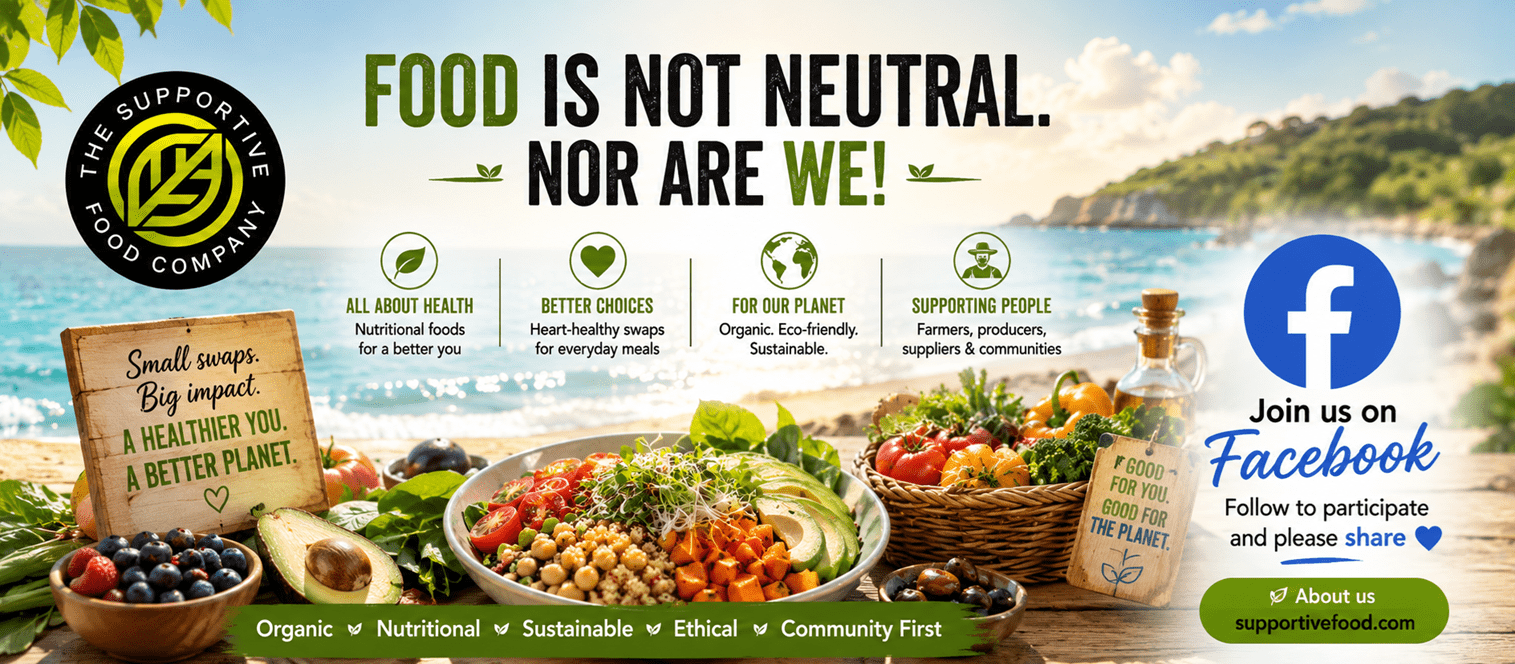
The Supportive Food Directory sits in that space between nourishment and justice, because what’s on the plate is never just about willpower. It’s about whether good food is accessible, affordable, culturally relevant, and practical for the life someone is truly living.
When a heart healthy swap may need adjusting
Sometimes standard advice needs a personal touch. People dealing with cancer treatment side effects, swallowing problems, kidney disease, low appetite, or significant weight loss may need a different mix of foods. High-fibre swaps can be tricky during digestive flare-ups, and lower-fat options might not give enough energy to someone already struggling to eat.
That doesn’t mean heart health stops mattering. It just means nutrition should support the whole person, not just one goal. Whenever possible, getting tailored advice from a GP or dietitian is valuable, especially if medication, multiple health issues, or unplanned weight changes are in play.
Food doesn’t have to be perfect to be helpful. One extra bean-based meal, one less processed meat sandwich, one habit shifted toward care — these are small, repeatable choices that keep the heart strong and remind us better health is still within reach.
 Best wishes and every success,
Anthony Black. Founder