
C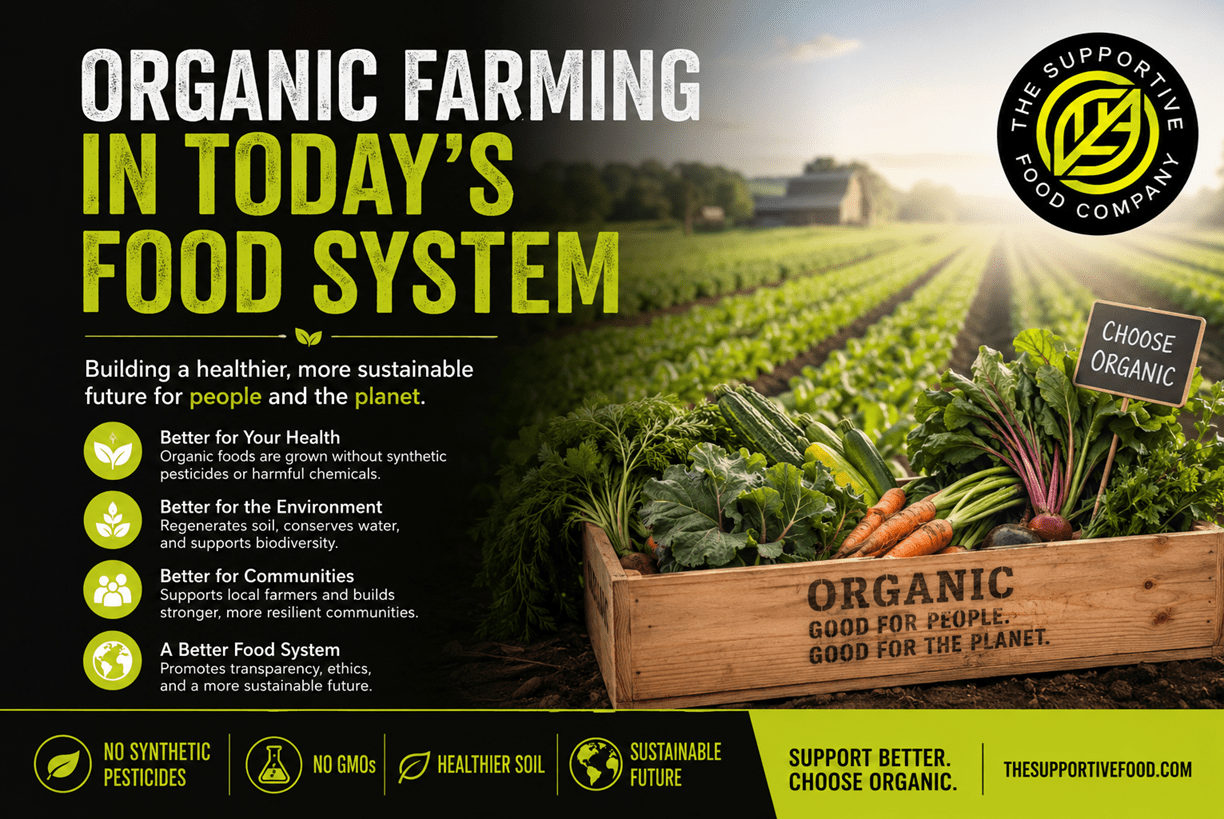 Organic Farming | Farming Practices | Today’s Food System | Advantages & challenges | A Message to Farmers | Farming benefits
These days, organic farmers are growing all sorts of food, fibre, animal products, and natural ingredients for communities around the globe.
Organic farming has expanded well beyond small veggie patches or niche markets, now including fruits, vegetables, grains, pulses, herbs, dairy, eggs, meat, honey, oils, nuts, seeds, cotton, and a wide range of value-added products.
At the same time, it’s helping restore soil health, protect pollinators, cut chemical pollution, and build more resilient farms. Organic farmers are showing that productive agriculture can thrive by working with nature, not against it.
What Organic Farmers Are Producing Today
Organic Fruits and Vegetables
Organic farmers cultivate a variety of fresh produce, including leafy greens, tomatoes, carrots, potatoes, onions, peppers, berries, apples, citrus fruits, bananas, avocados, herbs, and many traditional local crops. They often use methods like composting, crop rotation, mulching, companion planting, and natural pest control. Many organic farms also practice mixed cropping, growing different plants together to reduce pests and improve soil health.
Organic Grains and Cereals
Organic grain farmers grow staple crops like wheat, rice, oats, barley, maize, rye, millet, quinoa, and more. These grains end up in bread, flour, cereals, pasta, animal feed, and many everyday foods. The best results often come from crop rotations that mix in legumes, cover crops, and green manures to naturally restore soil health.
Organic Pulses and Legumes
Beans, peas, lentils, chickpeas, soybeans, and other legumes are key organic crops. They’re great sources of plant-based protein and naturally boost soil health by fixing nitrogen. For organic farmers, they’re especially handy since they cut down on the need for extra fertilizers and help maintain soil fertility over the long term.
Organic Dairy, Eggs, and Meat
Organic livestock farmers raise animals to produce milk, cheese, yogurt, eggs, poultry, beef, lamb, pork, and other products. These systems often focus more on animal welfare, outdoor access, natural feed, lower stocking densities, and preventive health care. When managed well, organic livestock can also help maintain soil fertility by recycling nutrients through manure and pasture-based practices.
Organic Herbs, Spices, and Medicinal Plants
Many organic farmers cultivate herbs and spices like basil, mint, coriander, rosemary, turmeric, ginger, garlic, chili, cinnamon, and other traditional plants. These crops are often highly valuable due to strong market demand and the fact that they can be grown on smaller plots of land.
Organic Nuts, Seeds, and Oils
Organic farmers grow a variety of crops like almonds, walnuts, cashews, sunflower seeds, pumpkin seeds, sesame, flaxseed, olives, coconuts, and other oilseeds. These are commonly used for cooking oils, snacks, plant-based dishes, cosmetics, and natural health products.
Organic Cotton and Natural Fibres
Organic farming goes beyond just food. otton and other natural fibers are cultivated without heavy use of synthetic pesticides or fertilizers, promoting healthier soils, safer working environments, and more sustainable textile production.
What Works Best for Organic Farmers
Organic farming thrives when viewed as a complete system, not merely the absence of chemicals. The most effective farmers emphasize prevention, healthy soil, biodiversity, and thoughtful planning.
Healthy Soil Comes First
The key to thriving organic farming is healthy, living soil. Farmers who put effort into adding compost, manure, cover crops, rotating their crops, mulching, and minimizing soil disturbance often enjoy more robust harvests and greater long-term yields. Good soil retains water, stores nutrients efficiently, nurt helpful organisms, and boosts plants’ ability to handle stress.
Crop Rotation Is Essential
Planting the same crop in the same spot year after year can cause pest issues, disease buildup, and drain the soil of nutrients. Organic farmers often see better results by rotating their crops thoughtfully. A good rotation might mix vegetables, grains, legumes, cover crops, and even rest periods, giving the soil time to recharge and disrupting the life cycles of pests and diseases.
Diversity Makes Farms Stronger
Organic farms tend to thrive when they embrace diversity. This can mean planting a variety of crops, raising livestock, adding hedgerows, attracting pollinators, and preserving natural habitats.
A diverse farm spreads out the risk—if one crop has a bad season, another might do well. It also creates a healthier balance and reduces reliance on costly outside resources.
Compost and Natural Fertility Are Powerful Tools
Compost, animal manure, green manure, and plant residues naturally nourish the soil. They boost soil structure and support the microorganisms that unlock nutrients for plants.
Skilled organic farmers see fertility as something they cultivate over time, not just a quick fix when crops show signs of stress.
Prevention Works Better Than Cure
In organic farming, preventing problems is often more effective than dealing with them later. Farmers tackle pests and diseases by selecting the right varieties, boosting soil health, rotating crops, using barriers, attracting helpful insects, and keeping a close eye on their fields. It takes know-how and patience, but this method can lead to a steadier, more resilient farm.
Local Knowledge Matters
Organic farming isn’t a one-size-fits-all approach. What works in one climate, soil type, or community might not work in another. Successful organic farmers adapt by learning from their land, the seasons, local markets, and fellow farmers. Blending traditional knowledge, modern science, and hands-on experience is key to making it work.
Strong Markets Help Farmers Succeed
Organic farmers thrive when they have steady access to customers, shops, processors, cooperatives, restaurants, schools, or local food networks. Selling directly, joining community-supported agriculture programs, running farm shops, attending farmers’ markets, and offering products online can all help them earn fair value for their hard work.
Why More Farmers Are Considering Organic
Many farmers are turning back to organic methods as conventional farming often brings rising costs, soil exhaustion, chemical reliance, water pollution, pest resistance, and challenges from shifting weather patterns.
Organic farming offers an alternative, helping farmers cut back on costly synthetic inputs, restore soil health, boost biodiversity, and meet the growing demand from consumers who value sustainability.
For some, the shift starts small—with one field, one crop, or a single new practice—and doesn’t need to happen all at once.
Next: A Message to Farmers Using Chemicals ⇒
In this section
- Organic Farming – what is it?
- Common Organic Farming Practices
- Organic Farming in Today’s Food System (this page)
- Advantages & challenges of Organic Farming
- A Message to Farmers Using Chemical Inputs
Home | Food | Facebook | Other sources | Investors | Editors | Contact