
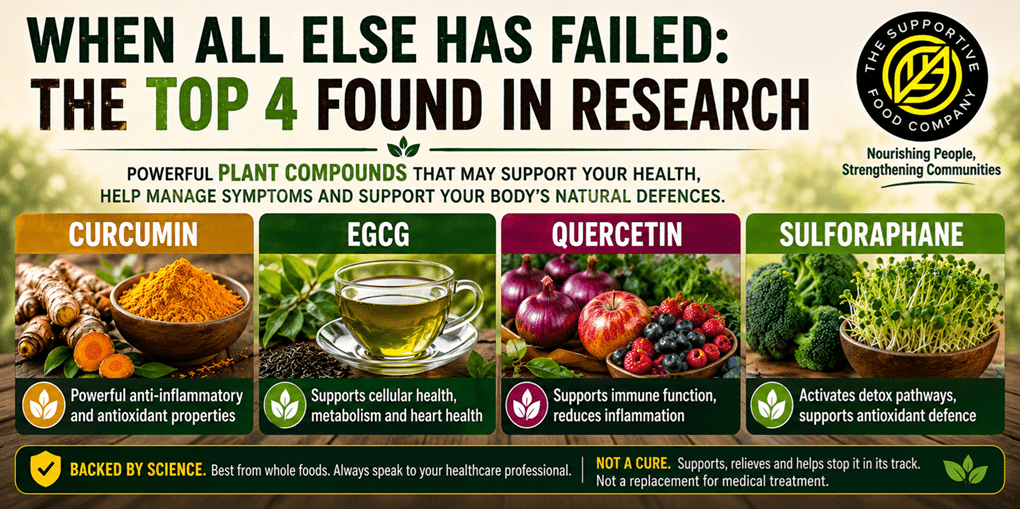
When all else has failed: the top 4 found in research: Download as .pdf
Curcumin, EGCG, Quercetin, Sulforaphane
Question: What are the ups and downs of these four; especially what are the health effects, and which diseases have they been known to help, if not cure when all else has failed?
Answer: None should be described as a complete cure for disease by Curcumin, ECGC, Quercetin, Sulforaphane. The safer, evidence-based facts are that they may support certain biological pathways and may be useful as adjuncts in some conditions, especially when obtained through whole foods.
In layman’s terms: There is no guarantee of cure of disease, only ways to support, relieve and help stop it in its track, for example in the cases of Cancer, Parkinson’s, Arthritis
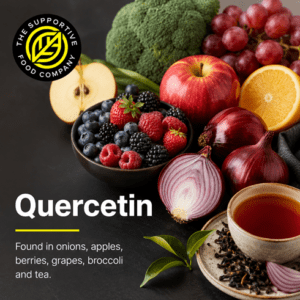 Quercetin
Quercetin is a flavonoid found in foods such as onions, apples, berries, broccoli, tea, citrus fruits, and red grapes. It is studied for antioxidant, anti-inflammatory, immune-modulating, and possible antiviral effects. The NIH Office of Dietary Supplements says it may enhance immune function, reduce inflammation, and protect against viruses, but evidence for reducing respiratory infection risk or COVID severity remains unclear.
Possible upsides: the best human evidence is modest. A 2024 meta-analysis of 20 randomized trials found quercetin slightly reduced systolic blood pressure and fasting blood glucose, but did not significantly improve triglycerides, HDL cholesterol, waist circumference, or diastolic blood pressure. The effect size was small, so this is not a substitute for diabetes or blood-pressure treatment.
It may also have some relevance for rheumatoid arthritis symptoms and PCOS-related metabolic/hormonal markers, but the evidence is still limited. Memorial Sloan Kettering notes one study in women with rheumatoid arthritis found improved symptoms and disease activity, while a PCOS review found only three human studies, generally using 1000 mg for six weeks, with no serious adverse events reported but limited certainty.
For allergies, quercetin is often promoted because it can inhibit histamine-related inflammatory responses in lab studies. However, Memorial Sloan Kettering says clinical trials for treating allergies and inflammation have not been conducted, so claims should be cautious. For cancer, there is substantial lab evidence, but human clinical evidence is mixed and insufficient; it should not be presented as a cancer treatment or proven cancer-prevention supplement.
Downsides/cautions: quercetin supplements may interact with medicines, including immune-suppressing drugs, pravastatin, fexofenadine, blood-pressure medicines, and drugs metabolized through CYP3A4 or CYP2C19 pathways. Reported side effects are usually not severe, but can include digestive upset, reflux, constipation, diarrhea, flatulence, and sleep problems.
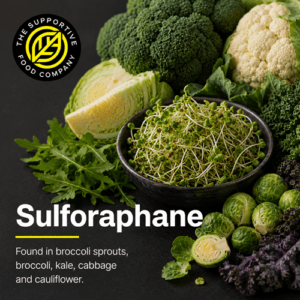 Sulforaphane
Sulforaphane is formed from glucoraphanin in cruciferous vegetables, especially broccoli sprouts, when they are chopped, chewed, or otherwise activated by the enzyme myrosinase. It is best known for activating Nrf2 and phase-2 detoxification pathways, which are involved in antioxidant defence, inflammation regulation, and handling certain toxins.
Possible upsides: sulforaphane has more interesting human evidence than many plant compounds, but most studies are still small or early-stage. In type 2 diabetes, a clinical study found concentrated broccoli sprout extract reduced fasting blood glucose and HbA1c in obese patients with dysregulated type 2 diabetes. That is promising, but it does not replace metformin, insulin, diet, or medical care.
For autism spectrum disorder symptoms (not a disease!), a 2025 systematic review and meta-analysis of six randomized controlled trials found sulforaphane was associated with improvements in some symptom scores, including total symptoms, aberrant behaviour, hyperactivity, social interaction, and communication, with adverse events similar to control groups. The authors still advised caution because outcomes depend on assessment tools, assessors, and treatment duration.
For H. pylori/gastritis, a small human study found 70 g/day of broccoli sprouts for eight weeks reduced markers of H. pylori colonisation and gastric inflammation, but values returned toward baseline after stopping. This suggests possible supportive value, not eradication or a replacement for antibiotic treatment when H. pylori treatment is medically needed.
For cancer prevention, the evidence is biologically plausible but not definitive. In recurrent prostate cancer, one phase II study found sulforaphane-rich extract did not achieve the main goal of large PSA declines in most patients, although PSA doubling time lengthened and treatment was reported as safe with no grade 3 adverse events. This is “promising but unproven,” not a cancer cure.
Sulforaphane has also been studied for detoxification of pollutants. A 12-week clinical trial in China found a broccoli sprout beverage increased urinary excretion of benzene and acrolein, suggesting it may support detoxification pathways after exposure to some air pollutants.
Downsides/cautions: broccoli sprouts and sulforaphane are generally well tolerated, but digestive problems, nausea, and vomiting have been reported in some studies. Broccoli sprout intake may also affect drug-metabolising enzymes, so concentrated supplements should be used cautiously with medication.
Raw sprouts carry a real food-safety risk. The FDA advises pregnant people to avoid raw sprouts and to cook sprouts thoroughly because warm, humid sprouting conditions can allow harmful bacteria to grow. This caution is also sensible for older adults and immunocompromised people.
Curcumin & EGCG
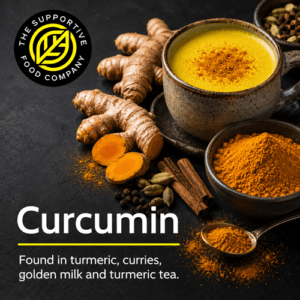 Found in: curcumin is the main active curcuminoid in turmeric, the yellow-orange root/spice used in curries, turmeric tea, golden milk, spice blends, and some food colourings. Curry powder usually contains turmeric, but the curcumin amount can be variable and often fairly low.
Possible upsides: curcumin is mainly studied for anti-inflammatory and antioxidant effects. The most practical evidence is for osteoarthritis, especially knee pain and stiffness, where several reviews suggest potential benefit, though higher-quality evidence is still needed. It may also help improve some markers in non-alcoholic fatty liver disease / fatty liver, but the evidence is not yet consistent enough to be definitive. There is also early evidence that turmeric or curcumin preparations may help oral mucositis — mouth inflammation linked with cancer treatment — but this should be treated as supportive care, not a treatment for cancer itself.
Diseases/conditions it may help support:
Most plausible: osteoarthritis symptoms, general inflammatory burden, and possibly some fatty-liver markers. More tentative: inflammatory bowel conditions, depression-related inflammation, PMS, metabolic syndrome, and cancer-treatment side effects. It is not proven to cure arthritis, liver disease, cancer, depression, or inflammatory bowel disease.
Downsides/cautions: turmeric in food is generally considered safe for most people, but concentrated curcumin supplements are different. Side effects can include nausea, reflux, stomach upset, diarrhoea, constipation, rash, or itching. Higher-bioavailability formulas — especially those designed to improve absorption, sometimes with black pepper/piperine — have been linked to rare but sometimes serious liver injury. Warning signs include fatigue, nausea, poor appetite, dark urine, jaundice, abdominal pain, or unusual weakness.
Curcumin supplements can also interact with medications, including blood thinners, some painkillers, chemotherapy drugs, and tacrolimus. Memorial Sloan Kettering specifically advises caution with chemotherapy and notes potential kidney-stone concerns in people with a history of stones.
 EGCG
EGCG
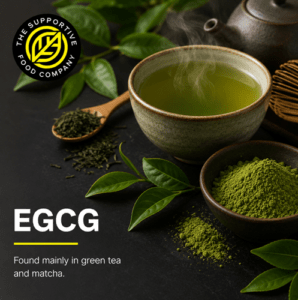
Found in: EGCG is found mainly in green tea, including matcha, because matcha uses powdered whole green tea leaf. It is also present in white tea and, usually in lower or more variable amounts, in oolong and black tea because processing changes the catechin profile. Green tea and matcha are the main food/drink sources to focus on.
Possible upsides: EGCG is studied for antioxidant, anti-inflammatory, cardiometabolic, and cell-signalling effects. Human evidence is strongest around cardiovascular and metabolic markers, not cures. Green tea supplementation has been associated with improvements in lipid and glycaemic profiles, and meta-analyses suggest green tea catechins may modestly improve blood pressure, total cholesterol, and LDL cholesterol.
Diseases/conditions it may help support:
Most plausible: cholesterol balance, mild blood-pressure support, blood-sugar/metabolic markers, and general antioxidant support. More tentative: weight management, cognitive ageing, cancer prevention, and inflammatory conditions. For cancer, EGCG is interesting in lab and early human research, but it should not be presented as a cancer treatment or cure.
Downsides/cautions: brewed green tea is generally safe for most people, though too much can cause caffeine-related sleep disruption or headaches. Concentrated green tea extract / EGCG supplements are more concerning. High doses have been linked with nausea, abdominal pain, raised liver enzymes, and rare cases of liver injury. LiverTox notes that more than 100 cases of clinically apparent liver injury have been attributed to green tea extract, although the risk is low compared with widespread use.
EGCG and green tea extracts can also interact with medications, including anticoagulants/antiplatelets, bortezomib, tamoxifen, verapamil, irinotecan, CYP3A4-metabolised drugs, nadolol, and some statins. This matters especially for people on cancer therapy, heart medicines, blood thinners, or liver-affecting medicines.
Simple food-first summary
Curcumin, from turmeric, and EGCG, from green tea and matcha, may support antioxidant and anti-inflammatory pathways. Curcumin has the strongest practical evidence for helping osteoarthritis symptoms, while EGCG/green tea has the strongest evidence for modest support of cholesterol, blood pressure, and metabolic markers.
Practical take
For most people, the safest approach is food first: onions, apples, berries, tea, broccoli, cabbage, kale, rocket/arugula, cauliflower, and lightly cooked or safely prepared broccoli sprouts. Supplements are where the interaction and dosing concerns become more important.
The most defensible wording would be: “Quercetin and sulforaphane may support antioxidant and anti-inflammatory pathways and show promise in certain conditions, but they are not proven cures and should not replace medical treatment.”
As with quercetin and sulforaphane, neither curcumin nor EGCG can be described as a cure. The strongest wording is that they may support anti-inflammatory, antioxidant, metabolic, and cellular-protection pathways, and may help with certain symptoms or health markers.