
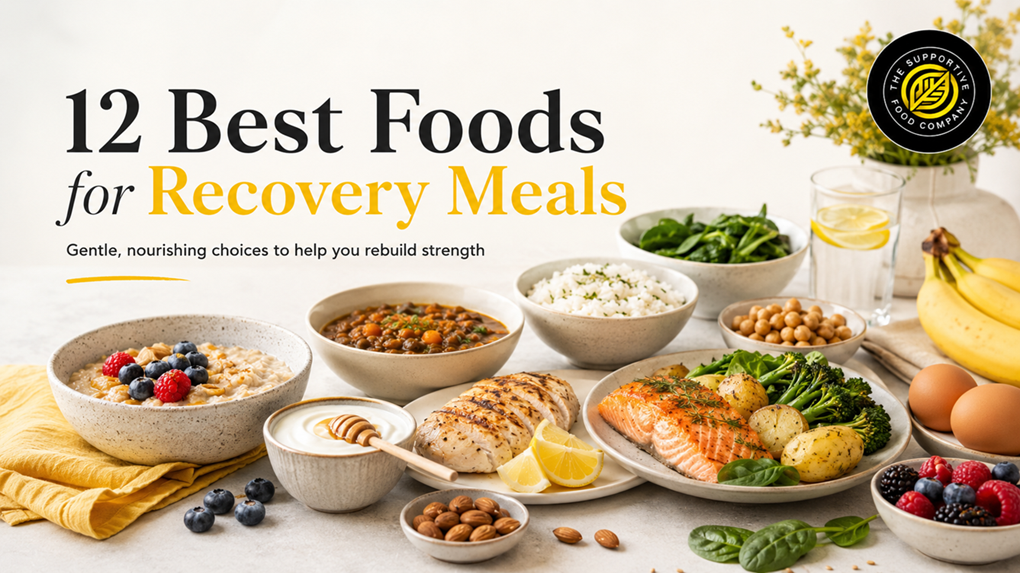
 Best Foods for Recovery Meals: Gentle, Nourishing Choices to Help You Rebuild Strength
Recovery can change the way food feels. Some days, eating may feel easy and comforting. Other days, appetite may be low, energy may come and go, or the body may simply ask for something soft, simple and reassuring.
The best foods for recovery meals are not always fancy or complicated. Often, they are the familiar foods that help the body feel supported: nourishing, manageable, affordable where possible, and realistic for the person eating them.
That is important because recovery happens in real life. It sits alongside tiredness, pain, nausea, caring responsibilities, limited budgets, emotional ups and downs, and days when cooking feels like too much. A good recovery meal should help the body without adding pressure. It should offer comfort, dignity and flexibility, while respecting different health needs and personal circumstances.
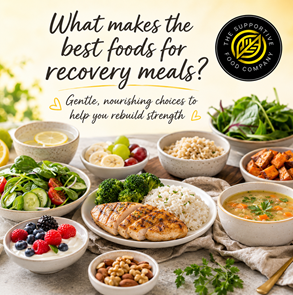 What makes the best foods for recovery meals?
During recovery, the body often needs a little extra support. Protein helps repair tissues and maintain muscle. Carbohydrates provide energy, which is especially helpful when the body is working hard to heal. Healthy fats can add concentrated nourishment when appetite is small. Vitamins, minerals and fluids all play a part in hydration, immune function and general resilience.
But there is no single perfect recovery plate, and that can be a reassuring thing. Someone recovering from surgery may need soft, easy-to-digest meals. Someone living with cancer may be coping with taste changes or nausea. Someone managing diabetes may need to balance blood sugar as well as strength-building. Recovery food works best when it is flexible, kind and realistic.
 Eggs
Eggs
Eggs are a wonderfully useful recovery food. They are versatile, often affordable, and rich in protein. They also provide helpful nutrients such as choline, B vitamins and selenium, which support general health while the body repairs itself.
For many people, eggs feel easier than a large portion of meat. Scrambled eggs, poached eggs on toast, or a soft omelette with vegetables can be gentle and satisfying. If smells are difficult, cold egg mayonnaise sandwiches or chopped boiled eggs with mashed avocado may feel more appealing.
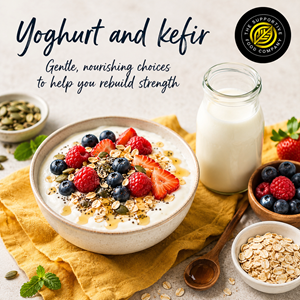 Yoghurt and kefir
Yoghurt can be a soothing choice when appetite is low or the stomach feels unsettled. Greek yoghurt is especially useful because it gives a good amount of protein in a small serving. Kefir may also suit some people, particularly those who enjoy fermented foods that support gut health.
Plain varieties are a good starting point, and they can be made more nourishing with fruit, oats, nut butter or seeds. Smooth yoghurt can also be helpful when the mouth is sore or swallowing feels difficult. For people who avoid dairy, fortified soya yoghurt can offer a soft, nourishing alternative.
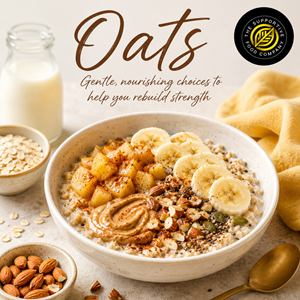 Oats
Oats
Oats are steady, comforting and easy to adapt. They provide carbohydrate for energy, soluble fibre for digestive support, and enough substance to feel grounding without being too heavy.
Porridge is a classic recovery meal, especially when made with milk or a fortified alternative rather than water.
Overnight oats, blended oat smoothies and soft oat bakes can also work well. Adding stewed fruit, ground seeds or a spoonful of nut butter can make oats more sustaining without making them harder to eat.
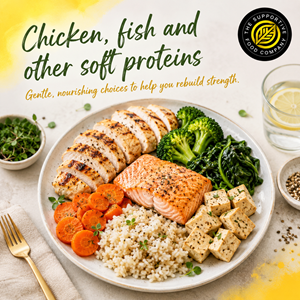 Chicken, fish and other soft proteins
Protein is an important part of healing, and soft proteins are often easier to manage than tougher foods. Poached chicken, flaky white fish, salmon, turkey mince, tofu, lentils and well-cooked beans can all be helpful options.
Salmon is especially valuable because it provides both protein and omega-3 fats. White fish can feel lighter and plainer, which may suit people who need gentler meals. If meat or fish feels unappealing, softer plant proteins such as lentils, tofu and blended beans can still provide meaningful nourishment.
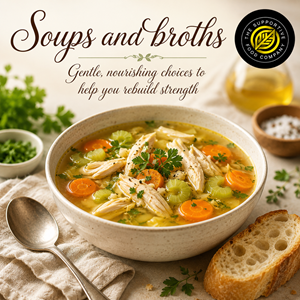 Soups and broths
Soup can be one of the kindest recovery meals. It is warm, flexible and often easier to sip slowly than a full plate of food. A good soup can bring together protein, vegetables, fluids and comfort in one bowl.
The key is to make soup nourishing enough. A thin vegetable broth can be soothing, but it may not provide enough energy or protein on its own. Adding lentils, chicken, beans, milk, yoghurt, grated cheese, blended tofu or olive oil can turn soup into a more supportive recovery meal. Bread, rice or noodles on the side can help make it more filling too.
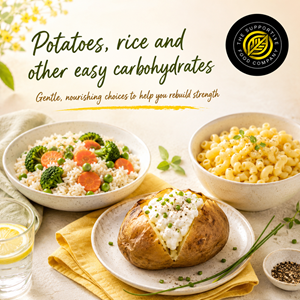 Potatoes, rice and other easy carbohydrates
Carbohydrates are sometimes overlooked, but they matter during recovery because healing takes energy. Potatoes, rice, pasta, couscous and noodles can all be useful because they are familiar, affordable and often easy to digest.
A jacket potato with cottage cheese, soft rice with chicken and vegetables, or buttered pasta with salmon may be much more achievable than a complicated meal.
When nausea is present, bland carbohydrates are often the first foods people can manage. That is not failure. It is a sensible and gentle starting point.
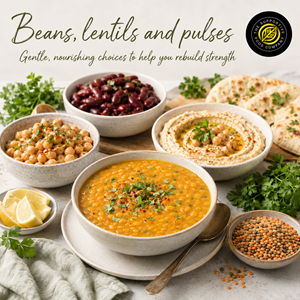 Beans, lentils and pulses
Beans, lentils and pulses can be brilliant recovery foods. They are affordable, nourishing and versatile, offering protein, fibre, iron, folate and slow-release carbohydrate.
They are also a reminder that good recovery food does not have to be expensive. In communities facing food insecurity, beans and lentils can be an important way to make nourishing meals more accessible.
Tolerance varies, though. Some people find beans too filling or windy during recovery, especially after surgery or when digestion is sensitive. Red lentils, split peas and well-cooked tinned pulses may be gentler than larger beans. Blended dals, lentil soups and hummus can also be easier to manage than a heavy bean stew.
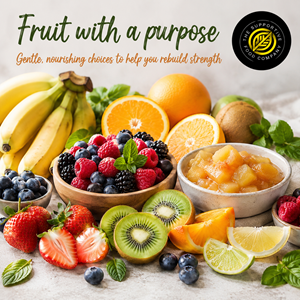
Fruit with a purpose
Fruit can bring colour, freshness, fluid and useful vitamins into recovery meals. Berries, oranges, kiwi, bananas, stewed apples and pears can each play a helpful role.
Bananas are soft, plain and easy to eat. Berries and citrus can add brightness and vitamin C, although acidic fruit may sting if the mouth is sore.
Stewed or tinned fruit in juice can be easier than raw fruit for people with chewing difficulties or digestive sensitivity. The best fruit is often the one that feels good and actually gets eaten.
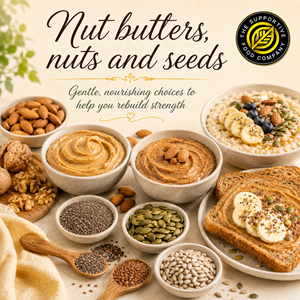 Nut butters, nuts and seeds
When appetite is small, little additions can make a big difference. Peanut butter, almond butter, tahini, ground flaxseed, chia seeds and chopped nuts can add energy, healthy fats and a little protein without needing a large portion.
They can be stirred into porridge, spooned into yoghurt, blended into smoothies or spread on toast. Whole nuts may not suit everyone, particularly people with dental problems or swallowing concerns, but smooth or ground versions can be very useful. For anyone feeling nauseous, smaller amounts may be easier than very rich portions.
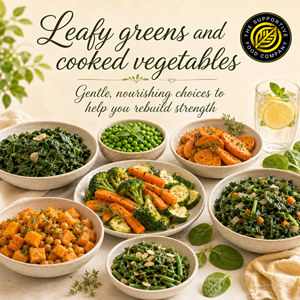 Leafy greens and cooked vegetables
Vegetables are helpful during recovery, but they do not need to appear as big raw salads to count. Spinach, carrots, peas, courgettes, sweet potatoes and butternut squash can all bring vitamins, minerals and plant compounds that support overall health.
Cooked vegetables are often gentler than raw ones. A handful of spinach in scrambled eggs, blended vegetables in soup, or mashed sweet potato with fish can be simple and nourishing. Frozen vegetables are also a great option. They reduce waste, save preparation time and make it easier to keep helpful basics nearby.
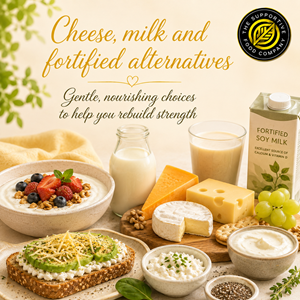 Cheese, milk and fortified alternatives
Dairy foods can be useful during recovery because they provide protein, calcium and energy in easy-to-use forms. Cheese melted into soup, milk stirred into porridge, yoghurt with fruit, or custard after a meal can all add nourishment without much effort.
For people who do not use dairy, fortified plant alternatives can help too, though they vary. Fortified soya milk is often closest to cow’s milk nutritionally, especially for protein. Oat drinks may be enjoyable and easy to use, but they are often lower in protein. Checking labels can help when these foods are being relied on regularly.
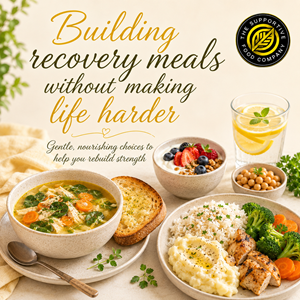 Building recovery meals without making life harder
Recovery meals do not need to look perfect. Sometimes recovery looks like soup and toast. Sometimes it looks like yoghurt in the middle of the morning because breakfast was not possible. Sometimes it is mashed potato, baked beans and grated cheese because that is familiar, affordable and comforting.
A simple way to build a recovery meal is to think in threes: something with protein, something with energy, and something that brings colour or fluid. That might be eggs, toast and tomatoes. It might be lentil soup, bread and a banana. It might be salmon, rice and peas.
If full meals feel too much, smaller eating moments across the day can still help. A smoothie, a bowl of yoghurt, toast with peanut butter, a mug of soup, or a small portion of leftovers can all count.
For people supporting someone they love, gentleness matters. Offer choices rather than pressure. Keep easy staples nearby. Remember that taste, appetite and tolerance can change from day to day. Food should feel like support, not another battle.
Supportive Food Directory exists because nourishment is never just a private matter. Recovery is shaped by income, access, caring work, local food systems and the quality of information people receive. Good food advice should meet people where they are, with kindness and practical hope.
If you are rebuilding strength, caring for someone else, or simply trying to make the next meal a little more helpful than the last, start with what is possible. A warm bowl, a soft texture, a little extra protein, a familiar flavour, and a patient approach can all make a real difference.
Recovery does not require perfection. It grows through small, steady acts of care — one manageable meal at a time.