
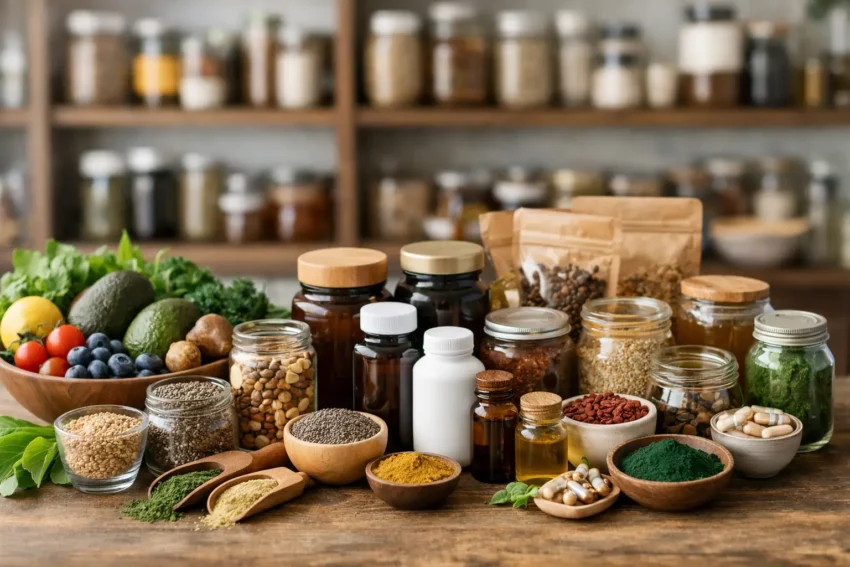
A good health food shop tells you what it values before anyone reaches the till. If the shelves are crowded with expensive fads but short on real nourishment, people notice. Choosing the best foods and supplements to stock in a health food shop is not only a buying decision – it is a public health decision, a trust decision and, in many communities, an access decision too.
For many customers, especially those living with chronic illness, supporting a loved one through treatment, or trying to eat well on a stretched budget, a health food shop can feel like a lifeline. That means your range should not be built around trends alone. It should be built around usefulness, evidence, affordability where possible, and respect for the different ways people manage their health.
What makes the best foods and supplements to stock in a health food shop?
The strongest stock profile usually sits at the meeting point of four things: nutritional value, consistent demand, clear quality standards and genuine accessibility. That sounds simple, but it asks for discipline. A product may be fashionable on social media and still be poor value, overhyped or irrelevant to most people walking through the door.
A better question is this: does this item help people eat or supplement well in ordinary life? Can a carer pick it up for someone recovering from illness? Will an older customer understand what it is for? Can someone with diabetes, digestive problems or treatment-related fatigue use it without needing a degree in wellness marketing?
That is why the best-selling and most worthwhile ranges often include familiar staples with a strong nutritional case, rather than only novel products with glossy packaging.
Start with food that supports everyday health
Food should remain the anchor. Supplements have a place, sometimes an important one, but a health food shop earns trust when it treats real food as the foundation.
Whole grains deserve a central place on the shelf. Oats, brown rice, quinoa, wholegrain pasta, barley and buckwheat are practical, filling and versatile. They appeal to people trying to improve heart health, blood sugar balance and digestive regularity. Oats in particular are useful because they are affordable, widely understood and suitable for many households.
Pulses are another essential category. Lentils, chickpeas, butter beans and black beans offer fibre, plant protein and mineral support at a comparatively low cost. They matter for customers trying to reduce meat intake, manage food bills or cook more for family members with long-term health conditions. Tinned and dried formats both have value – dried for economy, tinned for convenience.
Nuts and seeds are worth stocking thoughtfully rather than extravagantly. Almonds, walnuts, pumpkin seeds, chia seeds, flaxseed and sunflower seeds each bring something useful, whether healthy fats, protein, magnesium or omega-3 precursors. Smaller pack sizes help people buy in without a steep upfront cost, while larger refill-style options can serve regular customers and cut packaging waste.
Good oils and pantry basics also matter more than many shops realise. Extra virgin olive oil, rapeseed oil, tomato products with no unnecessary additives, herbs, spices, low-salt broths and unsweetened nut butters all help people cook nourishing meals rather than rely on ultra-processed convenience foods. If your food range makes healthy cooking easier, it serves people long after they leave the shop.
Prioritise foods for common health concerns
A thoughtful range recognises that many customers are shopping with a condition, symptom or risk factor in mind. That does not mean turning every shelf into a medical claim. It means stocking foods that align sensibly with broad evidence-based needs.
For heart health, high-fibre grains, oats, pulses, nuts, seeds and lower-salt options make sense. For blood sugar support, shoppers often appreciate high-fibre staples, unsweetened products and snacks with protein rather than sugar spikes. For digestive health, fermented foods such as live yoghurt, kefir, sauerkraut and kimchi may be useful, though demand can vary by area and storage capacity.
For people dealing with cancer treatment, menopause, frailty or reduced appetite, the equation changes slightly. Nutrient density and ease of use can matter more than idealised wellness messaging. Smooth nut butters, simple broths, quality soups, oat-based products, protein-rich snacks and easy-to-digest foods can be genuinely helpful. It depends on the person, of course, and no shop should imply a food can treat disease. Still, practical sensitivity matters.
Supplements should be evidence-led, not trend-led
When deciding on the best foods and supplements to stock in a health food shop, supplements need tighter scrutiny than food. Customers often assume that if a shop sells a supplement, it has already been vetted for usefulness and safety. That is a serious responsibility.
A strong core supplement range usually starts with products that meet common, sensible needs. Vitamin D is a clear example in the UK, especially through autumn and winter and for people at higher risk of low levels. A well-made vitamin D3, and a vegan-friendly D2 or plant-based alternative where appropriate, is a sensible staple.
Omega-3 supplements can also justify their place, particularly where oily fish intake is low. Some customers will prefer fish oil, others algae-based options. Magnesium remains popular, though the form matters. Magnesium glycinate or citrate may be better tolerated or better suited to certain needs than cheaper forms that are poorly absorbed or more likely to upset the stomach.
A basic, well-formulated multivitamin can be useful for some people, especially where diet is limited, appetite is low or life circumstances make consistency difficult. But this category is crowded with poor formulations. Avoid ranges packed with megadoses, filler ingredients or exaggerated claims.
B12 is important to stock, especially for vegans, vegetarians and some older adults. Folate, iron and calcium may also be relevant, but these need more care. Iron in particular should not be sold as a casual energy fix for everyone. Signposting customers to seek clinical advice where symptoms are involved protects both them and your integrity.
The supplements most shops overstock
Many health food shops lose money and credibility by overcommitting to products that sound exciting but have narrow demand or weak evidence. Fat-burning blends, detox kits, collagen products with inflated promises, mushroom mixes with vague claims, and expensive green powders often attract attention but not always repeat trust.
That does not mean they never belong on the shelf. Some customers actively want them, and a few may have a reasonable case when sourced carefully. But they should not crowd out the basics. If shelf space is limited, choose proven need over fashionable noise.
The same caution applies to condition-specific supplements making borderline medical claims. If labelling feels slippery or overly dramatic, it probably is. A values-led shop should not rely on fear, false hope or customer confusion to move stock.
Quality, affordability and ethics all matter
People do not only want products that are healthy. They also want to know where they come from, how they were made and whether they are priced fairly. That is especially true for customers already living with the financial pressure that often accompanies ill health or caring responsibilities.
So stock should reflect a balance. Organic lines may matter in some categories, but not every customer can absorb the premium. Own-label or lesser-known ethical brands can sometimes offer better value than the best-known names. Transparent ingredient lists, minimal additives, responsible sourcing and sensible pack sizes all help build trust.
Where possible, include products from independent growers and producers whose practices align with soil health, fair work and community resilience. Supportive Food Directory has long argued that food is never just a retail item – it is tied to farming livelihoods, disease burden, local access and social justice. Your shop range can quietly embody that principle every day.
Stock for the people who actually shop with you
This is where many buying plans go wrong. They are built for an imagined customer rather than the real community. A town with many older residents may need digestible staples, low-salt options, vitamin D, B12 and simple meal supports. An area with younger families may respond more strongly to lunchbox-friendly snacks, allergen-aware basics and affordable pantry foods. A shop near clinics, wellness centres or support groups may see stronger demand for condition-conscious products.
Talk to people. Ask what they struggle to find. Notice what gets requested repeatedly. Watch what sells twice, not just once. A product with a lower margin but steady weekly turnover often does more good than a premium line that sits untouched.
A health food shop should feel useful, not intimidating
Merchandising matters here. If foods and supplements are arranged in a way that only committed wellness insiders can decode, many customers will walk out feeling that the shop is not for them. Clear shelf language, plain explanations and grouped categories based on need can help without turning the space into a clinic.
Keep the tone grounded. Customers appreciate guidance such as immune support, digestive support or high-fibre staples, but they do not need miracle language. They need honesty, clarity and enough information to choose well.
The shops that stay valued in their communities tend to do one thing consistently: they respect people. They do not sell aspiration without nourishment. They do not turn vulnerability into a sales tactic. They stock foods people can cook, supplements people can understand, and products that make better health feel a little more reachable. That is a stronger foundation than any trend, and it is one worth holding onto.