
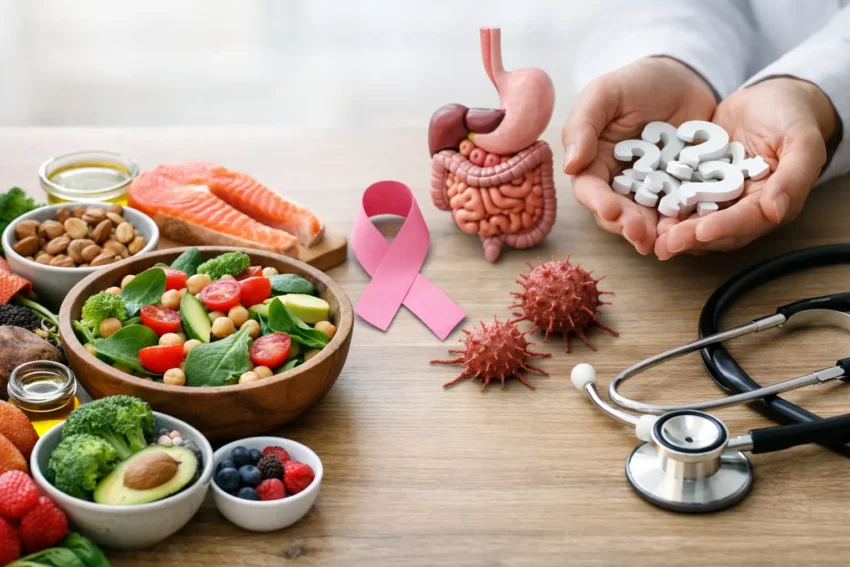
A cancer diagnosis can turn an ordinary meal into a source of worry. People are often handed contradictory advice: eat only “clean” foods, cut out sugar, take a supplement, avoid this, eat more of that. The most common questions about nutrition and cancer are rarely about chasing perfection. They are about strength, comfort, appetite, safety and how to keep going when life has already changed.
Food can support the body through cancer, but it should never be presented as a cure or a test of personal virtue. Cancer is not caused by one imperfect meal, and no one should be made to feel responsible for their illness because of what they have eaten. Good nutrition advice is practical, individual and grounded in dignity.
Can food cure cancer?
No food, diet, juice plan or supplement has been shown to cure cancer on its own. Treatment decisions should be made with the oncology team, and nutrition should sit alongside treatment as supportive care.
That does not make food unimportant. Eating enough energy, protein, vitamins and minerals can help people maintain weight and muscle, cope with treatment, recover from surgery and feel more able to manage day-to-day life. Needs can change quickly, however. A person losing weight during chemotherapy may need nourishing, higher-calorie foods, while someone feeling well after treatment may be focused on a longer-term pattern of eating that supports heart health and overall wellbeing.
The central question is not, “What is the perfect anti-cancer diet?” It is, “What food is realistic, safe and helpful for me right now?”
Should I cut out sugar?
This is one of the most persistent questions about nutrition and cancer. Cancer cells use glucose, but so do healthy cells. Cutting out all sugar does not starve a tumour, and extreme restriction can make it harder to get enough food when appetite is poor.
It is sensible for most people to limit frequent sugary drinks and highly processed foods that displace more nourishing choices. But during treatment, a yoghurt, custard, milkshake or a slice of cake may be a useful source of calories when little else appeals. Context matters more than rigid rules.
If you have diabetes, unexplained high blood sugars or are taking steroids as part of treatment, ask your cancer team or a registered dietitian for personal advice. Blood glucose management may need extra attention, but it should not become another burden carried alone.
What should I eat during treatment?
There is no single cancer menu. The best choices depend on treatment, symptoms, weight changes, cultural preferences, budget, dental health and whether somebody else is cooking. A nutrient-dense eating pattern often includes vegetables and fruit, beans and pulses, wholegrains, nuts and seeds, and protein foods such as eggs, fish, dairy, tofu, chicken or lean meat.
Yet treatment can make those familiar foods difficult. Taste may change. Mouth ulcers can make toast painful. Constipation, diarrhoea, nausea and fatigue can all alter what is manageable. On difficult days, the priority may simply be small meals, regular drinks and easy protein.
Try adapting food to the symptom rather than forcing a prescribed plan. Cold foods may be easier when smells trigger nausea. Soft meals such as porridge, scrambled egg, soup, yoghurt or mashed pulses can help with a sore mouth. If portions feel overwhelming, aim for something small every two to three hours. Adding cheese, full-fat yoghurt, nut butter, olive oil or powdered milk to suitable foods can increase energy without requiring a larger plate.
For carers, this is a reminder that encouragement is kinder than pressure. Offering two manageable choices is often more helpful than insisting someone finish a meal.
Protein deserves particular attention
Cancer and its treatment can increase the risk of losing muscle, especially when weight is falling. Protein helps maintain and repair body tissue. Including a protein food at meals and snacks can be useful: for example, beans on toast, yoghurt with oats, hummus with pitta, cheese and crackers, an egg sandwich, or lentil soup.
A dietitian can give more specific targets where needed, particularly after major surgery, during intensive treatment or where malnutrition is a concern.
Is it safe to take vitamins, herbs or supplements?
Supplements are not automatically harmless because they are sold as natural. High-dose antioxidants, herbal remedies and concentrated extracts can interact with medicines, affect blood clotting or interfere with treatment. Products bought online may also be poorly regulated or make promises that no responsible provider can support.
Tell the oncology pharmacist, consultant, specialist nurse or dietitian about everything you take, including teas, powders and traditional remedies. This is not about judgement. It is about protecting you from avoidable harm.
A supplement may be appropriate when a blood test shows a deficiency, when diet is restricted, or where a clinician recommends it for a specific reason. That is different from taking large doses in the hope of treating cancer. Save your money, energy and hope for care that is evidence-informed and personally appropriate.
What if I cannot afford the food I am advised to eat?
Nutrition guidance that ignores household income is not truly supportive. A person cannot build meals around fresh berries, speciality powders and expensive fish if they are choosing between heating and food. Cancer can also reduce income while increasing travel, care and energy costs.
Affordable nourishing foods include oats, tinned fish, eggs, beans, lentils, frozen vegetables, peanut butter, milk, plain yoghurt, potatoes and wholemeal bread. Tinned and frozen produce count. Convenience foods can count too when fatigue is severe: a ready meal, tinned soup or fortified breakfast cereal may be far better than going without.
People deserve access to food that supports health without shame. Local food projects, community kitchens, social prescribing teams, hospital welfare advisers and food support organisations can sometimes help, though no one should have to rely on charity to eat well. Fair access to good food is a public-health issue, not a private failure.
Do I need to avoid certain foods because of infection risk?
Some treatments lower white blood cells and make infection more dangerous. Your clinical team may advise extra food-safety measures, especially during periods of neutropenia. Guidance varies between hospitals and treatments, so follow the advice you have been given rather than broad rules found online.
In general, careful handwashing, thorough cooking, checking use-by dates, keeping chilled food cold and avoiding cross-contamination are sensible. Ask specifically about foods such as unpasteurised dairy, raw eggs, undercooked meat or fish, and prepared foods that have been stored for a long time. The aim is to reduce risk without making eating needlessly restrictive.
What matters after cancer treatment?
After treatment, many people want to regain a sense of control. A gradual return to regular meals, movement suited to your ability, more fibre-rich foods and a varied plant-forward diet can be positive steps. Limiting alcohol is also advisable, as alcohol can raise the risk of several cancers.
But recovery is not a moral makeover. Some people need to restore weight; others live with bowel changes, fatigue, swallowing difficulties or treatment-related menopause. There is no prize for the strictest diet. Sustainable food habits, pleasure in eating and support from others matter just as much as individual nutrients.
If eating remains difficult, weight is changing without intention, or food anxiety is taking over daily life, ask for a referral to a registered dietitian with oncology experience. Clear information is part of care, not an optional extra.
Food cannot promise certainty, but it can offer steadiness: a bowl of soup made by a neighbour, a freezer stocked before a hard week, an honest conversation with a dietitian, or a meal that meets someone where they are. That is the kind of nourishment communities should make possible for everyone.